





The Golden Rule: Start from the Bottom
One of the most common mistakes is to rake a brush from your roots straight down to your ends. This only pushes all the knots into one massive tangle, putting immense stress on the hair shaft. The golden rule of detangling is to always start at the ends. Gently
work through tangles in the last few inches of your hair first. Once that section is clear, move a few inches up and repeat the process, gradually making your way to the scalp. This method isolates the knots and prevents the painful pulling that leads to snapping and breakage.
The Right Tools for the Job
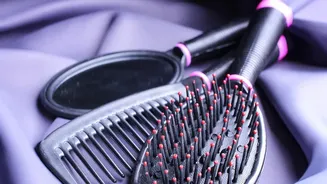
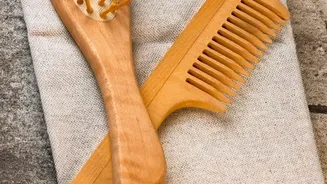
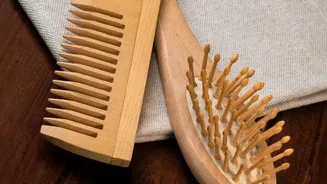
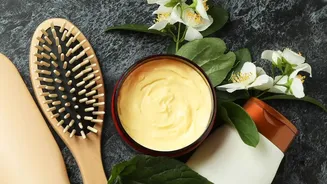
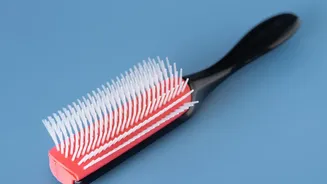
Not all brushes and combs are created equal. For long hair prone to tangles, your choice of tool is critical. A wide-tooth comb is an excellent starting point, especially for use on wet hair. Its teeth glide through knots with less friction than fine-toothed alternatives. For brushing, look for tools with flexible bristles, like a Tangle Teezer or a Wet Brush, which are designed to bend around knots rather than yanking through them. Using the correct tool for your hair type is essential to preserving its health and texture.
Add Slip: Your Secret Weapon
Never try to detangle dry hair without some form of product. Hair needs 'slip'—a term stylists use for a silky, lubricated surface that allows strands to slide past each other instead of catching. A good detangling spray, leave-in conditioner, or a small amount of hair oil provides this necessary slip. When you detangle in the shower, applying a generous amount of conditioner and combing through before rinsing can work wonders. The conditioner softens the hair, making knots melt away more easily.
Wet vs. Dry Detangling
There's a debate on whether to detangle hair when it's wet or dry, and the answer depends on your hair type. Hair is most fragile when it's soaking wet because it becomes more elastic and prone to stretching and snapping. For this reason, those with straight or fine hair may find it better to wait until the hair is about 70% dry. However, for those with very curly or coily textures, detangling while wet and saturated with conditioner is often the safest and most effective method to avoid breakage and preserve the curl pattern. Regardless of when you do it, be extra gentle.
Patience and Sectioning Are Key
Rushing through the process is a recipe for damage. If you hit a stubborn knot, do not use force. Stop, and try to gently loosen the tangle with your fingers first. To make the task less overwhelming, divide your hair into four or more manageable sections using clips. Detangle one section completely before moving to the next. This controlled approach ensures you are thorough and reduces the tension on your scalp and hair roots. Holding the hair just above the knot you are working on can also help minimize pulling at the root.
Prevention Is Better Than Cure
Once your hair is tangle-free, you can take steps to keep it that way. Dryness is a major cause of tangles, so keeping hair moisturized with regular masks or leave-in treatments is vital. At night, friction from your pillowcase can cause knots. Protect your hair by sleeping in a loose braid or bun, or by switching to a silk or satin pillowcase. Regular trims are also important, as split ends are notorious for causing snags and tangles. Finally, be mindful of friction from things like bag straps or high-collared jackets during the day.