


The Silent Threat to Your Foundation
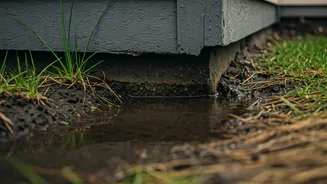
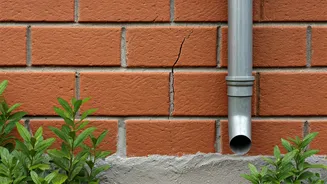
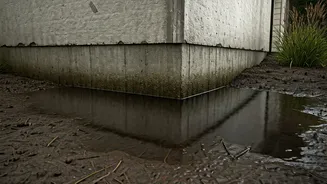
The biggest danger of water pooling is the threat to your home's foundation. Soil expands when wet and shrinks as it dries. This cycle puts immense pressure on foundation walls, leading to cracks and shifts. What starts as a hairline fracture can grow,
allowing water to seep into your basement or lower levels, causing further damage. In severe cases, this can compromise the structural integrity of your entire home, leading to repairs that cost lakhs. Checking for waterlogged soil near your walls is the first step in preventing this slow-motion disaster.
An Open Invitation for Dangerous Pests
Standing water is a perfect breeding ground for mosquitoes. In India, where dengue, chikungunya, and malaria are serious health concerns, even a capful of water can become a problem. A single mosquito can lay hundreds of eggs in a tiny amount of stagnant water, bringing disease right to your doorstep. Beyond mosquitoes, damp soil attracts other destructive pests. Termites, which thrive in moist environments, can cause devastating damage to wooden structures. Cockroaches and rodents are also drawn to damp areas. Keeping your home’s perimeter dry is a critical part of household pest control.
The Menace of Mould and Damp
Where there is persistent moisture, mould will follow. Water collecting against your exterior walls can seep through porous materials like brick and concrete, causing dampness inside. This creates the ideal environment for mould and mildew to grow on interior walls and behind furniture. Not only does this cause unsightly stains and a musty odour, but it can also be a significant health hazard. Mould spores can trigger allergies, asthma attacks, and other respiratory problems, especially in children and the elderly. If you notice peeling paint or a damp smell, the source could be outside.
Where Is the Water Coming From?
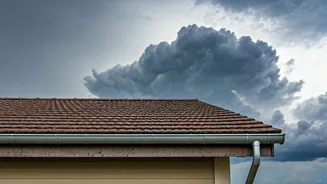
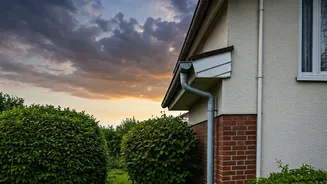
Before you can fix the problem, identify the source. The culprits are often simple. - **Clogged Gutters:** When full of leaves, gutters overflow and dump water right next to your foundation. - **Improper Grading:** The ground should slope away from your house. If it’s flat or slopes inward, water will pool against the walls. - **Short Downspouts:** These deposit all the roof's rainwater in the worst possible spot. Extensions are needed to carry it several feet away. - **Leaking Pipes:** A slow leak from an outdoor tap or underground plumbing can saturate the soil. Regularly inspecting these areas is key.
Simple Fixes vs. Calling a Pro
Many issues are easy to fix. Start by cleaning your gutters and downspouts. Look for low spots in your yard near the house; adding soil to create a gentle slope away from the foundation (regrading) can solve the problem. If you suspect a hidden leak, turn off all taps and check your water meter. If it’s still running, call a plumber. For large-scale grading issues, persistent foundation dampness, or cracks appearing in your walls, don’t hesitate to consult a civil contractor or a structural engineer. Knowing when to DIY and when to call for expert help is crucial.