

Why Core Zones Close During Monsoon
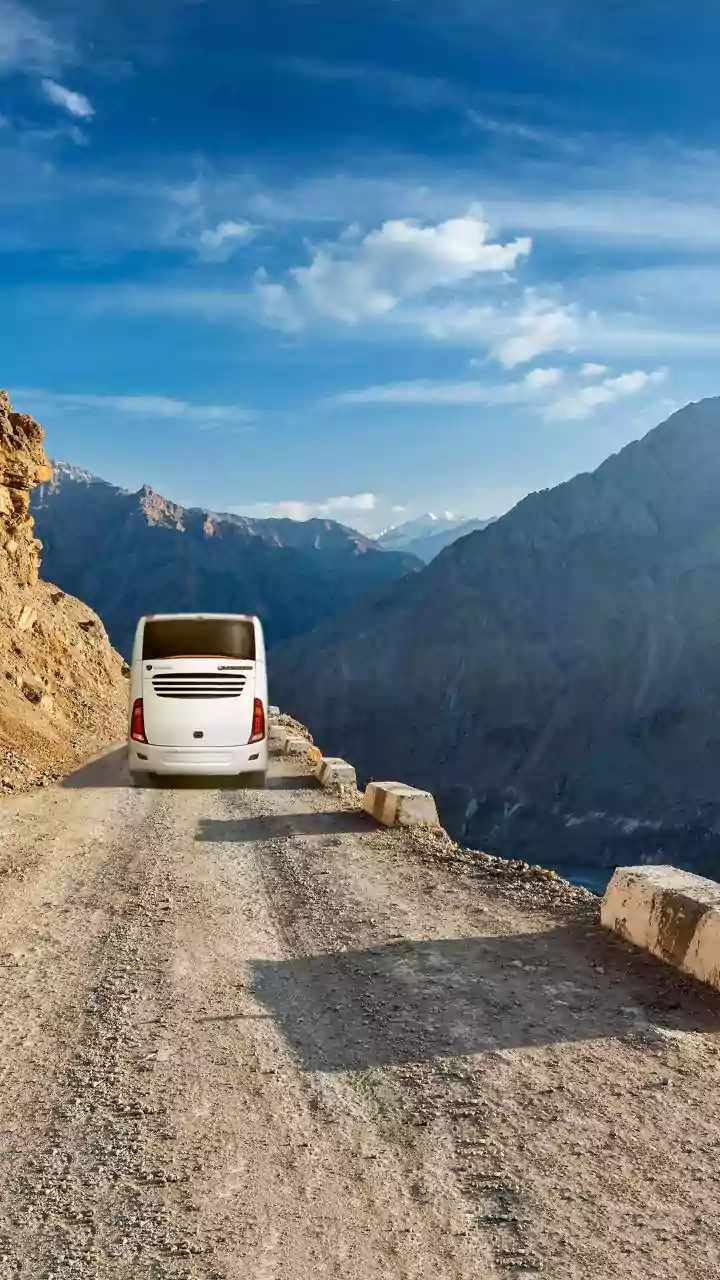
The primary reason for closing the core areas of most tiger reserves and national parks from roughly July to September is twofold: safety and conservation. The monsoon rains can render the unpaved tracks inside the dense forest slushy and unsafe for safari
vehicles. More importantly, this period is a crucial breeding season for many species, including tigers. Closing the core zones provides the animals with an undisturbed environment to mate and raise their young, while also allowing the forest ecosystem to regenerate without human interference.
The Buffer Zone Advantage
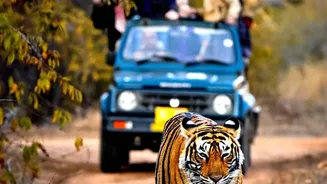
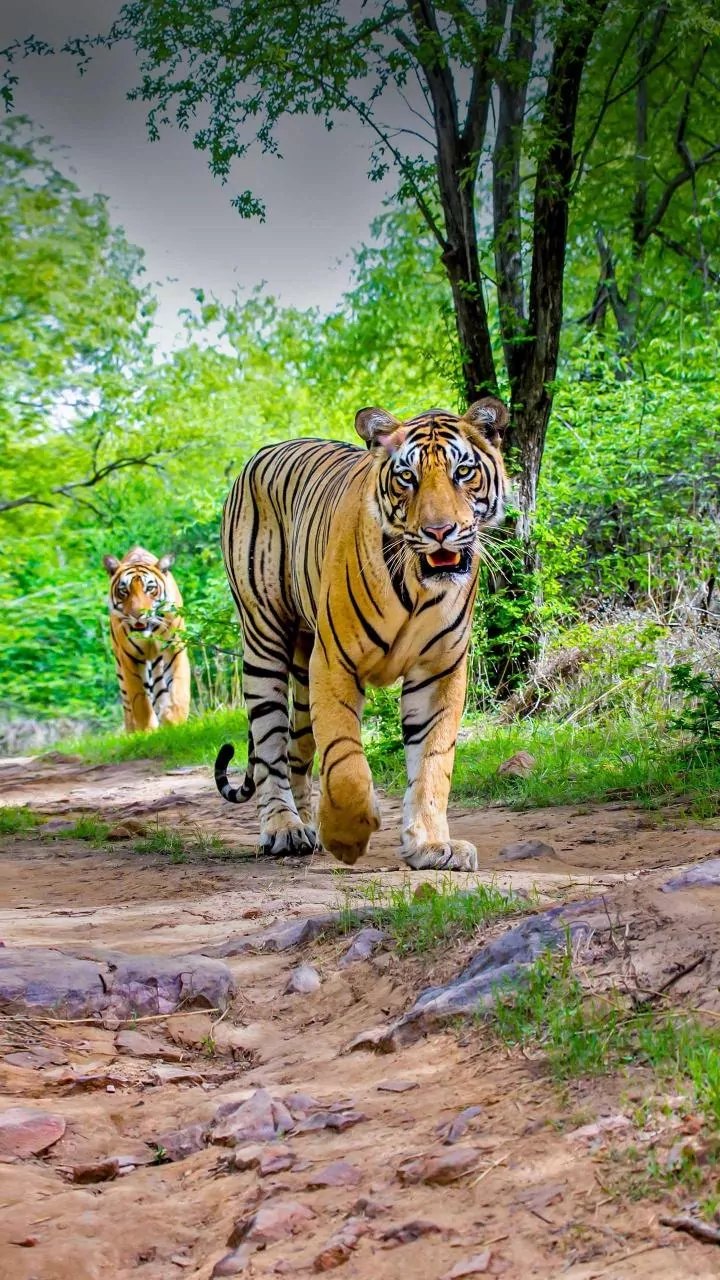
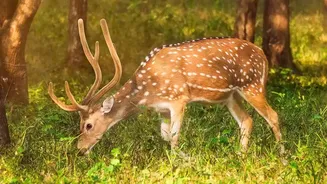
While the highly protected core areas rest, the adventure continues in the buffer zones. These are the areas surrounding the core forest that are also rich in biodiversity but allow for limited human activity. Many national parks keep specific safari gates leading to these buffer zones open for tourism throughout the monsoon. Wildlife, including tigers, leopards, and deer, freely move between the core and buffer areas. Some animals even move into the buffer zones to find drier ground, potentially increasing sighting opportunities for visitors.
Spotlight on Partial Openings
Several of India’s most popular national parks exemplify this policy of partial closures. At Jim Corbett National Park, for instance, while core zones like Dhikala close, safari zones such as Jhirna, Dhela, and Garjia typically remain open for jeep safaris. Similarly, Ranthambore National Park in Rajasthan closes its popular core zones 1-5, but keeps zones 6-10 accessible to tourists. In Central India, parks like Tadoba, Bandhavgarh, and Kanha also offer safaris in their designated buffer zones, allowing wildlife enthusiasts to experience the jungle even during the rains.
What to Expect from a Monsoon Safari
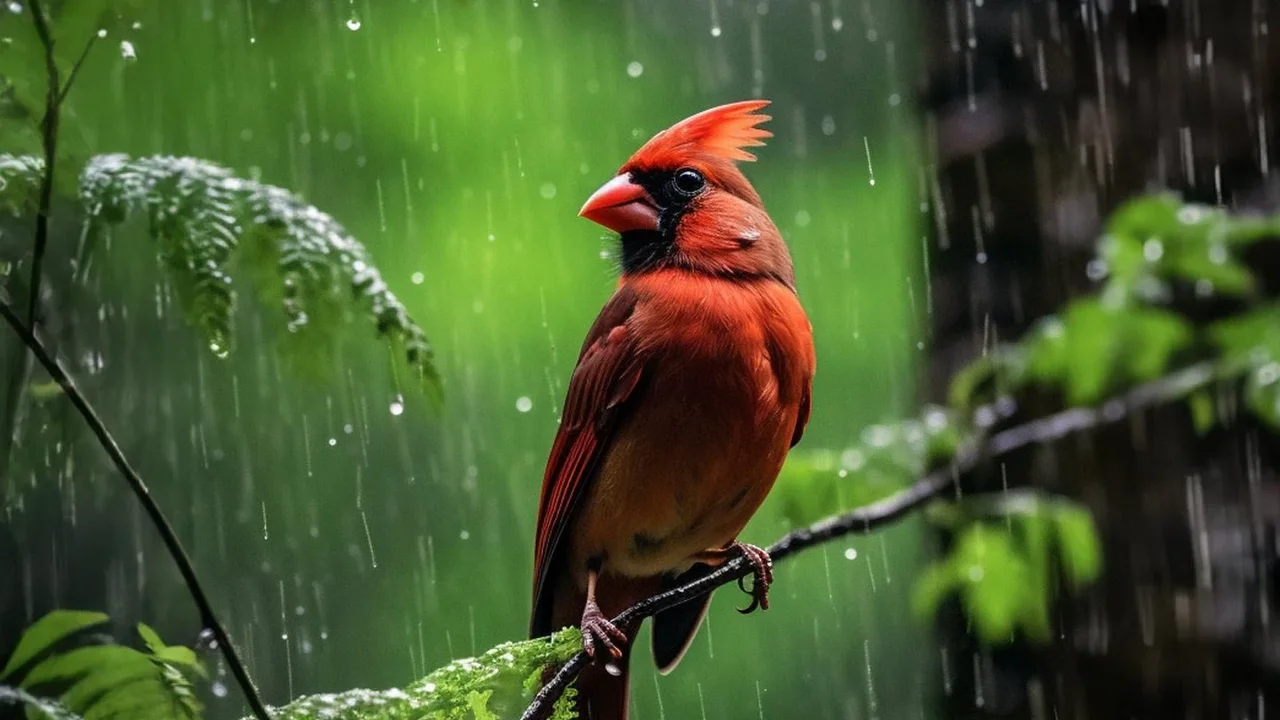
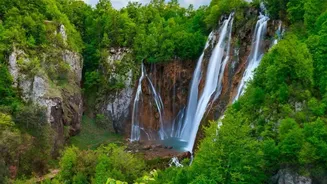
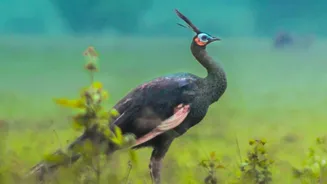
A monsoon safari is a completely different experience from a trip during the dry season. The entire landscape is transformed into a lush, vibrant green paradise, and the air is fresh and free of dust. With fewer tourists, the experience is more peaceful and intimate. While the dense foliage can sometimes make spotting animals like tigers more challenging, the cooler weather means animals may be active for longer parts of the day. It's an excellent time for birdwatching, as many species are particularly active, and the scenery itself becomes a major attraction for photographers.
Planning Your Monsoon Wildlife Trip
If you're planning a wildlife trip during the monsoon, the most important step is to check the official website of the specific national park for the most current information on open zones and safari timings. Bookings for these buffer zone safaris can often be made online in advance. Remember that safaris can sometimes be cancelled at short notice due to heavy rain or impassable roads, so it's wise to have some flexibility in your itinerary. Pack lightweight, quick-drying clothes and a reliable raincoat. Waterproof footwear is essential for navigating potentially muddy terrain. With the right planning, a monsoon safari can be an unforgettable adventure.