



Understanding the Monsoon’s Fury
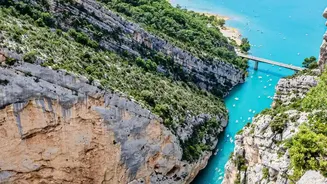
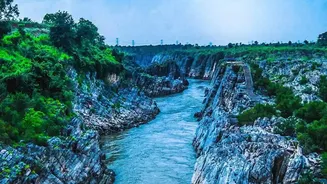
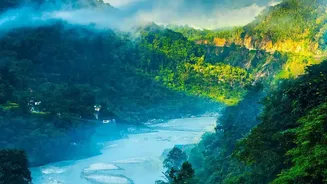
Meghalaya, home to some of the wettest places on Earth, sees its rivers swell dramatically during the monsoon. This isn't a gentle rise; it's often a rapid, forceful surge. The region's unique geography of steep gorges and limestone cave systems contributes
to sudden flash floods that can catch even experienced adventurers off guard. Heavy rainfall can turn a calm stream into a raging torrent in minutes, making riverbeds and nearby trails exceptionally dangerous. The force of the water can change landscapes, wash away paths, and create powerful undercurrents where none existed before. This is why local knowledge and constant vigilance are paramount; the river you see in the morning may be completely different by the afternoon.
Preparation Begins Before You Leave
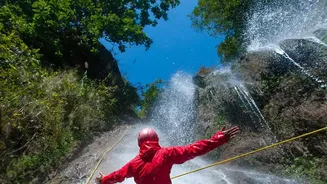
Your safety journey starts at home. First, conduct thorough research. Look for certified tour operators with a proven track record of safety in Meghalaya. Check weather forecasts relentlessly before and during your trip, as conditions change rapidly. Be realistic about your physical fitness and swimming ability. River activities like kayaking and canyoning in monsoon conditions are physically demanding. Always inform a reliable contact—someone not on the trip with you—of your detailed itinerary, including the specific river, the name of your operator, and your expected return time. This simple step is a critical safety net in case of an emergency.
The Non-Negotiable Guide Rule
Never venture into or near Meghalaya’s monsoon rivers alone. Hiring a certified, local guide is the single most important safety decision you can make. Local guides possess invaluable, life-saving knowledge of the terrain, weather patterns, and river behaviour. They can identify risks that are invisible to an untrained eye, from submerged rocks and dangerous currents to signs of an impending flash flood. When vetting a guide or company, ask about their safety protocols, guide-to-client ratios, and emergency response plans. A professional operator will welcome these questions and provide clear answers. They ensure that all equipment, especially life jackets and helmets, is well-maintained and properly fitted.
Essential Gear and What to Wear
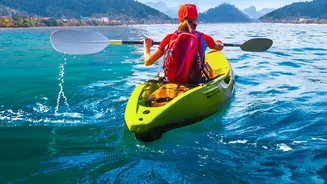
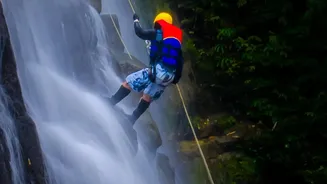
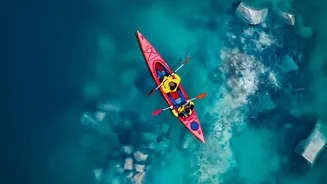
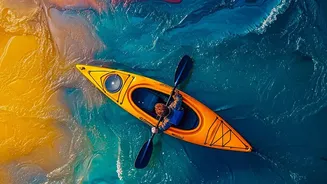
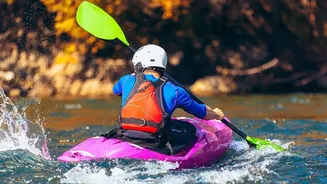
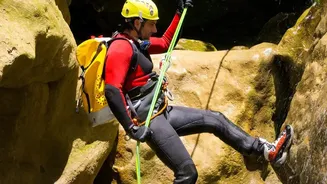
Wearing the right gear can make the difference between a thrilling adventure and a life-threatening situation. A properly fitting Personal Flotation Device (PFD), or life jacket, is mandatory and must be worn at all times on the water. A helmet is also crucial for protection during any river activity. Opt for sturdy footwear with excellent grip, as riverbanks and rocks are notoriously slippery. Choose quick-drying synthetic clothing over cotton, which stays wet, gets heavy, and can lead to hypothermia. Pack essentials in a waterproof dry bag. Also, carry a basic first-aid kit, a power bank for your phone, and any personal medications.
On-Water Awareness and Smart Decisions
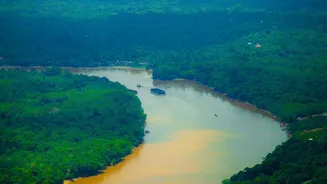
Once on the river, your guide's instructions are law. Pay close attention during the safety briefing and learn the hand signals used for communication over the roar of the water. Never underestimate the power of the current, even if you are a strong swimmer. Be aware of river-specific hazards like “strainers” (fallen trees that water flows through but a person cannot) and strong hydraulics. It is also important to manage expectations. Heavy rains can make the famously clear waters of the Umngot River muddy and brown, and some trekking routes to waterfalls or root bridges may be temporarily closed for safety. Being flexible and prioritising safety over a specific photo opportunity is key.