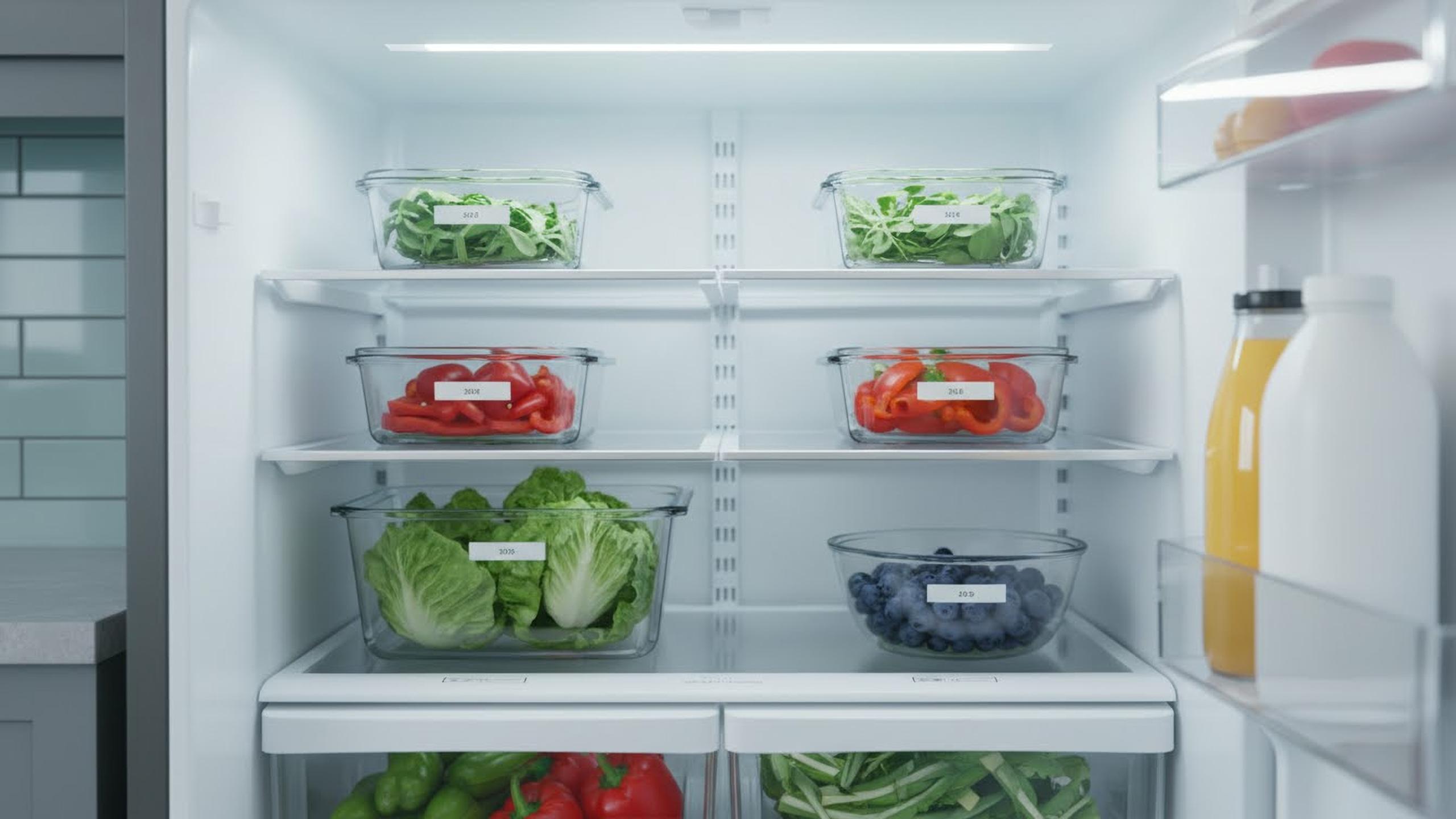







Establish Clear Zones
The first step to fridge harmony is dividing the space equitably. Depending on the number of people, this could mean assigning one shelf per person. For smaller fridges or more roommates, using labeled bins or dividing each shelf down the middle with
tape can work just as well. This ensures everyone has their own space and reduces the chances of items getting lost or accidentally taken. The crisper drawers can also be assigned, or if there are more people than drawers, they can be designated for specific items like fruits or vegetables for everyone. This simple act of creating physical boundaries makes it easier to keep track of your own groceries and respect others' space.
Label Everything, No Exceptions
A marker and some masking tape are your best friends in a communal kitchen. Every item that isn't explicitly for sharing should be labeled with a name. For prepared meals or leftovers, adding the date it was made is crucial. This simple habit serves two purposes: it prevents accidental theft of your lunch and it makes it clear when food is past its prime. In a busy office or home, nobody can remember when they bought that yogurt or cooked that pasta. A date label removes the guesswork and helps with regular clean-outs, preventing the fridge from becoming a science experiment.
Set a Firm Leftover Policy
Leftovers are a primary source of fridge clutter and unpleasant odors. A common and effective rule is the 48-hour or 72-hour policy. Any uneaten leftovers after this period are fair game to be tossed out, no questions asked. A more formal approach, often used in office settings, is to have a designated weekly clean-out day. An announcement can be made that anything unlabeled or expired will be discarded at a specific time, giving everyone a final chance to claim their items. This rule needs to be agreed upon by everyone and applied consistently to be effective. It keeps the fridge from getting overcrowded and ensures food safety.
Designate a Communal Area
Not everything needs to be strictly divided. Designating a specific area, like the fridge door or a particular shelf, for communal items can be very useful. This is the perfect spot for shared staples like milk, butter, condiments, or a water filter pitcher. This strategy prevents the fridge from being cluttered with multiple half-empty ketchup bottles or cartons of milk. It's important to have a conversation upfront about what goes into the communal zone and how those items will be replenished. Some households or offices choose to chip in for these shared items, while others rely on a take-one-leave-one system.
Create a Cleaning Schedule
Spills and grime are inevitable, but they don't have to become a source of conflict. A rotating cleaning schedule ensures that the burden of maintaining a sanitary fridge is shared equally. This can be a weekly wipe-down of one's own shelf and a monthly deep clean that rotates among users. The rule should be simple: if you make a mess, you clean it up immediately. But for the general upkeep, having a formal rota posted on the fridge itself keeps everyone accountable. A clean fridge is not just more pleasant to use; it's also crucial for preventing bacterial growth and food contamination.
Agree on Consequences
Rules are only effective if they are followed. While it may seem overly formal, having a gentle but firm set of consequences for breaking the fridge agreement can prevent repeat offenses. This doesn't need to be punitive. For example, a common policy is that any unlabeled food or items left past the agreed-upon expiration date will be thrown out during the weekly clean-up. The key is that the rules are clear, communicated to everyone, and applied consistently. The goal isn't to punish but to create a system that is self-policing and maintains a clean, functional, and respectful shared space for everyone.