


The New-Age Aesthetic
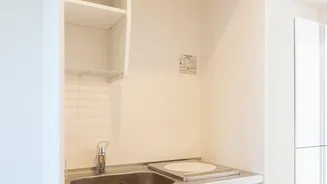
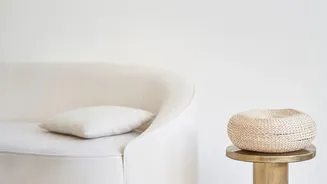
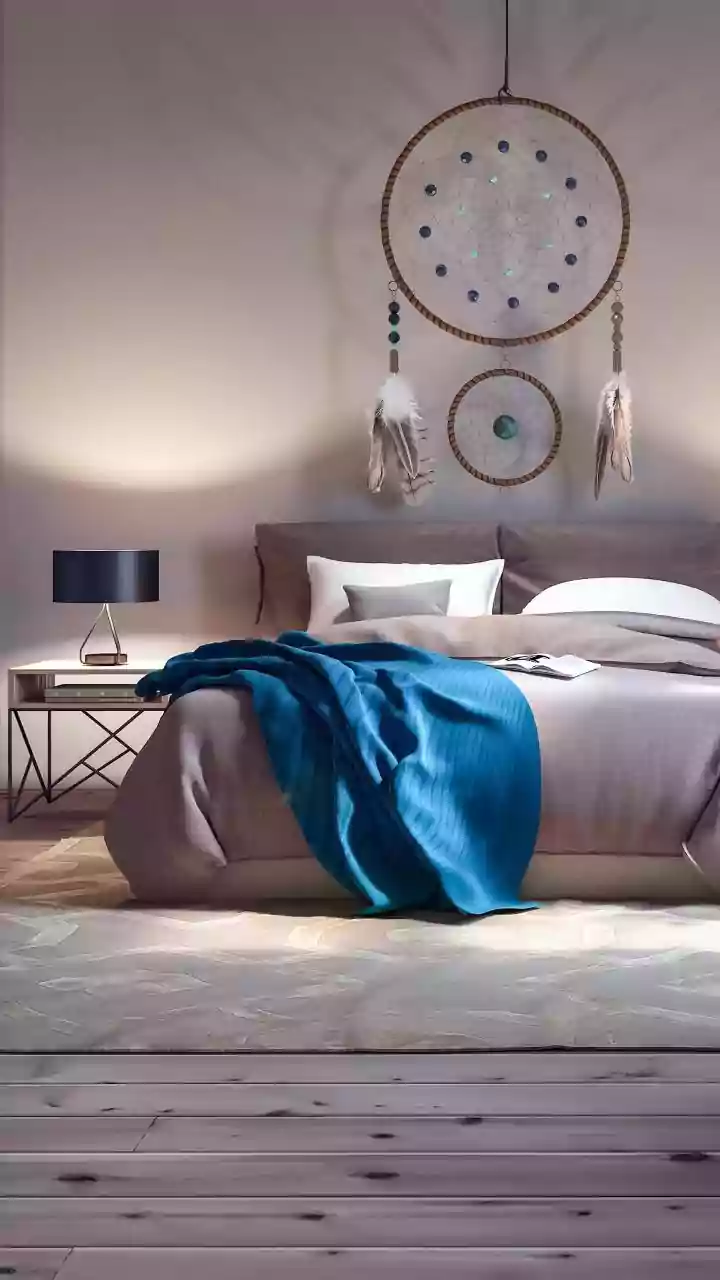
Walk into the home of a young Indian renter today, and you might find a space that feels both modern and ancient. The dominant aesthetic is often a form of 'warm minimalism'—a style that prioritises clean layouts and uncluttered surfaces, creating a sense
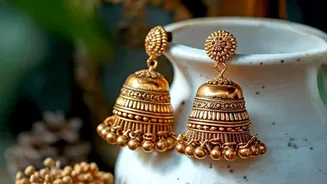
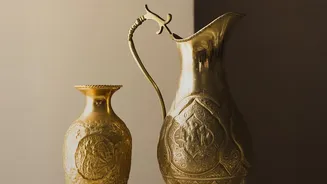
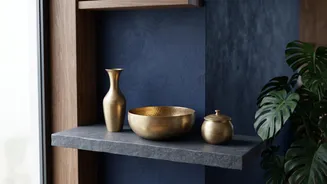
of calm and breathing room in often-compact urban apartments. But unlike the sterile minimalism of the past, this look is layered with personality and warmth. Against a backdrop of neutral walls and simple furniture, a single, beautifully crafted brass piece—a gleaming urli filled with water, a sculptural lamp, or a set of handcrafted tableware—becomes a powerful focal point. This isn't about creating a showroom; it's about crafting an emotional sanctuary.
A Stand Against Fast Furniture
This evolving trend is a direct reaction to the culture of mass-produced, disposable decor. For a generation deeply conscious of sustainability, choosing items that are built to last is a core value. Brass, an alloy of copper and zinc, is durable, timeless, and can be passed down through generations, making it an inherently eco-friendly choice. This shift represents a redefinition of luxury, where value is found not in flawless, brand-new items, but in uniqueness, authenticity, and emotional connection. Each handcrafted brass object carries the story of its making, a narrative of artisanal skill that stands in stark contrast to the anonymity of factory production. It’s about choosing fewer, better things that bring meaning into a space.
Connecting with Cultural Roots
For many young Indians, brass is not just a metal; it’s a memory. It evokes the soft gleam of diyas during festivals, the comforting presence of utensils in a grandparent’s kitchen, and the sounds of temple bells. By bringing these objects into their modern, minimalist homes, Gen Z is reinterpreting a centuries-old legacy within a contemporary framework. This isn’t about nostalgia for its own sake. Instead, it is a confident act of cultural fusion—demonstrating that traditional crafts can coexist beautifully with modern design. It’s a way to feel connected to one’s heritage and identity, even while living a fast-paced, urban life far from ancestral homes.
The Perfect Choice for Renters
The transient nature of renting makes this trend particularly practical. When you can’t make permanent changes like painting walls or replacing fixtures, high-impact, portable decor is key. Brassware fits this need perfectly. A statement brass planter can transform a generic balcony, a set of elegant brass stirrers elevates a simple coffee table, and a vintage lamp adds character without requiring any installation. These pieces are investments that move with the renter from one home to the next, adding a sense of permanence and personality to what can often be impersonal spaces. This allows for self-expression without the risk of losing a security deposit.
How to Get the Look
Achieving this balance is about intentionality, not accumulation. The key is to start with a neutral, minimalist base to serve as a clean canvas. Against this backdrop, introduce one or two statement brass pieces. This could be a hand-hammered serving bowl on a dining table, a pair of Dhokra figurines on a bookshelf, or a traditional brass water pot (lota) used as a vase. The trick is to allow each piece to have its own space to shine, preventing the room from feeling cluttered. The warm, golden tone of the metal will naturally soften the hard lines of a minimalist interior, creating a space that feels curated, personal, and rich with stories.