



Understanding the GRAP Framework
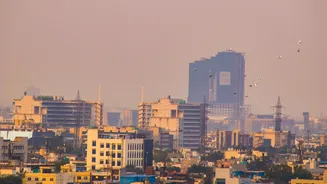
Every year, as pollution levels rise, the Commission for Air Quality Management (CAQM) implements the Graded Response Action Plan (GRAP). This is a set of emergency measures that become progressively stricter as the air quality worsens. The plan is divided
into four stages, triggered by specific Air Quality Index (AQI) thresholds. Stage I is enacted when the AQI is 'Poor' (201-300), Stage II for 'Very Poor' (301-400), Stage III for 'Severe' (401-450), and Stage IV for 'Severe+' (above 450). While lower stages focus on dust control and waste burning, the higher, more severe stages bring significant restrictions on vehicular traffic, which is a major contributor to the region's pollution.
Which Commercial Vehicles Are Banned?
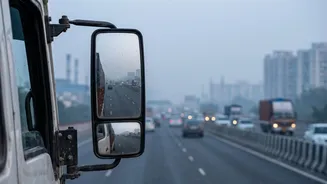
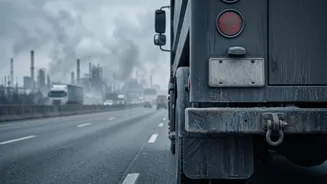
The primary targets of these regulations are older, more polluting commercial vehicles. Under the latest rules, the restrictions are based on Bharat Stage (BS) emission standards rather than just age. As of late 2026, even under Stage I, there is a strict enforcement of rules against visibly polluting and overage vehicles (diesel over 10 years, petrol over 15). However, the real impact hits interstate transport when higher GRAP stages are invoked. Under Stage III, there are restrictions on the entry of diesel-powered BS-IV light and medium commercial vehicles registered outside Delhi. When the situation escalates to Stage IV, a wider ban is imposed on trucks entering Delhi, with exemptions only for those carrying essential commodities and those that are CNG, electric, or BS-VI compliant. Furthermore, a separate, year-round CAQM direction is set to bar all commercial BS-IV diesel goods vehicles from entering Delhi starting from November 1, 2026, ending a one-year transitional window.
The Bypass Mandate: Longer, Costlier Journeys
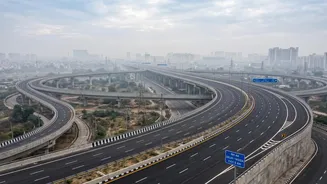
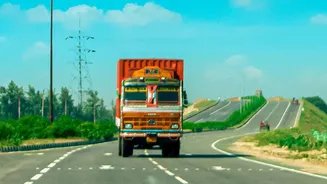
For trucks not destined for Delhi, the rules are clear: they must bypass the city entirely. Authorities have been directed to strictly enforce Supreme Court orders to divert non-destined truck traffic onto the Eastern and Western Peripheral Expressways. While these expressways were built precisely for this purpose, forcing traffic onto them during high-pollution periods creates a new set of problems. For transport operators, this means longer journeys. A truck coming from Uttar Pradesh and heading to Rajasthan, for example, might have to travel an extra 40-50 kilometres to circumvent the capital. This diversion directly translates into increased operational costs due to higher fuel consumption, additional toll charges, and longer transit times for drivers.
The Ripple Effect on Supply Chains
These regulations don't just affect trucking companies; they have a cascading impact on the entire supply chain. The ban on medium and heavy goods vehicles, even with exemptions for essentials, disrupts the flow of countless other goods, from raw materials for factories to finished products for retailers. Transport associations have frequently protested these measures, arguing they create immense financial strain and logistical chaos. The increased cost of transportation is often passed down the line, potentially leading to higher prices for consumers. A truck that is turned away at the border or forced onto a longer route represents a significant delay and added expense, disrupting schedules and affecting businesses that rely on just-in-time inventory.
Enforcement and the Road Ahead
Enforcement is strict, with traffic police setting up barricades at key entry points like the Chilla, DND, and Kalindi Kunj borders to check vehicles. Drivers of non-compliant vehicles face hefty fines, with penalties reaching as high as ₹20,000, and their vehicles can be impounded. While these annual restrictions are a necessary, if painful, emergency measure to protect public health, they also highlight the urgent need for a more sustainable long-term solution. The recurring cycle of bans underscores the importance of accelerating the nationwide transition to cleaner BS-VI vehicles, expanding the infrastructure for electric and CNG transport, and developing a more robust logistics network that is less reliant on passing through the congested NCR.