



What Exactly Is a Self-Watering Planter?
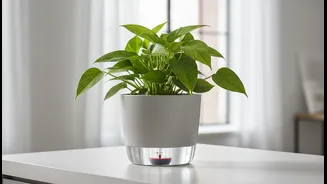
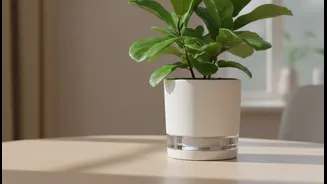
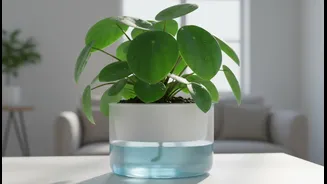
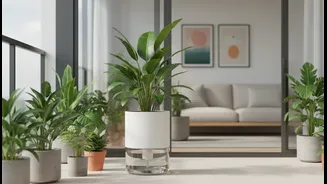
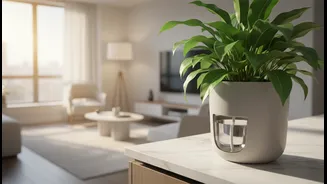
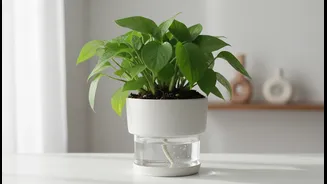
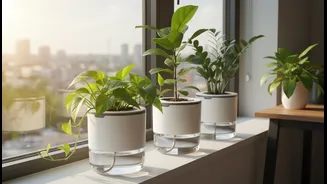
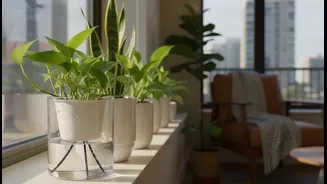
Despite the name, these planters don't magically turn on a tap. Instead, they use a clever system called sub-irrigation. A typical self-watering planter consists of two main parts: a growing bed for the soil and the plant, and a water reservoir below
it. The two sections are connected by a wicking system, often a simple cord or a section of the soil itself that dips into the water. This setup allows the plant to draw water from the reservoir as needed, essentially letting it decide when it's thirsty. You just have to keep the reservoir topped up.
The Science Behind the Sip
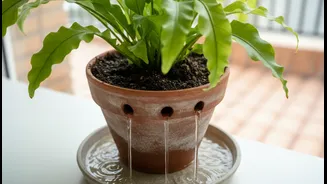
The process that powers these planters is capillary action. It's the same natural force that allows a paper towel to soak up a spill. Water molecules are drawn up from the reservoir, through the wick, and into the soil. The plant's roots then absorb this moisture. This creates a consistently moist environment, avoiding the cycle of bone-dry soil followed by a drenching, which can stress plants. By delivering water directly to the roots, it prevents the two biggest mistakes in container gardening: overwatering and underwatering.
The Upside for Urban Gardeners
For anyone living in an apartment, the benefits are significant. Firstly, they save a huge amount of time and worry. Instead of daily watering, you might only need to fill the reservoir once a week or even less, depending on the plant and weather. This is a game-changer for frequent travellers or those with hectic schedules. They also conserve water, as less is lost to evaporation compared to top-watering. Most importantly, by providing consistent moisture, they help prevent root rot from overwatering and promote healthier, stronger plants.
Are There Any Downsides?
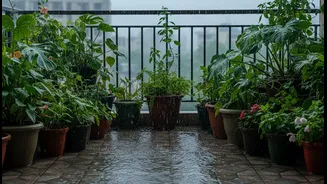
While impressive, self-watering planters aren't a perfect fit for every plant or situation. Their primary drawback is that they are not suitable for plants that need their soil to dry out completely between waterings. This makes them a poor choice for most succulents and cacti. In very humid or rainy environments, there's a risk of the soil becoming too waterlogged if the planter is left outdoors. Finally, they can have a higher upfront cost than traditional pots, although this can be offset by saving money on replacement plants and water in the long run.
Best Plants for Your New Pot
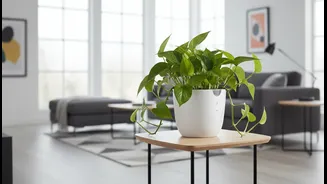
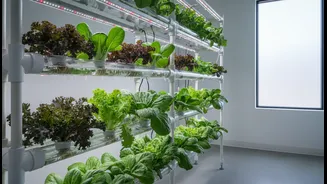
The best candidates for self-watering planters are plants that love consistent moisture. Think of many popular Indian household plants. Herbs like Tulsi (Holy Basil), mint, and parsley thrive with a steady water supply. Many common houseplants are also excellent choices, including Peace Lilies, Spider Plants, Pothos, and various ferns. These plants often show their displeasure quickly when they dry out, and a self-watering system keeps them looking lush and vibrant with minimal fuss. Vegetables like tomatoes and lettuce also perform exceptionally well, as consistent water prevents issues like blossom end rot.
Getting Started on a Budget
You don't need to spend a lot to try this method. Self-watering planters are increasingly available online and in garden centres across India, with options at various price points. However, for the DIY-inclined, it's surprisingly easy to make your own. With a few common items like a plastic storage bin, a smaller basket, and a piece of PVC pipe, you can create a functional self-watering system for your balcony. This allows you to experiment with sub-irrigation and see the benefits for yourself before investing in more expensive decorative pots.