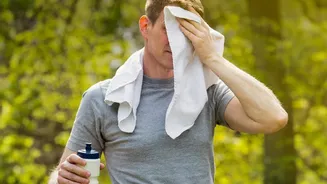






You’ve just finished a fantastic outdoor run or workout session. You’re feeling accomplished, energised, and ready to relax. But the moments right after you stop are more critical than you might think, and it’s not just about stretching.
Beyond the Stretch: The Science of Cooling Down
For many, the
cool-down is an afterthought—a few quick stretches before hitting the shower. While stretching is important, the true purpose of a cool-down is to allow your body to transition gradually from a state of high exertion back to rest. During exercise, your heart rate is elevated, your body temperature is high, and your blood vessels are widened to supply muscles with oxygen. Stopping abruptly can cause a rapid drop in blood pressure and heart rate, which can lead to dizziness or even fainting. This is because the blood that was being forcefully pumped to your muscles can pool in your lower extremities when the intense movement stops. A gradual cool-down, like a slow walk, helps keep blood circulating properly, allowing your system to return to its resting state safely.
The Hidden Risk: When Your Body Gets Too Cold, Too Fast
When you exercise, your body generates a massive amount of heat. In fact, about 70-80% of the energy produced during exercise is released as heat. Your primary cooling mechanism is sweating. But once you stop moving, especially outdoors, a new challenge arises. Your sweat-drenched clothes and skin are now exposed to the air, and you begin to lose heat rapidly. This can lead to a phenomenon known as 'after-drop', where your core body temperature continues to fall even after you've stopped exercising. This happens because the cold blood from your skin and limbs starts to circulate back towards your warmer core, lowering its overall temperature. This rapid cooling can lead to shivering, muscle stiffness, and cramps, and may even place your immune system under temporary stress, making you more susceptible to illness.
What is Thermal Protection and Why Does It Matter?
This is where thermal protection comes in. It’s not about staying hot and sweaty, but about managing the rate at which your body cools down. The goal is to prevent a sudden temperature shock. By adding a light layer of clothing, you trap a thin layer of warm air next to your skin. This acts as a buffer against the cooler outside air, allowing your body temperature to decrease gradually and naturally. Think of it as giving your internal thermostat a chance to recalibrate slowly, rather than forcing it into an emergency response. This simple step helps keep muscles pliable, reduces the risk of post-workout stiffness, and supports a more effective recovery process. Without it, your warm, fatigued muscles are vulnerable to the cold, which can hinder repair and flexibility gains.
Practical Tips for a Protected Cool-Down
Integrating thermal protection into your routine is simple and highly effective. The key is to be prepared. Before you head out for your workout, think about what you’ll need for the five to ten minutes immediately after.
First, have an extra layer ready. A lightweight windcheater, a thin fleece, or a simple tracksuit jacket is perfect. The material should be breathable to avoid trapping too much moisture. As soon as you finish the intense part of your workout, put this layer on before you begin your coolndown walk and stretches.
Second, consider changing out of a sweatsoaked T shirt if possible. A wet base layer will accelerate heat loss dramatically. Swapping it for a dry top can make a huge difference, especially in breezy or cooler conditions. In India, where weather can range from humid coasts to chilly northern winters, this step is particularly important.
Finally, choose a sheltered spot for your postworkout stretches. Moving out of direct wind will further help you manage your body's temperature transition. Pairing these steps with proper hydration and light stretches for major muscle groups will ensure your body gets the full benefits of your hard work.