






A Shift in Traveller Priorities
The modern traveller is changing. Burnt out by digital fatigue and hectic lifestyles, many are no longer content with just sightseeing. Instead, they are seeking restorative journeys that focus on physical health, mental peace, and spiritual connection.
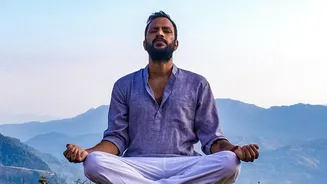
This global shift has catalysed the rise of wellness tourism, a sector where India holds a unique and powerful advantage. Unlike conventional tourism, which often involves a packed itinerary, wellness travel is centred on activities like yoga, meditation, Ayurvedic treatments, and simply reconnecting with nature. It represents a move from seeing places to feeling better within them.
India’s Ancient Roots in Modern Wellness
Wellness is not a new concept for India; it is an ancient heritage. The country is the birthplace of global practices like yoga, meditation, and Ayurveda, a 5,000-year-old system of natural healing. This deep-rooted expertise gives India an authenticity that few other destinations can replicate. Destinations like Rishikesh in Uttarakhand have long been hailed as the world’s yoga capital, while the lush landscapes of Kerala are synonymous with traditional Ayurvedic healing. This ancient wisdom is now being packaged into modern, accessible formats, from luxury Himalayan retreats like Ananda to clinical Ayurvedic hospitals like Kalari Kovilakom in Kerala.
The New Wellness Itinerary
So, what does a wellness trip in India look like? It can be a week-long Panchakarma detox in Kerala, a rigorous yoga teacher training course in Rishikesh, or a silent Vipassana meditation retreat to calm the mind. A growing trend is the 'digital detox', where travellers check into resorts that encourage disconnecting from devices to combat screen-induced stress. These experiences are no longer niche; they are becoming mainstream. The Indian wellness tourism market was valued at nearly USD 31 billion in 2026 and is projected to grow significantly, reflecting how travellers now plan entire trips around wellness rather than adding it as an afterthought.
Economic Rejuvenation and Diversification
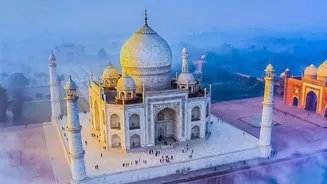
This boom is not just good for travellers; it's transforming local economies. Wellness tourism encourages visitors to stay longer and often spend more, particularly international tourists. It also helps diversify tourism revenue beyond the crowded 'Golden Triangle' of Delhi, Agra, and Jaipur. Government initiatives like the 'Heal in India' campaign and the introduction of a special AYUSH visa for those seeking traditional treatments are further boosting the sector. This has spurred investment in new hotels and infrastructure, not just in established hubs but also in emerging destinations across the country, creating jobs and supporting local communities.
The Future of Travel is Mindful
The pivot towards wellness is more than a fleeting trend; it appears to be a permanent evolution in how we travel. It reflects a deeper, global desire for more meaningful and sustainable experiences. For India, the challenge will be to manage this growth sustainably, ensuring that the authenticity of its ancient practices is preserved and that the benefits are shared equitably. As infrastructure improves and more travellers seek inner balance over outer spectacle, India is perfectly positioned to become the world's premier destination for healing the mind, body, and soul.