





The Virtual Makeup Counter
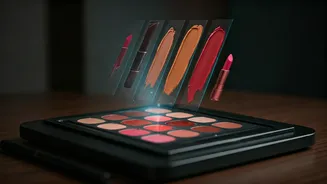
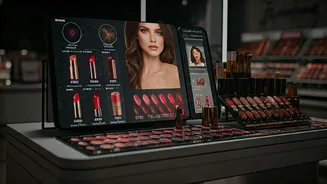
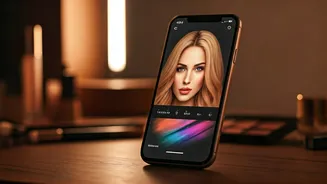
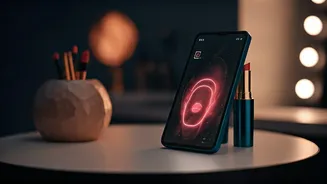
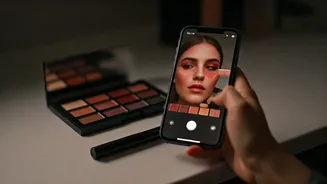
The most visible change in online beauty is the virtual try-on. Using augmented reality (AR), you can now use your phone's camera as a digital mirror to 'wear' products in real-time. Major platforms and brands like L'Oréal, Sephora, and Nykaa have integrated
this technology, allowing you to test hundreds of lipstick shades, eyeshadows, and even false eyelashes without ever touching a physical tester. Powered by sophisticated facial recognition, these tools map your features and realistically superimpose the products, showing you how a bold red lip or a shimmery eyeshadow actually looks on you. This technology has been a game-changer, significantly boosting shopper confidence and reducing the frustrating experience of returns.
Finding Your Perfect Foundation Match
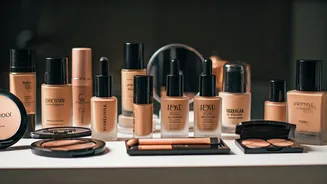
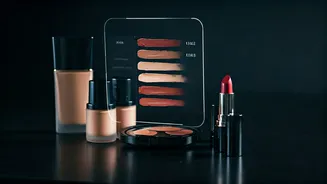
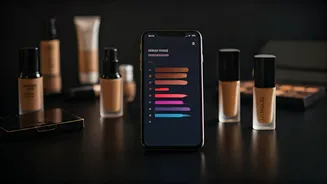
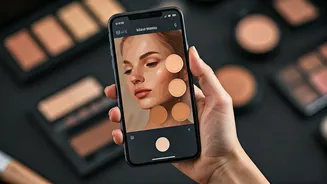
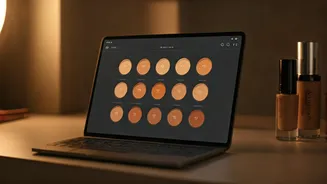
Arguably the biggest challenge of online makeup shopping is finding the perfect foundation shade. AI is tackling this head-on with advanced shade-matching technology. Instead of relying on confusing online swatches, new tools analyse your skin through your phone's camera or a detailed quiz. These AI systems assess not just your skin tone but also your undertones—the subtle cool, warm, or neutral hues beneath the surface—which is critical for a flawless match. Some systems, like the one from Clarins, even use spectroscopy, analysing how light reflects off your skin for near-perfect accuracy. Platforms like Lookfantastic and Inference Beauty offer tools that can recommend your ideal shade across multiple brands, making it easier to switch products with confidence. This removes a massive barrier for consumers, as studies show a majority of shoppers have abandoned a purchase simply because they were unsure which shade to choose.
Recommendations Tailored to You
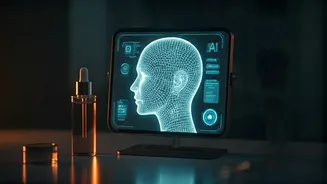
AI's role goes far beyond visual tricks. It's also becoming a highly intelligent personal shopper. Recommendation engines are moving past simple 'customers also bought' suggestions. Today’s AI analyses your browsing history, past purchases, and even your skin concerns to curate product suggestions just for you. For instance, Indian beauty giant Nykaa has launched features like Skin Scan, which uses a selfie to assess skin health across multiple parameters and then recommends a full skincare routine. The company is also integrating AI to power conversational shopping, allowing users to find products through natural language, as if chatting with a knowledgeable assistant. This hyper-personalisation makes discovering new products that suit your specific needs and preferences easier than ever.
The Next Frontier: Hyper-Personalisation
The future of AI in beauty is even more customised. We are moving towards an era of hyper-personalisation, where products can be created on-demand to meet an individual's specific needs. Innovations like L'Oréal's Perso system imagine a device at home that can create a custom lipstick shade or a unique skincare formula for you each day, based on an AI analysis of your skin's condition, the weather, and your personal preferences. This technology bridges the gap between mass-produced products and bespoke beauty solutions, making truly individualised cosmetics more accessible. AI is also being used behind the scenes to predict beauty trends and develop more sustainable product formulations, shaping the products that will be available tomorrow.
Is the Technology Perfect?
While impressive, AI beauty tools aren't flawless. The accuracy of virtual try-ons and shade matchers can be affected by factors like poor lighting, camera quality, and unique skin textures. Some systems acknowledge this by classifying a face into a couple of possible shapes if a clear match isn't found. There is also the matter of data privacy and the potential for algorithmic bias. Furthermore, the human touch remains important; AI can't fully replicate the experience of feeling a product's texture or getting advice from a trusted makeup artist. These tools are best seen as powerful assistants that empower shoppers to make more informed decisions, rather than infallible oracles. They reduce guesswork but work best alongside customer reviews and real-world experience.