

The Danger in Puddles and Stagnant Water
That innocent-looking puddle your dog loves to splash in can be a serious hazard during the monsoon. Waterlogged streets and stagnant pools become breeding grounds for harmful bacteria, most notably Leptospira. This bacterium, spread through the urine
of infected animals like rodents, causes leptospirosis, a severe and potentially fatal disease that attacks a dog's kidneys and liver. Dogs can get infected simply by drinking from or even walking through contaminated water. Symptoms can include fever, vomiting, lethargy, and increased thirst. Since it's also a zoonotic disease, it can spread from pets to humans, making avoidance a priority for the whole family.
Humidity's Toll on Skin and Fur
The high humidity during the Indian monsoon, often exceeding 80%, means your dog's coat may not fully dry between walks. This trapped moisture creates the perfect warm, damp environment for fungal and bacterial skin infections to flourish. Conditions like acute moist dermatitis, or "hot spots," can appear suddenly as red, painful, and oozing patches of skin that spread rapidly. Fungal issues, such as yeast infections, are also common, causing itchy, scaly, and smelly skin, particularly in skin folds and between the toes. Long-haired breeds are especially vulnerable.
A Seasonal Spike in Parasites
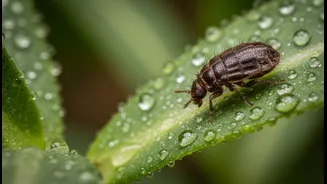
The warm, wet conditions of the monsoon are an ideal breeding ground for external parasites like ticks and fleas. Their populations surge during these months, increasing the risk of infestation every time your dog steps outside. These aren't just a nuisance; ticks can transmit dangerous blood-borne diseases like tick fever (babesiosis and ehrlichiosis), which can be fatal if not treated promptly. Fleas can cause intense itching, allergic reactions, and tapeworm infections. Regular checks and vet-approved preventative treatments are crucial during this high-risk season.
Protecting Paws from the Ground Up
Your dog's paws are on the front line, in direct contact with mud, dirty water, and hidden debris. The constant dampness can soften paw pads, making them more susceptible to cuts and cracks. The fur between the toes traps moisture and debris, creating a hotspot for interdigital infections. Repetitive licking of paws is often an early sign of irritation or a budding infection, not just a habit. Proper paw hygiene is one of the most effective ways to prevent a range of monsoon-related problems.
Simple Habits for Safer Monsoon Walks
Keeping your pet safe doesn't mean skipping walks entirely. A consistent routine can prevent most issues. The single most important habit is to thoroughly dry your dog after every single walk, using a dedicated towel. Pay special attention to paws, the belly, underarms, and ears. A quick paw rinse with lukewarm water after muddy walks is highly recommended. Trim the fur between paw pads to reduce moisture retention. Always avoid letting your dog drink from or wade through deep, stagnant water. Finally, stay up-to-date with vet-recommended vaccinations, particularly for leptospirosis, and maintain a regular flea and tick prevention schedule.