



Start Your Inspection Outside
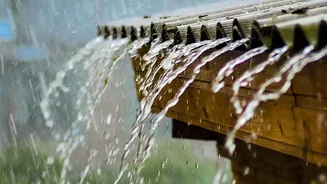
Your first line of defence is your home's exterior. Begin by walking around the property. Look for any pooling water near your foundation, which could indicate poor drainage. Check that gutters and downspouts are clear of debris and are effectively channelling
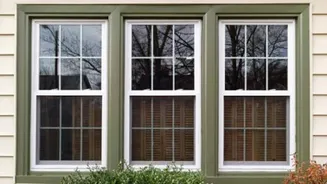
water away from the house. Inspect exterior walls for any new cracks, damp patches, or peeling paint, as even hairline fractures can allow water to seep in. Also, take a look at the seals around your windows and doors to ensure they are intact and not letting moisture through.
Look Up: Check Ceilings and Attics
Inside your home, the most obvious signs of a roof leak appear on the ceiling. Scan your ceilings, especially in the corners and around light fixtures, for any new water stains, which often look like yellowish-brown rings. Other tell-tale signs include sagging or bowed sections of the ceiling, or paint that is bubbling or peeling. If you can safely access your attic, it is a crucial place to check. Look for damp insulation, wet wood, or any visible drips. A musty smell in the attic is also a strong indicator of a hidden moisture problem.
Inspect Your Interior Walls and Windows
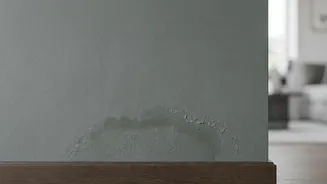
Water doesn't just come from above; it can creep in sideways. Carefully inspect the walls throughout your home. Besides visible stains, look for wallpaper that is peeling or bubbling, as this suggests moisture is trapped behind it. Gently press on any suspicious areas; if the wall feels soft or spongy, it's a likely sign of water damage within the drywall. Pay close attention to the walls and floors around windows. Dampness on the sill or discoloration on the surrounding wall can mean water is getting through cracked caulking or damaged seals.
Don't Overlook Basements and Hidden Spaces
Basements, crawl spaces, and even closets are prime locations for water to collect and damage to hide. In the basement, check for any puddles, damp spots on the walls or floor, or a white, chalky residue on masonry walls, which can be left behind after water evaporates. A persistent musty odour is a major red flag for mold and mildew, which can begin to grow within 24 to 48 hours in a damp environment. Also, inspect closets that are located against exterior walls. These dark, often cluttered spaces can hide leaks for a long time.
What to Do If You Find a Leak
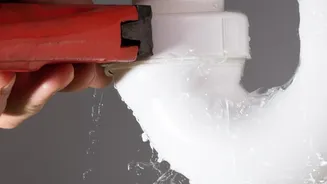
Discovering a leak can be alarming, but acting quickly can minimise the damage. If you find an active leak, the first and most critical step is to shut off the source of the water if possible. For widespread issues or if you're unsure of the source, you may need to turn off your home's main water supply. If water is near any electrical outlets or appliances, turn off the power to that area at the circuit breaker as a safety precaution. Once the immediate danger is controlled, move furniture and other belongings away from the affected area. Use towels or mops to soak up standing water. For drying out the space, use fans and a dehumidifier to circulate air and remove excess moisture, which helps prevent mold growth.
Document and Call for Help
Before you clean up completely or start any repairs, document the damage thoroughly with photos and videos. This will be crucial if you need to file an insurance claim. While some minor drying can be handled yourself, significant water intrusion or the presence of mold often requires professional help. Don't attempt temporary DIY fixes on pipes or structural elements, as they can sometimes make the problem worse. For issues with plumbing, roofing, or significant dampness in walls, it is best to call a qualified professional to assess the root cause and perform a proper repair.