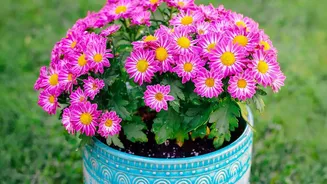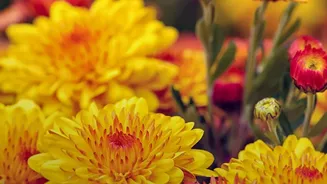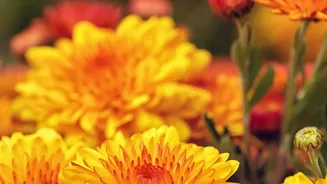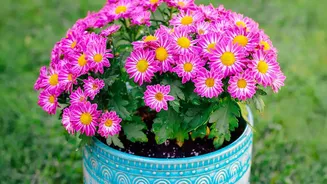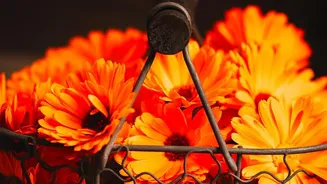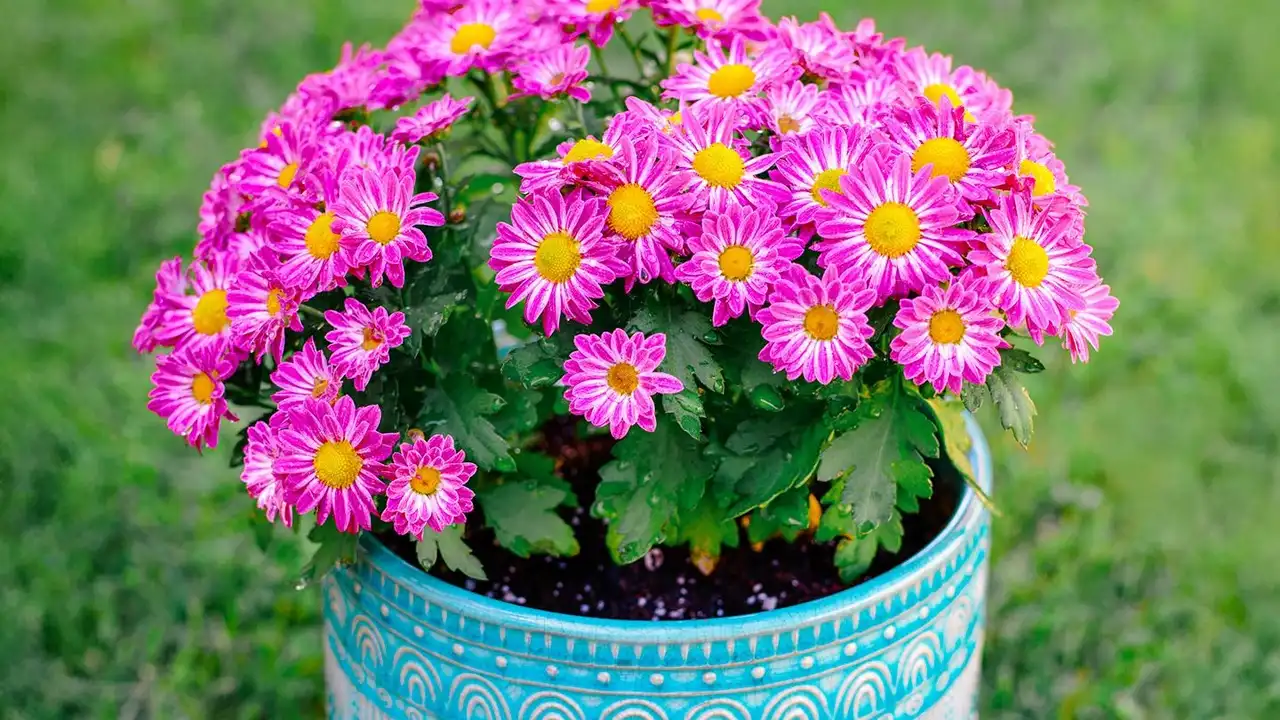


As winter arrives, many gardens can start to look a bit dull. But there's a simple, vibrant solution: chrysanthemums. Known as Guldaudi or Sevanti, these flowers are perfect for adding a burst of colour to Indian homes.
Why Chrysanthemums Rule the Winter Garden
Chrysanthemums, belonging to the daisy
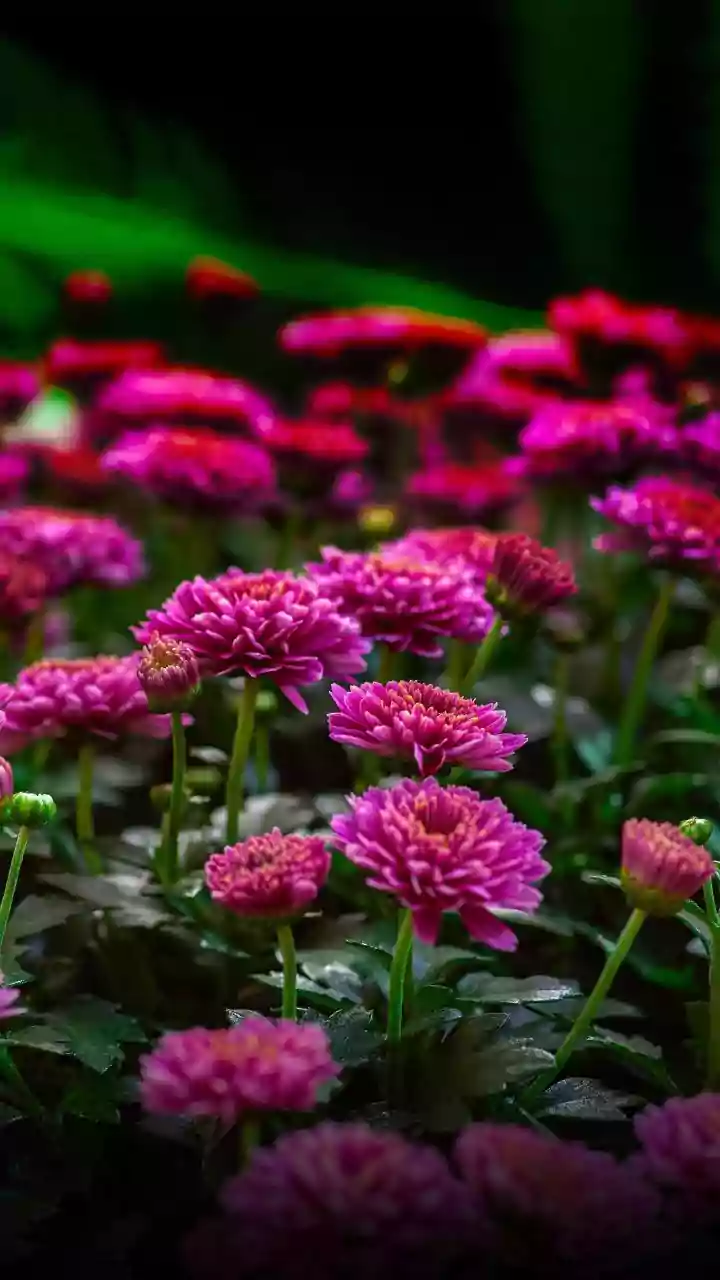
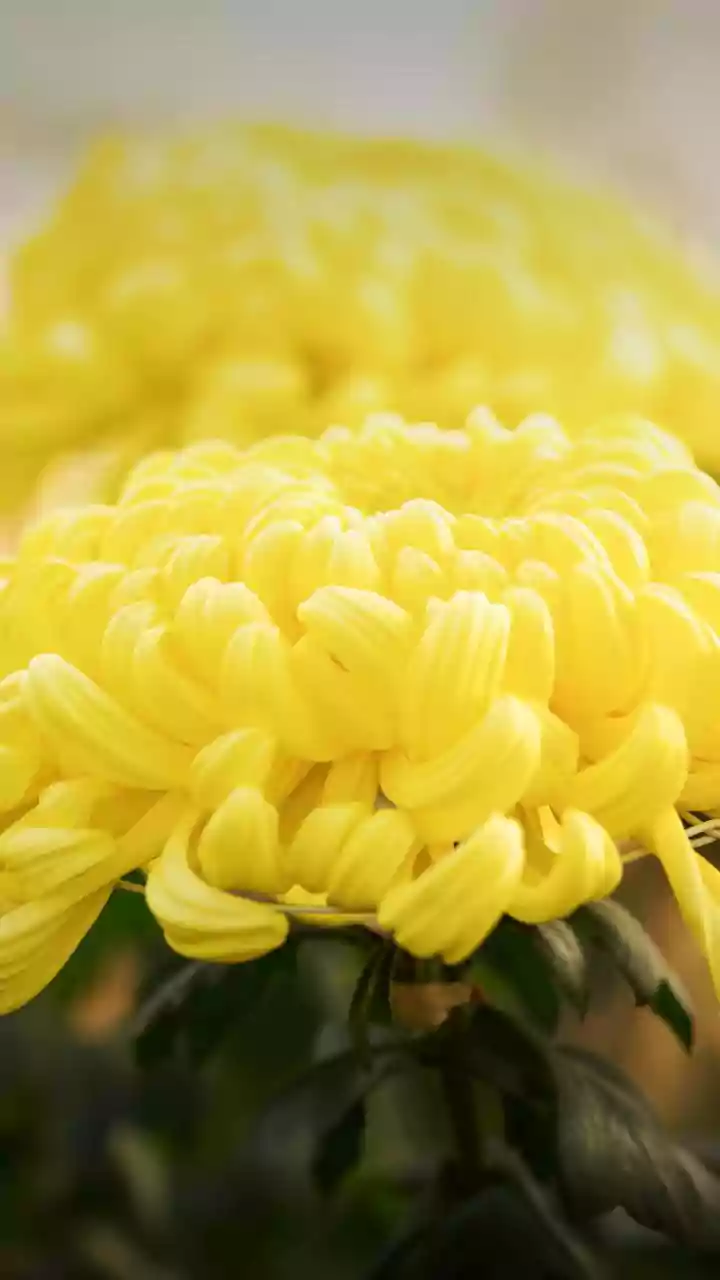
family, are one of the most popular winter-flowering plants in India. Native to East Asia, they have been cultivated for centuries and have become a staple in Indian gardens, beloved for their use in festivals, decorations, and as long-lasting cut flowers. They thrive in the cooler, shorter days of winter, producing an abundance of blooms in a dazzling array of colours including white, yellow, pink, red, orange, and maroon when many other plants are dormant. Whether you have a large garden, a small balcony, or just a few pots, these versatile plants can be grown almost anywhere, delivering a spectacular floral display from late autumn through to February.
Choosing Your Chrysanthemums
Indian markets offer a wide range of chrysanthemum varieties. You'll find local types, often in simple yellow and white, which are hardy and easy to grow from seeds or cuttings. Hybrid varieties offer a more vibrant and diverse colour palette, including striking reds, oranges, and pinks. Some popular named varieties you might encounter include 'Yellow Gold', 'Red Gold', 'Chandrakant', 'Indira', and 'Kirti'. From large, single-headed blooms to spray varieties with dozens of smaller flowers, there is a chrysanthemum to suit every aesthetic. For beginners, starting with a few different types in small batches can help you see which ones perform best in your specific local climate.
Getting the Timing Right: Planting
The key to a spectacular winter display is planting at the right time. In India, the ideal time to get your chrysanthemums started is during the monsoon season (June to August). This allows the plants to establish a strong root system before the flowering season begins. The most common and effective method of propagation is by using terminal cuttings (4-6 inch pieces from a healthy non-flowering stem) or by separating suckers that grow from the base of a mother plant. These cuttings or suckers should be planted out by September or October to ensure they are ready to bloom in winter. While seeds are an option, they are typically sown in September for winter flowering.
Ideal Growing Conditions
To flourish, chrysanthemums have a few essential needs. They are sun-loving plants and require at least 6-8 hours of direct sunlight for sturdy stems and abundant flowers. Insufficient light leads to weak, leggy plants with few to no blooms. Soil is another critical factor; they thrive in well-drained, fertile soil. Heavy, waterlogged soil is their biggest enemy, as it can quickly lead to root rot. A good potting mix can be made with equal parts garden soil, compost or vermicompost, and sand to ensure good drainage. Water regularly, allowing the top inch or two of soil to dry out between waterings. Avoid wetting the leaves to reduce the risk of fungal diseases.
The Secret to Fuller Blooms: Pinching
One of the most important techniques for growing chrysanthemums is 'pinching'. This involves removing the soft growing tips of the stems, which encourages the plant to produce more side branches. More branches mean more flowers, resulting in a bushier, fuller plant. Start pinching when the plant is about 15-20 cm tall. Simply snap off the top 1-2 inches of each main stem. Repeat this process on the new side shoots every 2-3 weeks. In most parts of India, you should stop all pinching by mid-November to allow the plant to form flower buds for the winter season. This simple step makes a dramatic difference in the final floral display.
Feeding and Pest Management
During the active growing phase, feed your plants with a balanced fertilizer every 3-4 weeks. Once you see buds forming, switch to a fertilizer lower in nitrogen and higher in potassium and phosphorus to encourage bigger, healthier blooms. Keep an eye out for common pests like aphids, thrips, and spider mites, which are often found on new growth and buds. Aphids can often be washed off with a spray of soapy water. Regular sprays of neem oil can help manage a variety of pests and also prevent fungal issues like powdery mildew. Ensuring good air circulation around your plants and removing any affected leaves promptly will also help keep them healthy.