




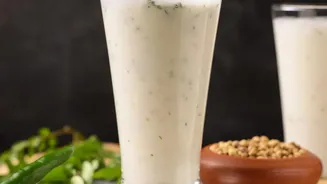
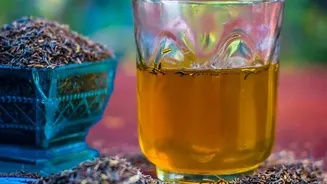
The earthy, aromatic flavour of jeera is a cornerstone of Indian cooking. But what happens when that familiar spice jumps from the tadka pan into a chilled, sparkling soda? It’s a flavour combination that is rapidly gaining fans across the country.
A New Fizz on the Block
Walk
down the beverage aisle in any Indian supermarket, and you'll see a growing challenger to the dominant colas. Cumin soda, or jeera soda, has moved from roadside stalls and homemade concoctions into the mainstream beverage market. Brands like Lahori Zeera, Bindu Fizz Jeera Masala, and Parle Agro's Dhishoom are capturing a significant slice of the market by offering a flavour profile that is distinctly Indian. This isn't just another sweet, fizzy drink. It’s a savoury, tangy, and often spicy experience that feels both novel and deeply traditional. The drink typically combines carbonated water with cumin extract, black salt (kala namak), and a secret blend of other Indian spices, creating a complex taste that is at once refreshing and stimulating.
The Jal-Jeera Connection
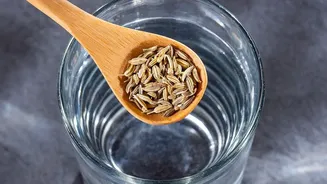
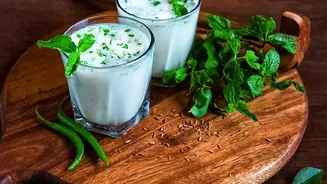
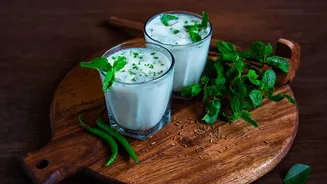
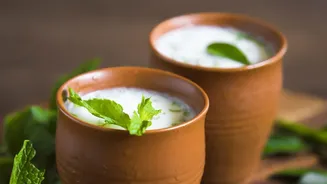
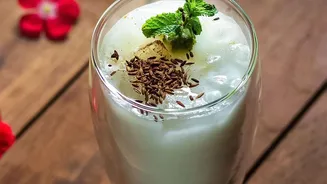
The concept of a cumin-flavoured drink is not new. It is a modern, carbonated evolution of jal-jeera, a traditional North Indian beverage cherished for centuries. The name 'jal-jeera' literally translates to 'cumin water', and it has long been consumed as a summer cooler and a digestive aid before meals. Historically, the spices for jal-jeera were ground on stone slabs and stored in clay pots to maintain their freshness. The traditional recipe involves a powder made from roasted cumin, ginger, black pepper, mint, and black salt, mixed into water. Cumin soda takes this foundational flavour profile and adds the effervescence of soda, creating a convenient, ready-to-drink version that honours its roots while fitting into a modern lifestyle.
More Than Just a Thirst Quencher
A large part of cumin soda's appeal lies in its perception as a 'functional' beverage. In a market increasingly wary of sugary drinks, jeera soda presents itself as a healthier alternative. Cumin has been a staple in Ayurvedic and traditional medicine for millennia, primarily for its digestive properties. The spice is known to stimulate the production of digestive enzymes, which helps the body break down food more efficiently. Many people reach for a jeera soda after a heavy or spicy meal to help reduce bloating, gas, and acidity. While a commercial soda is different from a homemade remedy, the core ingredient's reputation for settling the stomach and providing a cooling effect gives it a distinct advantage over conventional soft drinks that are often just empty calories.
A Taste of Home, Bottled
The rise of jeera soda is part of a broader cultural trend: the reclamation and commercialisation of traditional Indian flavours. For decades, the Indian soft drink market was dominated by international brands. Now, there is a growing appetite for products that resonate with a distinctly Indian palate. Entrepreneurs have recognised that there is an underserved market for familiar, regional tastes. The success of brands like Lahori Zeera, which began as a kitchen experiment and grew into a major market player, shows a clear demand for 'desi' flavours. These drinks tap into a sense of nostalgia, offering the comforting taste of home in a convenient, modern format that appeals across generations.