




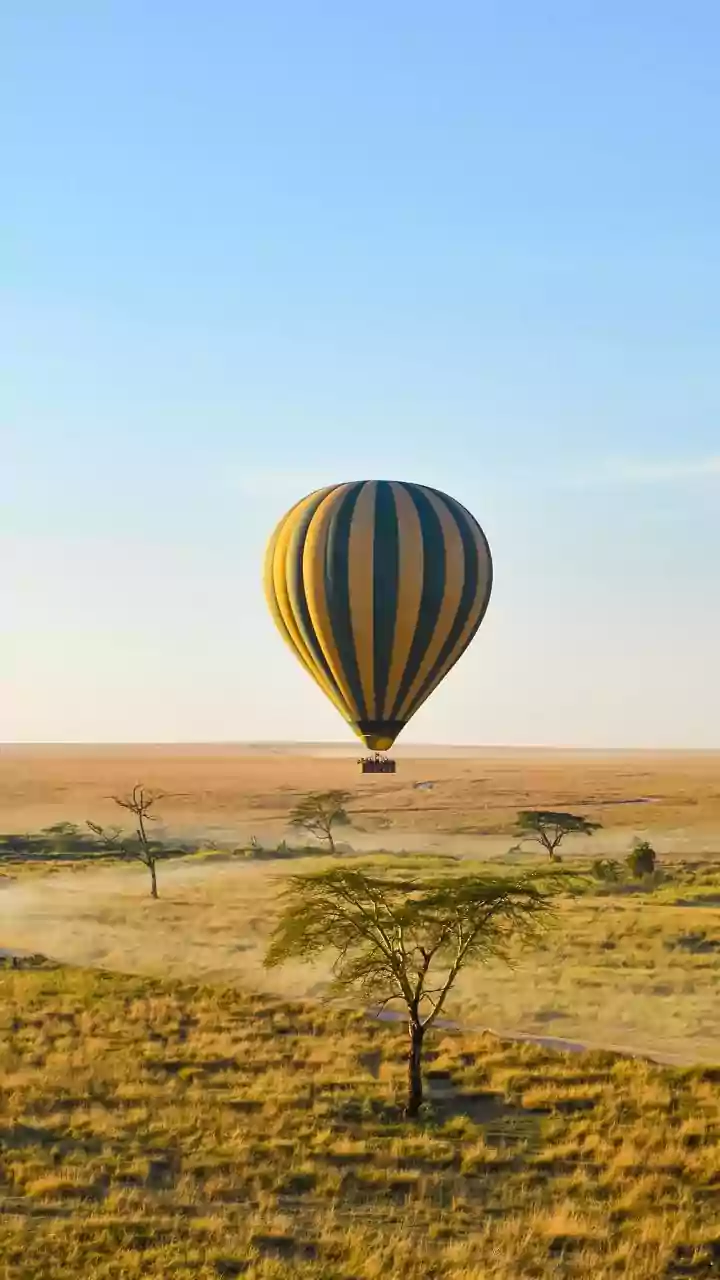

The dream of a full-day safari, spent from dawn to dusk deep inside a national park, often clashes with the reality of India's climate. But as winter arrives, it brings a golden opportunity for the ultimate wildlife immersion without the extreme heat.
The Allure of the Full-Day Safari
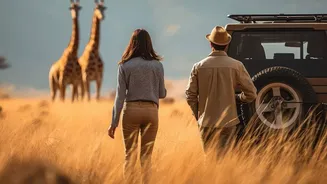
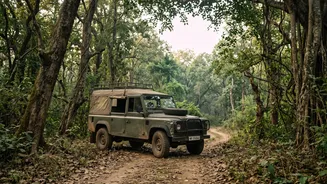
A standard safari offers a tantalising glimpse into the wild, but a full-day safari is a different beast altogether. It is an uninterrupted, dawn-to-dusk immersion into the heart of a national park, allowing you to explore multiple zones and remote areas that shorter trips cannot reach. This extended time in the wilderness means you are not rushing back to the gate, giving you the freedom to wait patiently for a shy animal to emerge or follow tracks without constantly watching the clock. For serious wildlife enthusiasts and photographers, it represents the pinnacle of the safari experience, offering a deeper connection to the rhythms of the forest.
Winter: The Golden Season of Comfort
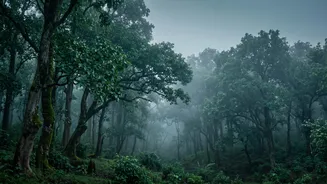
While summer is famous for concentrating animals around scarce waterholes, it comes with scorching temperatures that can make long hours in an open jeep exhausting. Winter, spanning from November to February, flips the script. The climate is cool and pleasant, with daytime temperatures often ranging between a comfortable 15 to 25 degrees Celsius. This eliminates the fatigue and discomfort of intense heat, making it possible to stay out all day feeling fresh and alert. Morning drives are crisp and cool, often wrapped in a magical mist, while afternoons are pleasantly warm, not punishingly hot. This comfortable weather is ideal for families and first-time safari-goers.
More Active Animals, Better Sightings
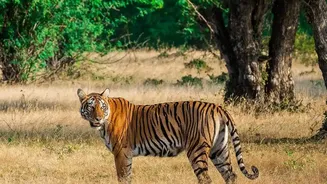
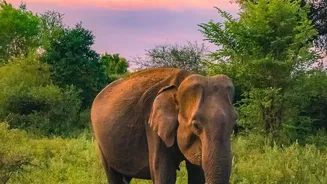
The pleasant weather doesn't just benefit travellers; it significantly alters animal behaviour. In the summer heat, many animals are active only during the cooler twilight hours and seek shade for most of the day. In winter, they are more active throughout the day. Tigers, for instance, are known to patrol their territories for longer periods in the winter sun. Leopards and other mammals can often be seen basking on rocks to warm up. This increased daytime activity boosts the chances of memorable sightings. The window for seeing active wildlife is much larger than in other seasons.
A Paradise for Photographers and Birders
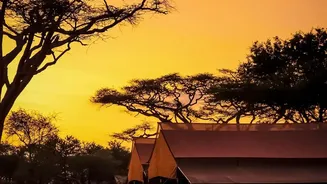
For photographers, winter offers superior conditions. The light is softer and more atmospheric, especially during the 'golden hours' after sunrise and before sunset. Misty mornings can create incredibly dramatic and moody shots of animals emerging from the fog. Furthermore, the post_monsoon landscape is often lush and green, providing a vibrant backdrop for wildlife portraits. It's also the peak season for birdwatching, as countless migratory species arrive from Central Asia and Siberia to spend the winter in India's wetlands and forests, turning parks into an avian paradise.
Planning Your Winter Expedition
Several of India’s top national parks, including Kanha, Bandhavgarh, and Pench, offer full-'day' safari permits that are perfect for a winter expedition. It is crucial to book these permits well in advance, as they are limited and winter is a popular season. Packing is key to comfort. Layering is essential to adapt to the temperature swings, from chilly pre-'dawn' starts to warmer afternoons. Essentials include thermal innerwear, fleece jackets, a warm hat, gloves, and a scarf for the morning chill. As always, wear muted, earthy colours like beige, olive, and brown to blend in with the environment.