








The Seeds of an Industrial Hub
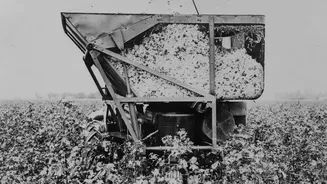
Long before the first textile mill whirred to life, the Coimbatore region was primed for a cotton revolution. The area is blessed with rich, black cotton soil, which proved ideal for cultivating the crop. This agricultural advantage dates back centuries,
with evidence suggesting that farmers from the Vijayanagar Empire migrated to the Kongunad region, bringing their cotton seeds and expertise with them. This natural bounty, combined with a moderate climate perfect for spinning, created the perfect conditions for a textile ecosystem to flourish. The region's strategic location on ancient trade routes, connecting the Malabar Coast to the rest of southern India, also meant that its high-quality cotton was sought after long before industrialisation.
From Local Farms to Thriving Mills
The 19th century marked a pivotal turning point. The British, recognizing the region's potential, began establishing mechanised textile mills. The launch of the Coimbatore Spinning and Weaving Mills in 1888 by Sir Robert Stanes is widely seen as the dawn of industrialisation in the city. These mills were directly fed by the surrounding cotton fields. In the early 20th century, the availability of hydroelectric power from the nearby hills accelerated this growth, leading to a boom in spinning and weaving units. Local entrepreneurs were quick to enter the industry, establishing a chain of mills that transformed the city's economy and earned it the nickname 'Manchester of South India' for its burgeoning textile output. By the 1920s, vast tracts of land, particularly in areas like Avinashi, were dedicated to cultivating varieties like Cambodia cotton.
The Golden Age of Cotton
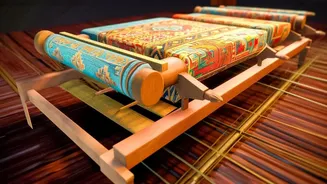
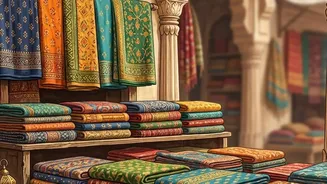
For much of the 20th century, a symbiotic relationship existed between the region's cotton farmers and its textile mills. The mills had a steady supply of high-quality raw material, and the farmers had a reliable market. This synergy cemented Coimbatore's reputation for producing premium yarns that were distinct from those made in other parts of India. The success wasn't just limited to large mills; a vibrant handloom sector also thrived, producing the famous lightweight Kovai cotton sarees perfect for the South Indian climate. The industry created immense employment opportunities and spurred the growth of ancillary sectors, including textile machinery manufacturing, for which Coimbatore is also renowned. This period saw the textile industry become deeply woven into the city's social and economic fabric.
A Heritage Under Pressure
In recent decades, the historic link between local cotton farming and the textile industry has faced significant challenges. While Tamil Nadu remains a powerhouse in textile production, possessing nearly half of India's spinning capacity, its own cotton production has become inadequate to meet the massive demand. The state's mills require approximately 120 lakh bales of cotton annually but produce only around five lakh bales. This vast shortfall means mills are heavily dependent on sourcing cotton from other states, which increases costs and logistical complexities. Factors like labour shortages, fluctuating yields, and the shift to other crops have contributed to the decline in local cultivation, putting the region's foundational heritage under strain.
Weaving a Path for the Future
Despite the challenges, there is a growing recognition of the need to revive and honour this legacy. Efforts are underway to strengthen the local cotton value chain. Initiatives like the national Mission for Cotton Productivity aim to boost yields, improve seed quality, and modernise ginning facilities in states like Tamil Nadu. Research institutions headquartered in Coimbatore, such as the Central Institute for Cotton Research (ICAR), continue to play a crucial role in developing better farming practices and crop varieties suited to the region. By focusing on high-density planting and developing soil-specific seeds, there is potential to significantly increase local production. These efforts are not just about economics; they are about preserving the identity of a city that was quite literally built on cotton.