




The 'Timing': Know Your Showers
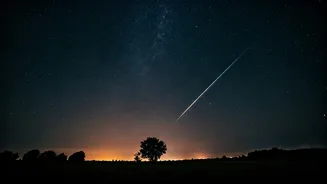
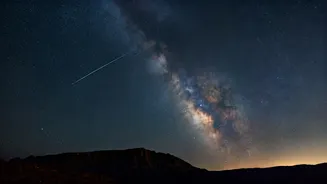
A meteor shower happens when Earth passes through the trail of debris left by a comet or asteroid. The key is knowing when these celestial events peak. For 2026, two major showers promise fantastic viewing opportunities. The Perseid meteor shower, a fan favourite
for its bright meteors and high rates, peaks on the night of August 12-13. Best of all, the peak coincides with a new moon, meaning skies will be exceptionally dark, allowing for an impressive display of potentially 50 to 100 meteors per hour in ideal conditions. Later in the year, the Geminids, known for being one of the most active and colourful showers, will peak on December 13-14. While there will be a crescent moon, it will set early in the evening, leaving dark skies for most of the night and offering a great show. For both, the best viewing is typically after midnight and into the pre-dawn hours.
The 'Blankets': Gearing Up for the Night
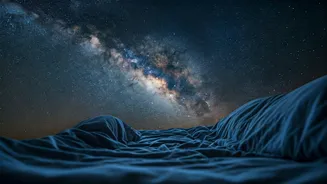
While the headline mentions blankets, your comfort checklist should include a bit more. Since you'll be sitting still for a long time, often in the cool, early morning hours, dressing in layers is crucial. A reclining lawn chair or a thick blanket on the ground will save you from a sore neck. To preserve your night vision, which can take 20-30 minutes to fully adjust, use a red-light torch instead of a bright white one from your phone. Simple red cellophane over a regular torch works well. Binoculars can be a great addition, not just for meteors but for taking in a wider view of the star-filled sky. Finally, pack a flask with a hot drink and some snacks to keep your energy and spirits up during the wait.
Finding Your Spot: Location is Everything
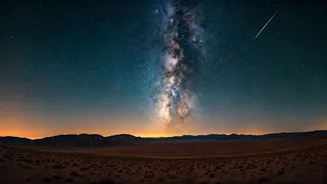
The single most important factor for a successful meteor watch is getting away from city lights. Light pollution creates a 'skyglow' that can wash out all but the brightest meteors. Your goal is to find a location with a wide, unobstructed view of the sky, away from buildings and trees. Websites and apps like Light Pollution Map or Dark Site Finder can help you locate nearby areas with darker skies. These maps use a colour-coded system to show the level of light pollution, guiding you toward less developed areas. National or state parks are often excellent choices, but even a rural field or a quiet spot by a lake can work wonders. Remember to check that the location is safe and accessible at night.
The 'Luck': Patience and Perspective
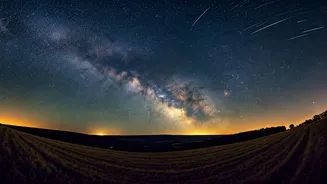
This is where managing expectations comes in. A meteor shower is not a constant fireworks display. The meteors often arrive in spurts with lulls in between. The listed hourly rates are for ideal, perfectly dark conditions, so what you see may be less. The key is patience. Allow your eyes plenty of time to adapt to the darkness and resist the urge to check your phone, as its bright screen will ruin your night vision. Don't stare at one single point; instead, relax your gaze and try to take in a large swath of the sky. You don't need to look directly at the shower's radiant (the point where the meteors appear to originate), as meteors with longer, more impressive trails often appear further away from it. Ultimately, meteor watching is about the entire experience: the quiet of the night, the vastness of the sky, and the thrill of each fleeting streak of light.