



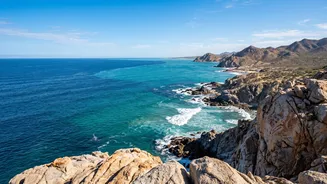
Tired of battling crowds for the perfect vacation photo? The world's most famous mountain towns are beautiful, but 'overtourism' is real. Swapping the packed slopes of Aspen or trails of Gatlinburg for a lesser-known gem is more than a trend—it's a better
way to travel.
Trade Tourist Traps for Authentic Culture
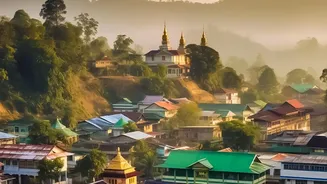
Mainstream resorts can sometimes feel like a theme park version of a mountain town. The shops sell the same t-shirts, and the restaurants cater to a constant churn of tourists. In contrast, smaller, less-traveled towns offer a slice of real life. Here, the local diner isn't a retro-themed chain; it's where residents have been grabbing breakfast for 40 years. You get to connect with a place on its own terms, discovering its unique quirks and traditions. This authenticity provides a deeper, more memorable travel experience that a crowded, commercialized destination often can't match. The interactions feel more genuine because the locals aren't just enduring another wave of visitors; they're often happy to share their home.
Find Actual Peace and Quiet
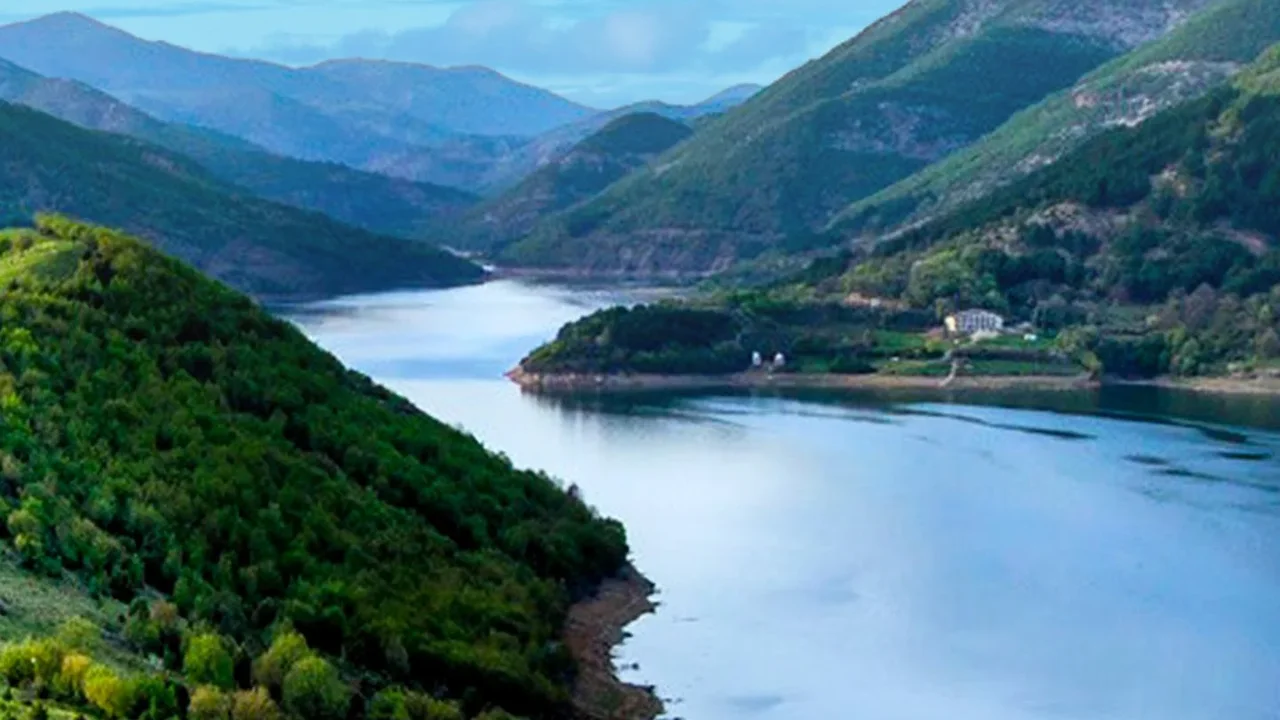
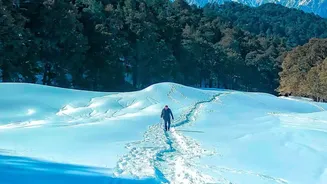
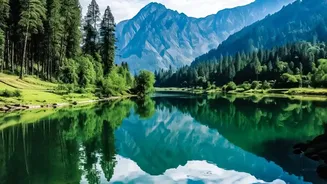
The primary promise of a mountain getaway is tranquility, but that's hard to find when you're stuck in traffic or waiting in a 45-minute line for a ski lift. Overcrowding can cause stress and fatigue, undermining the very reason you went on vacation. Lesser-known hill stations deliver on the promise of escape. Imagine hiking a trail and hearing only the sound of the wind, or finding an entire scenic overlook to yourself. Instead of the constant stimulation of a packed resort, these places offer the mental space to truly relax, decompress, and reconnect with nature. It's the difference between a trip that leaves you needing another vacation and one that actually recharges you.
Your Budget Will Go Further
High demand in popular destinations means high prices for everything from lodging and food to activities. In places like Jackson Hole or Telluride, the cost of a week's vacation can be staggering as housing and services are strained by visitor numbers. Venture a few hours away to a smaller town, and you’ll often find your money stretches significantly further. That cozy cabin, farm-to-table dinner, or guided adventure tour is likely to be more affordable, allowing you to experience more without constantly worrying about your budget. It's simple economics: where fewer people are competing for the same resources, prices tend to be more reasonable.
Support a More Sustainable Form of Tourism
Overtourism doesn't just impact your vacation; it strains small communities and the environment. Popular destinations often struggle with housing shortages for locals, stress on infrastructure, and damage to natural landscapes. By choosing a less-famous destination, you distribute the economic benefits of tourism more evenly. Your money is more likely to go directly to local, family-run businesses rather than large corporations. This helps preserve the town’s character and supports a more sustainable model where tourism enriches a community instead of overwhelming it. Responsible travel often means simply choosing to go where the crowds aren't.
The Joy of Discovery and Real Adventure
Traveling along a well-worn path can feel predictable. Every 'must-see' spot is mapped out, reviewed, and posted on social media thousands of times. While convenient, it leaves little room for spontaneous discovery. Exploring a lesser-known town brings back a sense of true adventure. You might stumble upon a hidden waterfall, a quirky local museum, or the best pie you've ever had at a roadside stand—experiences that aren’t in any guidebook. Instead of following a checklist, you're creating your own story. This kind of travel pushes you to be more present and engaged, turning a simple trip into a journey of personal discovery.