





The Indian kitchen is rediscovering its roots, with traditional cold-pressed oils making a comeback. But what does 'cold-pressed' really mean, and how do you pick the right one? This guide demystifies mustard, sesame, and groundnut oils.
Understanding Cold-Pressed vs. Refined Oils
Walk down any
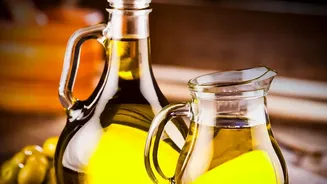
supermarket aisle and you're faced with a choice: refined or cold-pressed. The difference lies in the extraction process. Refined oils are extracted using high heat and chemical solvents to maximize yield and create a neutral-tasting product with a long shelf life. In contrast, cold-pressed oils are produced through a mechanical process at low temperatures, without chemicals. This gentler method, often using a traditional wooden press (ghani), helps the oil retain its natural flavour, aroma, colour, and a higher concentration of nutrients like antioxidants and vitamins that are often lost during refining. While refined oils have a higher smoke point, making them suitable for high-temperature deep frying, cold-pressed oils offer a more authentic and nutrient-rich experience for everyday cooking.
Mustard Oil: The Pungent Powerhouse
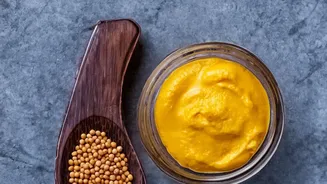
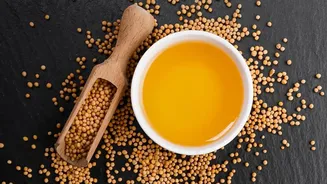
Known for its sharp, pungent aroma and flavour, cold-pressed mustard oil, or 'sarson ka tel', is the soul of many cuisines in North and East India. It's a non-negotiable ingredient in states like Bengal, Bihar, Punjab, and Uttar Pradesh. Its high smoke point, around 200-250°C, makes it excellent for traditional Indian cooking methods like frying and sautéing. This oil brings a distinctive, warming character to dishes. Think of the authentic taste of Bengali fish curries like 'shorshe maach', the heartiness of Punjab's 'sarson da saag', or the sharp kick it gives to pickles and chutneys, where it also acts as a natural preservative. Its robust flavour stands up to strong spices, making it a cornerstone of regional culinary identity.
Sesame Oil: The Nutty Nectar
Often called 'til ka tel' or 'gingelly oil', sesame oil is a staple in Southern and parts of Western India. It is renowned for its nutty aroma and rich flavour, which can range from light and mild to deep and toasty. In South Indian cuisine, it's fundamental for tempering dals and chutneys, and for adding a finishing drizzle over dishes like idli and dosa to enhance their flavour. It's the oil of choice for preparing many pickles and preservative-based dishes in the region. With a fairly high smoke point of around 177-210°C, cold-pressed sesame oil is versatile enough for stir-frying and sautéing, adding depth to everything from vegetable preparations to tangy tamarind-based soups like rasam. Its distinct profile is essential for the authenticity of many regional dishes, including the famous sesame rice, or 'ellu sadam'.
Groundnut Oil: The Versatile Favourite
Cold-pressed groundnut oil, also known as peanut oil, is the workhorse of kitchens in Western and Southern India, particularly in Gujarat, Maharashtra, and Andhra Pradesh. Valued for its mild, slightly nutty flavour, it’s an incredibly versatile cooking medium that doesn't overpower the other ingredients in a dish. This makes it perfect for a wide range of applications, from everyday sautéing of vegetables ('shaak') to deep-frying snacks like samosas, bhajiyas, and vadas. Its relatively high smoke point of around 160-180°C means it can handle the heat of most Indian cooking methods. It's the traditional choice for making the tadka for dishes like poha and for creating the base of famous preparations like Gujarati Undhiyu and Maharashtrian Misal.
How to Choose and Store Your Oil
When selecting a cold-pressed oil, look for signs of quality. The label should clearly state "cold-pressed" or "wood-pressed" ("kachi ghani"). Good quality oils are often sold in dark glass or tin packaging, which protects them from light and prevents degradation. A pure oil will have the distinct, natural aroma of its source seed—mustard should be pungent, groundnut should smell of peanuts. Due to minimal processing, cold-pressed oils have a shorter shelf life than their refined counterparts. It's best to buy them in smaller quantities that you'll use within a few months. Store them in a cool, dark place away from direct sunlight and heat to maintain their freshness and nutritional integrity.