



Understanding the Living Bridges
Before you lace up your boots, it’s worth understanding what makes these bridges so special. Located near Sohra (the traditional name for Cherrapunji), these are not built but grown. For centuries, the local Khasi and Jaintia people have guided the aerial
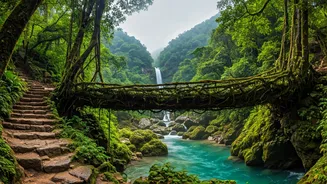
roots of the Ficus elastica (rubber fig) tree across rivers and streams. Using hollowed-out betel nut trunks as guidance systems, the roots are slowly trained to grow in a specific direction. Over decades, they form a strong, living structure capable of supporting human weight. Each bridge is a testament to generational patience and a harmonious relationship with nature.
Route 1: The Iconic Double-Decker Bridge
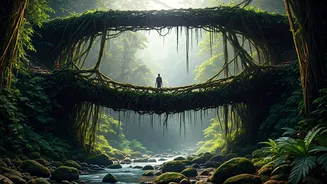
The most famous of all is the Jingkieng Nongriat, or the Umshiang Double-Decker Root Bridge. This is the main event for most visitors and the trek to reach it is as memorable as the destination itself. The journey begins from Tyrna village, a short drive from Sohra. From here, it's a steep descent of approximately 3,500 stone steps down to Nongriat village. The trek takes about 1.5 to 2 hours one way and is physically demanding, but you’ll be rewarded with views of smaller root bridges and suspension bridges along the path. The double-decker bridge itself is a breathtaking sight, with two levels of intertwined roots forming a sturdy passage over the Umshiang River. **Photography Tip:** To capture the scale of the double-decker, find a spot on the riverbank below. Use a wide-angle lens to fit the entire structure in your frame. Early morning light is best, as it filters softly through the canopy, creating a mystical glow and avoiding the harsh shadows and crowds of midday.
Route 2: The Ritymmen Root Bridge
While in Nongriat, don't miss the Ritymmen Root Bridge. Known as the longest single-span living root bridge, it's about a 20-minute walk from the double-decker. This route is much less crowded, offering a more serene experience. The bridge itself is a magnificent, sprawling structure that feels ancient and powerful. Its length makes for dramatic photographs and allows you to appreciate the intricate root system up close without jostling with other tourists. **Photography Tip:** Play with perspective. Shoot from one end of the bridge looking towards the other to emphasize its length. The texture of the roots is incredible, so get close for some detailed abstract shots. The lack of crowds means you can take your time to frame the perfect photo, perhaps with a lone figure walking across to give a sense of scale.
Route 3: The Trek to Rainbow Falls
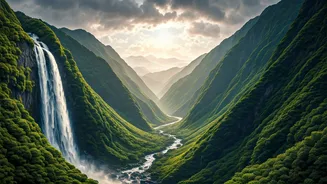
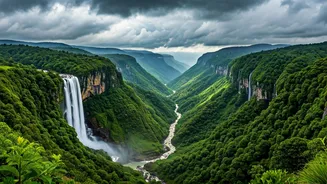
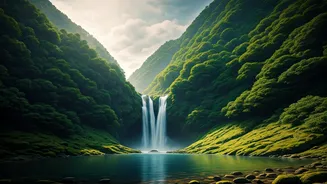
For the adventurous, the journey doesn’t end at the bridges. A further 90-minute trek from Nongriat leads to the spectacular Rainbow Falls. The path is more rugged and less defined than the one to the village, so a local guide is highly recommended. The reward is a powerful waterfall crashing into a turquoise pool. True to its name, a rainbow is often visible in the mist when the sun hits it just right. The pools here, often called 'blue lagoons,' are perfect for a refreshing, well-earned swim. **Photography Tip:** Protect your gear from the spray! A waterproof bag is essential. To capture the silky-smooth effect on the water, use a tripod and a slow shutter speed. A polarising filter can help cut the glare on the water's surface, making the blue and green colours pop even more.
Essential Tips for Your Trip
To make the most of your adventure, keep these points in mind. The best time to visit is from October to May, after the monsoons, when the paths are less slippery and the skies are clearer. Wear comfortable shoes with excellent grip; this is a serious trek, not a casual walk. Carry a light backpack with water, energy bars, a basic first-aid kit, and a power bank, as electricity in Nongriat can be unreliable. Respect the local culture and the bridges themselves—they are sacred living entities. Hiring a local guide from Tyrna village is not only helpful for navigation but also supports the community that maintains these wonders.