




First, What Is This 'Gunpowder' Spice?
Before it was sprinkled on pasta, podi was a staple in South Indian homes. The name literally means “powder” in several South Indian languages. It’s a dry, coarse spice mix, famously nicknamed 'gunpowder' for its explosive flavour. Traditionally, it’s
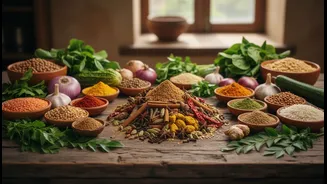
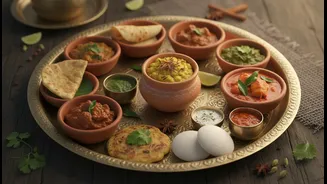
made by dry-roasting lentils like chana dal and urad dal, along with dried red chillies, sesame seeds, and a few other aromatic spices like asafoetida (hing) and curry leaves. Everything is then ground into a textured powder. For generations, this podi has been the quintessential partner to soft idlis and crisp dosas, typically mixed with ghee or sesame oil to form a potent, flavour-packed dip or topping. It's a flavour bomb designed to add spice, texture, and a deep, nutty umami to simple dishes.
From Idli Sidekick to Pasta Hero
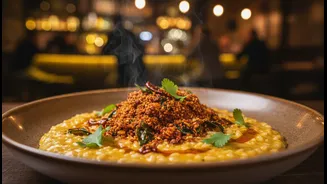
So how did this humble condiment make the leap from the breakfast plate to the main course in a gastropub? The answer lies in the creative spirit of modern Indian cuisine. Chefs and home cooks began experimenting, seeing the potential of podi beyond its traditional pairings. The trend has manifested in viral social media recipes for 'ghee podi spaghetti' and 'podi pasta', which ditch conventional sauces for a generous coating of ghee and the spicy lentil powder. But it doesn't stop there. This fusion is appearing in various forms across urban menus: podi-dusted loaded fries, creamy risottos with a gunpowder kick, and even grilled meats marinated in the spice blend. These dishes take a familiar European comfort food and give it an unapologetically Indian twist that feels both surprising and perfectly natural.
The Science of a Perfect Match
The fusion of podi and cream isn’t just a gimmick; it’s a pairing that makes perfect culinary sense. The magic lies in the contrast. Rich, creamy bases like cheese sauce, white sauce, or even just butter and heavy cream can sometimes feel heavy or one-dimensional. The podi acts as the perfect counterpoint. Its coarse texture breaks up the smoothness, while its earthy heat from the chillies cuts through the richness of the fat. Furthermore, the flavour chemistry of podi itself is complex. The dry-roasting of the lentils creates a deep, toasty flavour through the Maillard reaction, lending a savoury, umami quality that beautifully complements the dairy. The result is a balanced dish where the spice elevates the cream, and the cream tames the spice just enough to create a harmonious and incredibly addictive flavour profile.
A Trend Brewing Across Urban India
While the term 'gastropub' captures the spirit, this trend is flourishing in a wide range of modern Indian dining spaces, from casual cafes in Mumbai to iconic tiffin rooms in Bengaluru. You might find a sophisticated podi risotto on a fine-dining menu or a simple, hearty bowl of podi mac and cheese at a trendy neighbourhood bistro. In cities like Chennai, where podi is a household staple, chefs have long been playing with fusion concepts, serving everything from gunpowder-marinated fish to pasta cooked in traditional masalas. This movement isn't dictated by a single source but is bubbling up organically, driven by chefs and food lovers eager to showcase the versatility of Indian ingredients on a global stage.