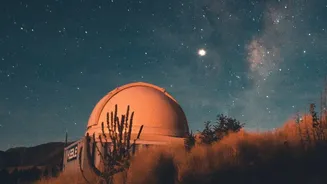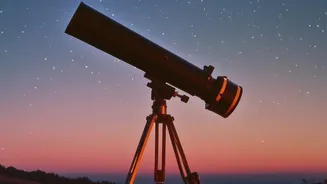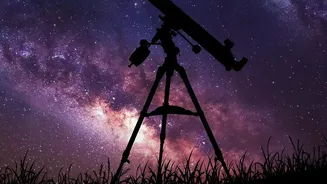


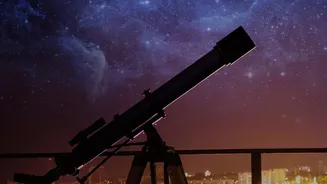

As the post-monsoon air clears, November offers some of the best stargazing opportunities in India. Look up on a clear night, and you'll find the cosmos putting on a spectacular show, accessible even without a telescope.
First Steps for Stargazers
Before you start hunting for planets,
set yourself up for the best possible experience. The most important rule is to get away from city lights. Light pollution from urban areas can wash out all but the brightest objects. Find a safe spot in a rural area, a park, or even a rooftop with an unobstructed view. Give your eyes at least 20 minutes to adjust to the darkness; avoid looking at your phone screen, as its white light will ruin your night vision. Many stargazing apps have a 'red light' mode for this reason. Lastly, plan your viewing around the Moon. The best nights are near the New Moon on November 9, when the sky is darkest.
The Morning Planet Parade
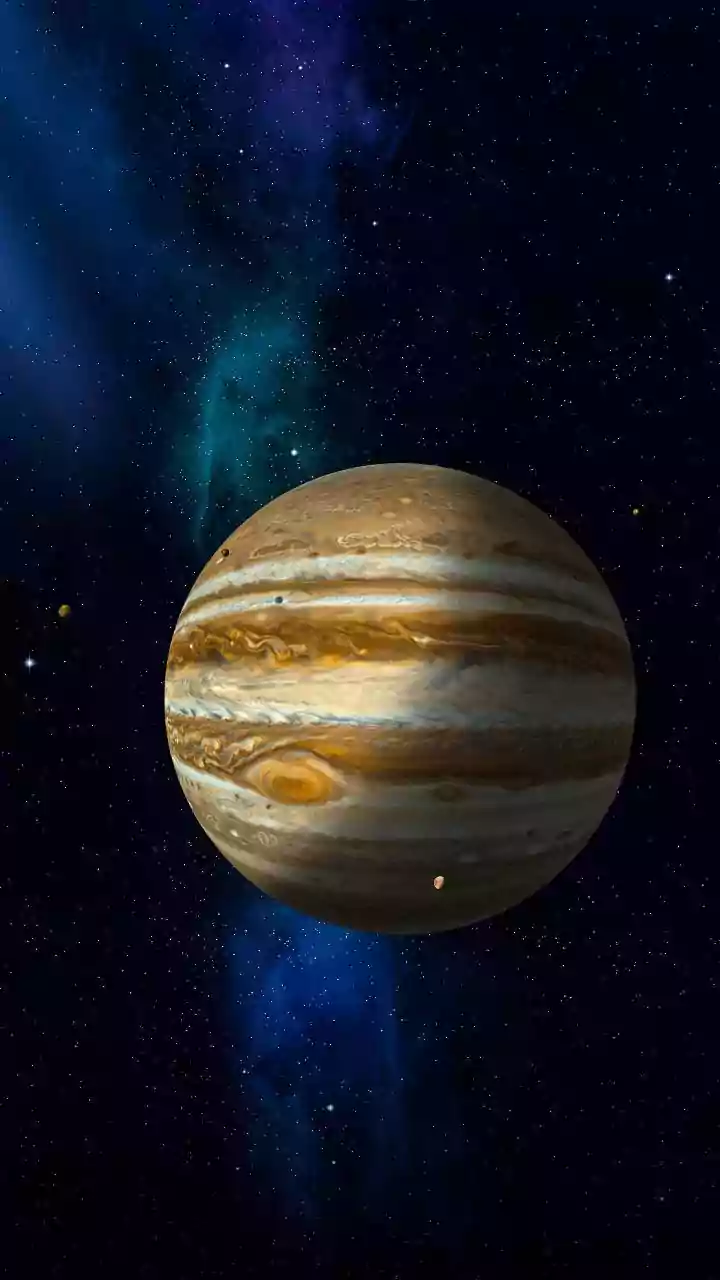
November 2026 features a beautiful alignment of four planets in the pre-dawn sky. To see it, you'll need to look towards the southeast about an hour before sunrise. The lineup includes Mercury, Venus, Jupiter, and Mars, forming a diagonal line. Mercury will be the lowest and most challenging to spot, skimming the horizon. Venus will be a brilliant, unmissable beacon above it. Higher up, Jupiter and Mars will appear close together, like a bright double star. A particularly special event occurs on November 15-16, when Mars and Jupiter have a close conjunction, making them appear exceptionally near each other. While these planets are visible with the naked eye, a pair of binoculars will make the view even more rewarding.
Saturn and Uranus in the Evening
The evening sky has its own attractions. Saturn will be perfectly visible for most of the night and is best viewed in the late evening. It shines with a steady, yellowish light, distinguishing it from twinkling stars. While you need a telescope to see its famous rings, its bright presence is a satisfying sight for any beginner. For those with binoculars and a bit more patience, the planet Uranus is also visible. It reaches opposition—its brightest point for the year—on November 25. It will appear as a faint, steady point of light, but finding it requires a star chart app and a dark sky.
Constellations for Newcomers
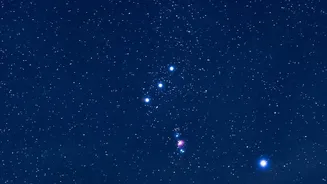
Finding constellations can feel daunting, but November offers some of the most recognisable patterns. The most famous is Orion, the Hunter, which starts rising in the east in the evenings. Look for its three bright stars in a straight line forming Orion's belt. Another easy-to-spot shape is Cassiopeia, which looks like a letter 'W' or 'M' in the northern sky. You can use Cassiopeia to help locate Polaris, the North Star. High overhead, you'll find the Great Square of Pegasus. Also prominent is Taurus, the Bull, marked by the V-shaped Hyades star cluster and the bright, reddish star Aldebaran, known as Rohini in Indian astronomy.
A Celestial Highlight: The Leonid Meteor Shower
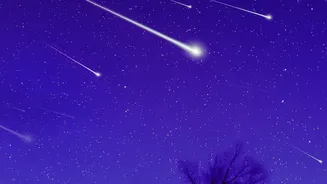
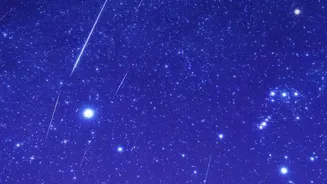
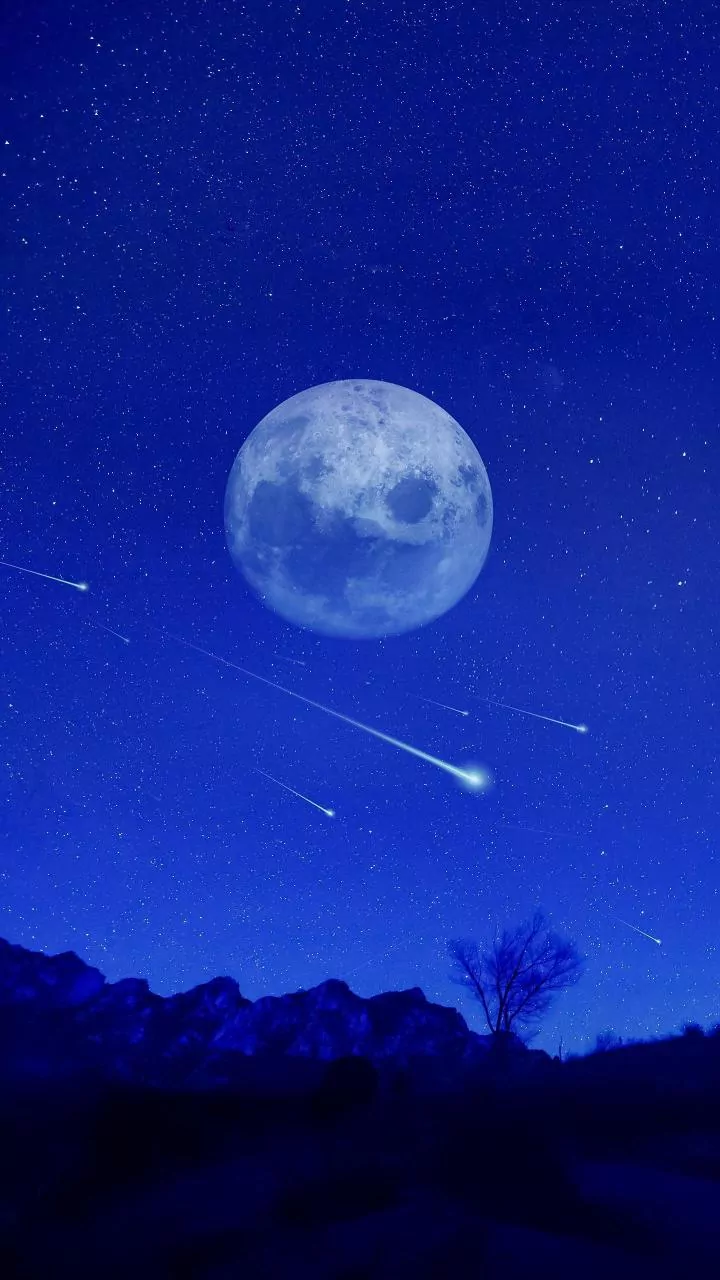
November is famous for the Leonid meteor shower, which will be active from November 6 to 30. It is expected to peak on the night of November 17–18. The best time for viewing in India will be from about 2 a.m. until dawn on the morning of November 18. In ideal dark–sky conditions, you might see up to 15 meteors per hour. These 'shooting stars' are actually tiny dust particles from the comet Tempel–Tuttle burning up in our atmosphere at incredible speeds. For the best view, lie back on a blanket or reclining chair, look toward the east, and allow your eyes to scan a wide area of the sky. No special equipment is needed.