







The New Reality of Your Media Feed
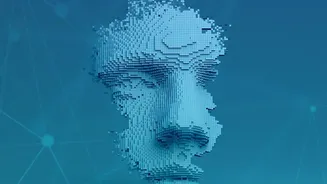
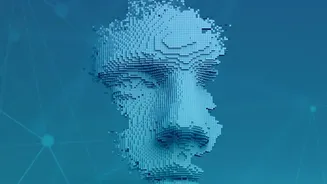
Artificial intelligence can now create hyper-realistic images, videos, and audio clips, often called 'deepfakes' or 'synthetic media'. These are not just edited photos; they are entirely new pieces of content created by AI systems. We've seen everything
from AI-generated voices used in scams to fake videos of celebrities promoting products they've never endorsed. In India, a significant portion of adults have reported encountering AI voice-cloning or deepfake scams, a rate nearly double the global average. This technology, once confined to special effects studios, is now accessible to almost anyone, making it easier than ever to create convincing fakes.
Why It's More Than Just a Prank
While some AI creations are harmless fun, many are designed to deceive. The motivations can range from financial fraud and personal vendettas to large-scale political propaganda. Misleading content is often designed to provoke a strong emotional reaction, making you angry, scared, or overjoyed. These powerful emotions can short-circuit our critical thinking and make us more likely to share without thinking. The World Economic Forum has identified misinformation and disinformation as one of the biggest short-term risks to global stability, capable of influencing public opinion and undermining trust in democratic processes.
Your First Defence: Pause and Question
The single most important step you can take is to pause before you react or share. Developing a habit of looking critically at information is crucial. Ask yourself: Does this seem too good, too strange, or too enraging to be true? Misleading content often relies on sensational headlines and emotionally charged images to bypass your rational mind. Take a moment to question the purpose of the post. Is it trying to inform you, or is it trying to persuade you to feel a certain way? This simple pause is your first and most effective filter against being misled.
Check the Source and Its Reputation
Once you've paused, the next step is to check the source. Who posted this content? Is it a reputable news organisation, an official government channel, or an unknown account with a strange name? Click on the profile of the user who shared the video or image. Do they post other surreal-looking clips or is their feed full of similar, questionable content? Be wary of websites with generic names or those that mimic credible news sources. Reputable outlets have clear mission statements, contact information, and a history of accountable reporting.
Look for Telltale AI Glitches
While AI is getting better, it still makes mistakes. When looking at images or videos, pay close attention to the details. Hands are notoriously difficult for AI to generate correctly, so look for extra or misshapen fingers. Other signs can include unnatural skin that looks too smooth or plastic, blurry or distorted backgrounds, and strange flickering around the edges of a person. In videos, watch for unnatural lip-syncing or a lack of blinking. While many of these obvious flaws are being fixed, a careful eye can still spot inconsistencies that give the game away.
Verify the Story, Not Just the Image
A visually perfect photo or video can still be used to spread misinformation if it's presented out of context. The ultimate verification is to check the story itself. One of the best ways to do this is to consult multiple, independent sources. If a major event is being reported, credible news outlets will be covering it. You can use tools like a reverse image search to see where else an image has appeared online, which can reveal if it's an old photo being recirculated with a new, false story. Fact-checking websites can also be valuable resources for debunking common viral falsehoods.