





Shillong, Meghalaya: The Abode of Clouds
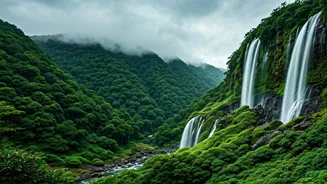
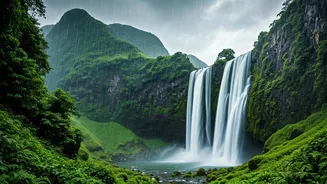
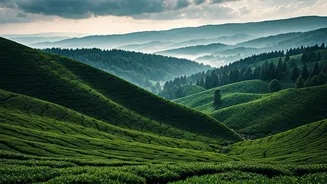
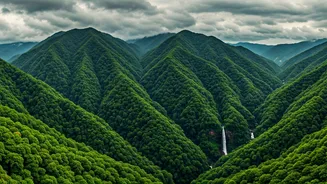
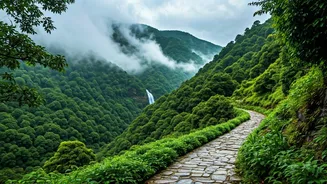
July is when Shillong truly lives up to its 'Scotland of the East' moniker. The monsoon transforms Meghalaya’s capital into a mystical paradise, with clouds blanketing the rolling hills and waterfalls like Elephant Falls and Bishop Falls roaring back
to life. While the summer months of March to June draw the biggest crowds, July offers a more tranquil experience. The landscape is at its most vibrant green, and the air is crisp and clean. It’s the perfect time for those who enjoy the romance of rain, cozying up in a colonial-era café, or taking a boat ride on the misty Umiam Lake. While heavy downpours are common, they often result in fewer tourists, allowing for a more intimate exploration of local attractions and culture.
Munnar, Kerala: A Carpet of Green
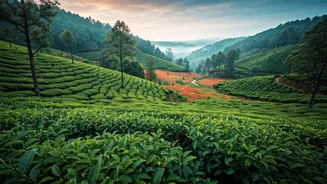
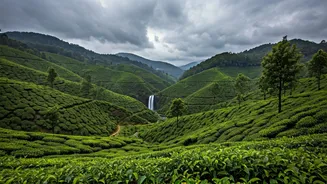
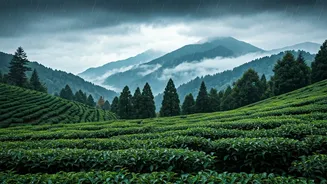
While many travellers flock to Munnar during the dry winter months, the monsoon season from July to September paints the tea plantations in a thousand shades of green. The weather is cool and pleasant, offering a welcome respite from the city heat. Key attractions like Pothamedu View Point become even more spectacular, with mist and clouds weaving through the valleys. Though occasional heavy rain can cause travel disruptions, the trade-off is a quieter, more serene environment. You can enjoy the beauty of Attukad Waterfalls in full flow or simply relax with a hot cup of tea while watching the rain wash over the endless gardens. Accommodations are also more budget-friendly during this shoulder season.
Panchgani, Maharashtra: The Monsoon Jewel
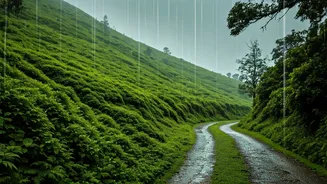
For those in Western India, Panchgani is a classic monsoon destination that truly comes alive between June and September. The five hills surrounding the town are draped in a fresh green coat, and the air is filled with the scent of wet earth. Unlike its summer and winter peak seasons, the monsoon period sees fewer crowds, especially on weekdays. This allows for leisurely visits to iconic spots like Sydney Point and Parsi Point, which offer dramatic views of the cloud-filled Krishna Valley and Dhom Dam. The drive from Pune or Mumbai itself is a scenic experience, with seasonal waterfalls dotting the landscape. It's the perfect setting for a quiet, rejuvenating escape.
Kasauli, Himachal Pradesh: Quiet Colonial Charm
If you're seeking a peaceful retreat in the Himalayas without the crowds of Shimla or Manali, Kasauli is an excellent choice for July. This quiet cantonment town experiences moderate rainfall, which keeps the summer heat at bay and enhances its natural beauty. The colonial-era architecture, including the Christ Church, looks even more enchanting against the misty backdrop. The monsoon season is considered off-peak, meaning you can enjoy tranquil walks along the Upper and Lower Mall roads or the Gilbert Trail with minimal tourist traffic. It’s an ideal time for travellers who prefer a slower pace and a more serene atmosphere to soak in the panoramic views of the surrounding hills.
Coorg, Karnataka: The Coffee-Scented Rains
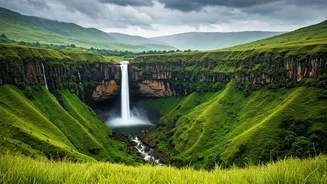
Known as the 'Scotland of India,' Coorg in Karnataka is a breathtaking destination during the monsoon. July marks the heart of the rainy season, when the region’s famed coffee plantations are at their most lush and the landscape is shrouded in a romantic mist. While peak tourist season is typically from October to March, visiting in July means you'll witness Abbey Falls and Iruppu Falls in their most powerful and majestic state. The reduced tourist footfall allows for a more authentic experience, whether you're exploring the Madikeri Fort or enjoying the panoramic views from Raja's Seat. For nature lovers, the rain-drenched Western Ghats offer a unique and peaceful charm that peak season travel simply can't match.