

The New Definition of Convenience
For years, ‘quick meals’ meant compromising on health, often leading to processed foods or expensive takeaways. Today, that’s no longer the case. The modern approach to fast weeknight dinners is about ‘convenience without compromise’. This new wave is less
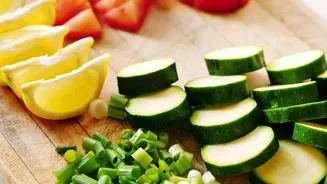
about instant gratification and more about smart preparation. It involves a blend of fresh ingredients with clever shortcuts that drastically cut down on cooking time without sacrificing nutritional value. Think pre-chopped vegetables, high-quality frozen produce, ready-to-use sauces and pastes, and versatile grains that cook in minutes. The goal has shifted from simply getting food on the table to preparing a meal that is both time-efficient and genuinely nourishing.
Meal Kits and a Reshaped Pantry
Meal kits were early pioneers in this space, promising chef-designed recipes with pre-portioned ingredients. While their initial popularity highlighted a clear demand for easier home cooking, the trend has since evolved. Consumers are now building on the core concepts of meal kits—variety, portion control, and reduced food waste—and applying them to their own shopping. The modern Indian pantry is adapting, with staples like protein-rich quinoa, millets, and healthy snack options like makhana sitting alongside traditional dals and rice. The market for ready-to-cook (RTC) and ready-to-eat (RTE) products in India is growing rapidly, with consumers seeking clean-label items that are high in protein and free from artificial additives.
Drivers of the Dinner Dash
Several factors are fuelling this culinary shift. The continued prevalence of hybrid work schedules has given people more time at home but has also blurred the lines between personal and professional life, making time-saving solutions more valuable than ever. Simultaneously, there is a heightened awareness around health and wellness, with many people viewing food as a tool for long-term wellbeing. This has created a strong demand for meals that support health goals like building strength and healthy ageing. Social media also plays a significant role, with platforms like Instagram and TikTok offering endless inspiration for quick, visually appealing, and healthy dishes. Studies show a vast majority of users have tried recipes they discovered online, which has improved their cooking skills and confidence in the kitchen.
The Indian Kitchen Gets an Upgrade
In India, this global trend is merging with a rich culinary heritage to create exciting new possibilities. While traditional Indian cooking is often associated with slow-cooking techniques and complex spice blends, modern home cooks are finding innovative ways to speed things up. This includes using pressure cookers for one-pot meals, preparing spice mixes (masalas) in batches, and embracing fusion dishes like quinoa biryani or chicken tikka tacos. The market is responding with products tailored to these needs, from organic spices to gourmet sauces that add authentic flavour without hours of simmering. The country's packaged food market is seeing steady growth, driven by urbanisation and the increasing number of dual-income households seeking convenient meal options.