



A New Space Race Begins
For decades, a career in India's space sector meant one thing: securing a coveted position at the Indian Space Research Organisation (ISRO). While ISRO remains a pillar of national pride and a premier employer, the landscape has changed dramatically.
In 2020, the government opened the final frontier to private enterprise, creating a single-window agency, the Indian National Space Promotion and Authorisation Centre (IN-SPACe), to facilitate their participation. This policy shift has ignited a domestic space race, with over 400 startups now populating the ecosystem, working on everything from building rockets to analysing satellite data. This boom is projected to quintuple India's share of the global space economy to around $44 billion by 2033, creating a new universe of jobs.
Meet the New Industry Players
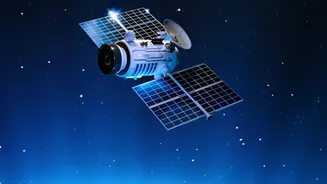
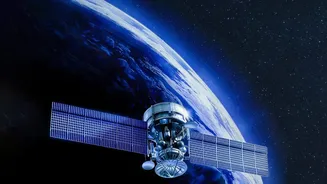
The new space ecosystem is bustling with innovative startups that are actively hiring engineers. Companies like Skyroot Aerospace, which successfully launched India's first private rocket, and Agnikul Cosmos, are building next-generation launch vehicles. Others, like Pixxel and Dhruva Space, are focused on developing satellite constellations for earth observation and communication. These private firms, along with established aerospace giants like Tata Advanced Systems and L&T, are not just building hardware; they are creating a full-stack space economy. This includes downstream applications that use space-based data to serve sectors like agriculture, disaster management, and urban planning.
It’s Not Just Rocket Science
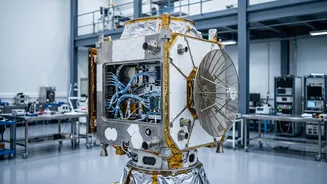
A common misconception is that the space industry only needs aerospace engineers. The reality is far more diverse. The modern space sector is hungry for a wide range of engineering talent. Mechanical engineers are needed to design the physical structures of rockets and satellites. Electronics and communications engineers develop the vital avionics, navigation, and control systems that guide these complex machines. Perhaps the fastest-growing field is software engineering. Flight software engineers write the critical code that controls spacecraft in real-time, while data scientists and AI/ML specialists analyse the vast amounts of information sent back from satellites. This means graduates with degrees in Computer Science, Electronics, and Mechanical Engineering are just as valuable as their aerospace counterparts.
The Skills to Launch Your Career
While a B.Tech degree in a relevant field is the entry ticket, private startups often value practical skills and portfolio-driven experience over high grades alone. Aspiring space engineers should focus on acquiring skills in high demand. Proficiency in coding languages like C++ and Python, experience with embedded systems, and familiarity with CAD and simulation software are crucial. Expertise in cutting-edge areas like robotics, AI/machine learning for data analysis, and cybersecurity for protecting space assets will provide a significant advantage. Furthermore, soft skills are essential. The industry needs adaptable problem-solvers who can collaborate effectively in multidisciplinary teams under immense pressure and tight deadlines.
Preparing for Liftoff
For students and recent graduates, the path into this industry involves being proactive. Gaining hands-on experience through university projects like building CubeSats, participating in hackathons, or securing internships can make a resume stand out. Following industry news and the work of companies like Skyroot, Agnikul, and Pixxel will help you understand the sector's trajectory and needs. Private companies are actively recruiting from IITs, NITs, and other reputable engineering colleges, looking for candidates who demonstrate not just technical knowledge but a genuine passion for building the future of space technology. With junior-level salaries in the private sector ranging from ₹10 lakh to ₹25 lakh per annum, the financial incentives are also becoming increasingly attractive.