




The Downside of Unchecked Sunlight
While natural light is celebrated for boosting moods and making spaces feel larger, uncontrolled sunlight can be a nuisance, especially in India's varied climate. The most obvious issue is heat gain. Up to 75% of the sunlight that enters through standard
windows can turn into heat, forcing your air conditioning to work overtime and driving up energy bills. Then there's the issue of glare, which can make watching television or working on a laptop nearly impossible. Furthermore, the same ultraviolet (UV) rays that cause sunburn can also wreak havoc indoors. Over time, direct sunlight can fade the colour from your expensive sofas, rugs, and artwork, causing irreversible damage. It can even pose risks to your skin and eyes over long periods of exposure next to a window. This is why managing light is not about blocking it out, but about curating it.
Simple Solutions with Big Impact
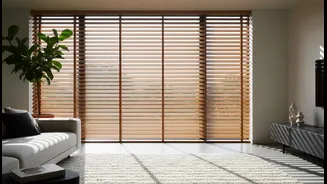
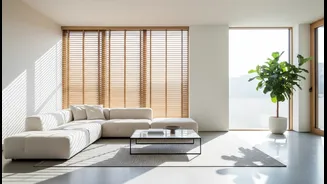
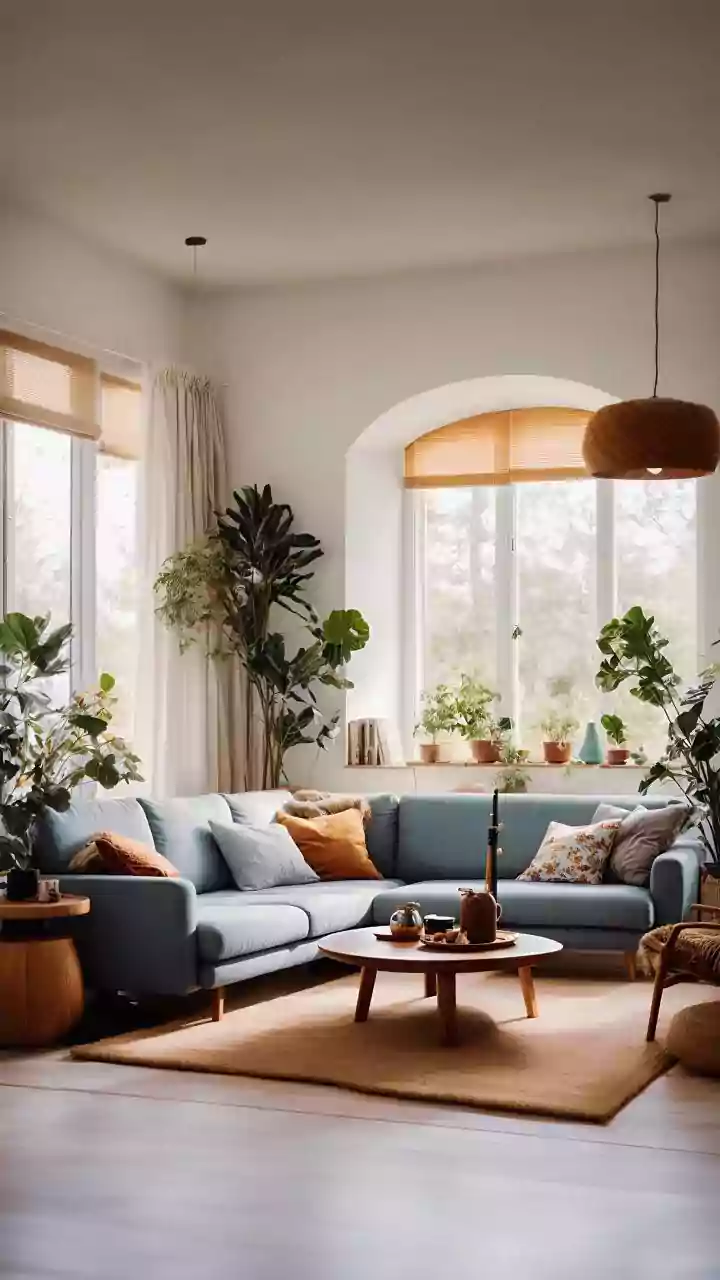
Controlling light doesn't have to involve a major renovation. The simplest solutions are often the most effective. Curtains and blinds are the first line of defence. Layering is a powerful technique; use sheer curtains to diffuse harsh light and reduce glare during the day, while keeping a set of thicker or blackout curtains for privacy and blocking heat when needed. Blinds offer more precise control, allowing you to tilt the slats to redirect light upwards towards the ceiling, which then diffuses it softly throughout the room. Another easy fix is strategic placement. Reflective surfaces like mirrors can be used to bounce light into darker corners of a room, but be mindful not to place them where they will reflect direct sun into your eyes.
Lessons from Traditional Indian Architecture
Long before smart glass and automated blinds, Indian architecture had mastered the art of climate-responsive design. Traditional elements were designed to filter light and encourage ventilation, keeping homes cool in scorching summers. The 'jaali', or latticed screen, is a prime example. These intricate screens, made of stone or wood, break up direct sunlight into soft, dappled patterns, reducing heat and glare while allowing air to circulate. Similarly, deep verandahs and central courtyards ('aangans') act as buffer zones. Verandahs shade the main walls of the house from the high sun, while courtyards help vent hot air and bring diffused light into the core of the home, a principle architects still use today.
Smarter Design and Modern Materials
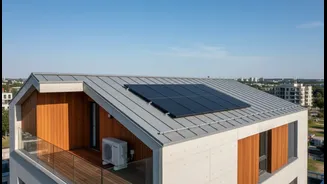
For those building a new home or undertaking a renovation, architectural solutions offer more permanent control. Daylighting is the practice of designing a building to harness natural light effectively. This can involve placing larger windows on the north and south facades, which receive more consistent, less harsh light than the east or west. Exterior overhangs or 'chajjas' can be precisely calculated to block the high summer sun while allowing the lower winter sun to enter and warm the space. Inside, a light shelf—a horizontal surface placed high on a window—can bounce daylight deep into a room, illuminating the ceiling and reducing the need for artificial light. The type of glass used is also critical. Low-emissivity (Low-E) or reflective films can block a significant amount of heat and UV radiation without sacrificing the view.
The High-Tech Approach to Light
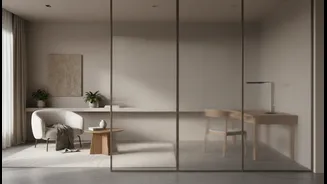
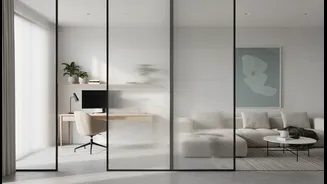
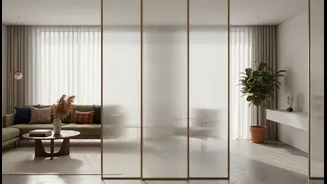
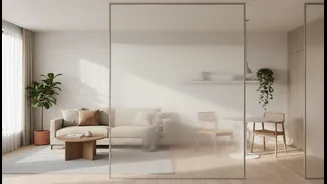
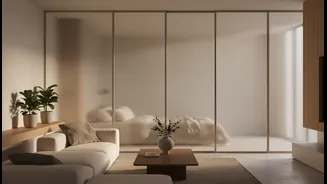
Technology offers the ultimate level of convenience in light management. Motorised blinds and shades can be controlled with a remote, an app, or even voice commands. You can schedule them to close during the hottest part of the afternoon or open automatically to wake you with the morning sun. This is particularly useful for hard-to-reach windows or for creating a 'lived-in' look for security when you're away. The next frontier is dynamic or 'smart' glass, which can change its tint electronically. This technology allows you to adjust the transparency of your windows on demand, going from perfectly clear to opaque to block heat and glare, offering a seamless blend of technology and comfort.