





The New Race to Lunar Real Estate
Forget flags and footprints. The modern push to the Moon is about establishing a permanent, sustainable human presence. It’s a strategic play for scientific discovery, potential resource utilization, and a crucial stepping stone for eventual missions
to Mars. NASA is leading this charge with its Artemis program, a U.S.-led initiative to return astronauts to the lunar surface. But it’s not going alone. The agency is building a global coalition, and in the high-stakes game of deep-space exploration, choosing your partners is everything. This is where India’s formidable and famously frugal space agency, the Indian Space Research Organisation (ISRO), enters the picture in a major way.
A Partnership Proven in Orbit
The trust between NASA and ISRO isn't new; it was forged in the success of major joint projects. The prime example is the NISAR (NASA-ISRO Synthetic Aperture Radar) satellite, a sophisticated Earth-observation mission that launched in 2025. By combining NASA's and ISRO's advanced radar systems, the satellite provides an unprecedented, all-weather view of our planet's complex processes, from melting ice sheets to the aftermath of natural disasters. The successful collaboration on this high-tech, billion-dollar mission served as a powerful proof of concept, demonstrating that the two agencies could effectively pool their expertise to achieve ambitious scientific goals. This established track record set the stage for a much deeper collaboration beyond Earth's orbit.
India Joins the Artemis Club
A pivotal moment came in June 2023, when India officially signed the Artemis Accords, becoming the 27th nation to do so. The Accords are a set of non-binding principles, grounded in the 1967 Outer Space Treaty, that outline best practices for peaceful, transparent, and sustainable civil space exploration. For the U.S., getting a democratic space power like India on board was a major strategic win, strengthening the international coalition behind its vision for lunar governance. For India, signing was a declaration of its intent to be a key player in the next era of exploration, ensuring its own ambitious space programs would be compatible with emerging global standards and avoiding technological isolation. This agreement laid the formal groundwork for what was to come next.
The Invitation: Building a Moon Base
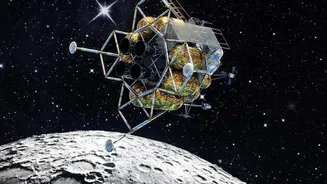
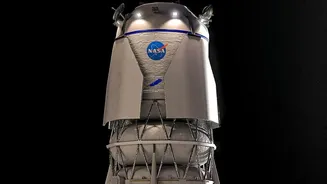
In August 2026, the partnership took a giant leap forward. During a joint working group meeting in Bengaluru, NASA formally invited ISRO to participate in its Moon Base program. This isn't just another mission; it's an invitation to help build humanity's first permanent off-world outpost. The plan involves establishing a long-term habitat near the Moon’s South Pole, a region believed to hold significant deposits of water ice in its permanently shadowed craters. This water could be a game-changer, providing everything from drinking water for astronauts to hydrogen and oxygen for rocket fuel. The multi-phase project aims to first establish reliable access and then deploy infrastructure like habitats, power systems, and rovers over the next decade.
From Missions to Lasting Infrastructure
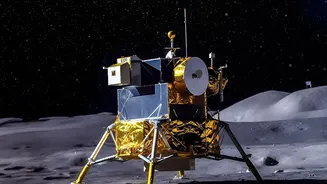
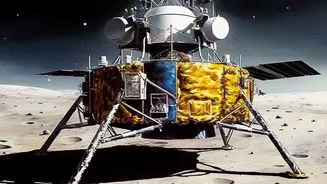
The shift from one-off missions to permanent infrastructure is the core of this new lunar vision. It’s the difference between camping and building a city. This long-term thinking involves creating shared systems for power, communication, and landing, reducing costs and complexity for all partners. India’s participation is highly sought after; ISRO is renowned for its cost-effective engineering and proven ability to succeed in complex missions, as demonstrated by its historic Chandrayaan-3 landing near the lunar south pole. For India, this collaboration provides access to NASA's cutting-edge technology and decades of experience, accelerating its own goals of a crewed lunar landing by 2040 and an Indian space station by 2035. For NASA, it brings a resourceful and reliable partner into the fold, strengthening the Artemis coalition and quickening the pace of lunar development.