



An Annual Urban Nightmare
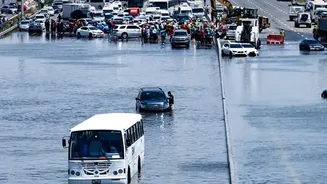
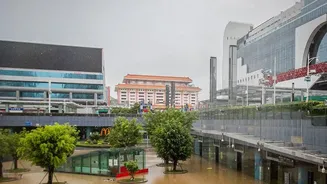
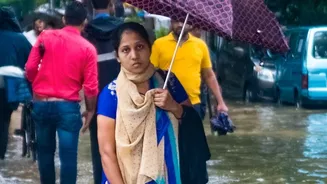
For millions living in cities like Mumbai, Delhi, Bengaluru, and Kolkata, the monsoon has become a season of anxiety. What should be a period of relief from summer heat often turns into a struggle for survival and mobility. Scenes of commuters wading
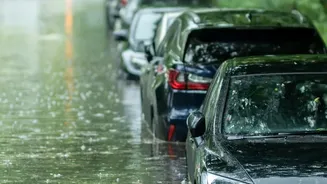
through knee-deep water, submerged vehicles, and overflowing sewers are an annual fixture. This recurring problem paralyses economic activity, damages property, and poses significant public health risks due to waterborne diseases. The issue is not confined to megacities; smaller urban centres across the country also face severe waterlogging, sometimes after only moderate rainfall, highlighting a systemic failure in urban planning and management.
More Than Just Heavy Rain
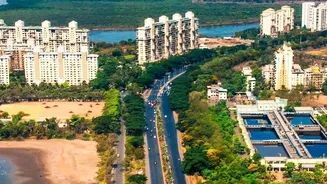
While climate change has led to more intense and erratic rainfall, blaming the weather alone is a mistake. The root of urban flooding lies in decades of rapid, unplanned urbanisation. As cities have expanded horizontally, concrete has replaced soil, preventing rainwater from being naturally absorbed into the ground. This relentless construction has also come at the cost of natural water bodies. Lakes, wetlands, ponds, and mangroves, which act as natural sponges and reservoirs for excess water, have been encroached upon or filled in to make way for buildings and infrastructure. This combination of increased surface runoff and the disappearance of natural drainage channels means that when heavy rain falls, the water has nowhere to go.
The Choked Arteries of the City
At the heart of the problem are India's outdated and inadequate stormwater drainage systems. Many of these networks were designed decades ago for much smaller populations and less intense rainfall patterns. According to a 2019 government estimate, only about 20% of India's urban road network is covered by stormwater drains. These systems are often poorly maintained and clogged with silt, plastic waste, and construction debris, drastically reducing their capacity to carry water. In many cities, stormwater drains are also illegally used to carry raw sewage, further complicating their function and maintenance. This neglect turns the city's essential arteries into choked, ineffective channels during the critical monsoon months.
What 'Better Drainage' Truly Means
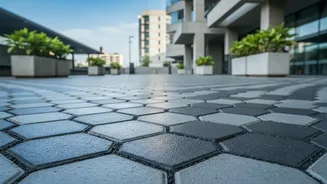
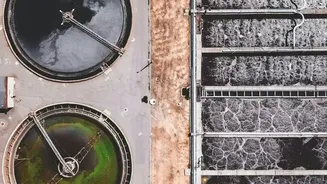
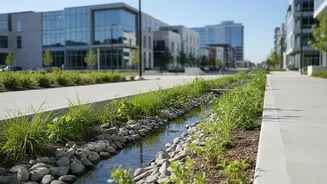
Making a case for better drainage goes far beyond simply building bigger concrete pipes. A modern, resilient approach requires a complete overhaul of how we manage rainwater in cities. This involves creating what experts call 'blue-green infrastructure'—a network of natural and semi-natural areas. This can include building permeable pavements that allow water to seep through, creating rain gardens and bioswales along roadsides to absorb runoff, and most importantly, reviving and protecting urban lakes and wetlands. A comprehensive plan must also ensure that stormwater systems are kept separate from sewage lines to prevent contamination and improve efficiency. Proper solid waste management is equally critical to prevent the constant clogging that renders drains useless.
The High Cost of Inaction
Failing to address the drainage crisis is not just an inconvenience; it carries a staggering economic and human cost. A World Bank report has projected that without intervention, annual losses from stormwater-related flooding in Indian cities could reach $5 billion by 2030. Beyond the financial impact, floods disrupt livelihoods, damage critical infrastructure like power and water supply, and displace vulnerable communities. The recurring cycle of flooding and recovery traps cities in a reactive mode, constantly repairing damage instead of investing in long-term resilience. The social and psychological toll on citizens who face this uncertainty year after year cannot be overstated.