





The Backlash Against Burnout
The fitness world has long been dominated by the high-intensity interval training (HIIT) philosophy, where short bursts of maximum effort promise quick results. While effective, this all-or-nothing approach is also a recipe for fatigue, overtraining,
and potential injury for many. A growing number of fitness enthusiasts are now seeking a more sustainable path, one that builds health and endurance without the constant physical and mental stress. This has opened the door for a less intense but profoundly effective style of training to take centre stage, shifting the focus from short-term intensity to long-term consistency and health.
Decoding Zone 2 Cardio
So, what exactly is this buzzword, 'Zone 2'? In a five-zone model of exercise intensity, Zone 2 is a low-to-moderate effort, typically 60-70% of your maximum heart rate. The easiest way to gauge it without a heart rate monitor is the 'talk test'. In Zone 2, you should be able to hold a full conversation without gasping for air. If you can sing, you're likely in Zone 1; if you can only get out a few words, you've pushed into Zone 3 or higher. This 'conversational pace' is the sweet spot where your body becomes incredibly efficient at using fat for fuel and building a powerful aerobic base.
Why the Rower is a Perfect Match
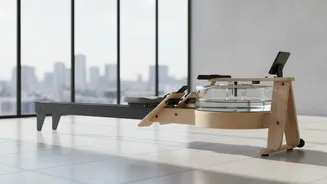
Any cardio can be adapted for Zone 2, but the rowing machine has emerged as a particularly popular choice. Unlike running, rowing is a low-impact exercise, making it much gentler on the joints. This allows for the longer sessions—often 30 to 60 minutes or more—that are ideal for Zone 2 without the repetitive strain. Moreover, rowing provides a true full-body workout, engaging up to 85% of the body's muscles, from your legs and core to your back and arms. This combination of a full-body, low-impact workout makes it an exceptionally efficient and effective tool for sustained, steady-state cardio.
The Science-Backed Benefits
The magic of Zone 2 training happens at a cellular level. This type of exercise is particularly effective at improving the number and efficiency of your mitochondria—the powerhouses of your cells that generate energy. More efficient mitochondria mean your body gets better at using fat for fuel, clearing lactate, and producing energy, which enhances your endurance for all activities. Over time, consistent Zone 2 work builds a robust aerobic base, improves cardiovascular health, boosts metabolic function, and can even contribute to longevity. It also improves recovery, allowing you to get more out of your higher-intensity workouts when you do them.
Finding the Right Balance
This trend doesn't mean you should cancel your HIIT membership. High-intensity training remains one of the best ways to improve top-end fitness and power. The shift isn't about replacing HIIT entirely, but about rebalancing the fitness equation. Experts suggest a polarized model of training, where about 80% of your cardio is low-intensity (like Zone 2) and 20% is high-intensity. By building a strong foundation with Zone 2 training, your body becomes more resilient and better prepared to handle the stress of HIIT, ultimately making those intense sessions more effective and reducing the risk of burnout. It's about training smarter, not just harder.
Getting Started with Zone 2 Rowing
Ready to give it a try? First, estimate your Zone 2 heart rate. A simple method is to take 220, subtract your age, and then calculate 60-70% of that number. Once on the rower, focus on maintaining a steady pace and smooth technique. A good starting goal for many is to accumulate 150 minutes of Zone 2 cardio per week, which could be broken into three or four 45-minute sessions. Don't focus on speed or distance at first; the goal is to maintain that conversational effort for a sustained period. It might feel surprisingly easy initially, but the long-term benefits are what make this trend a true game-changer for sustainable fitness.