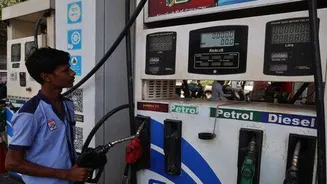







The Most Immediate Pain: Your Fuel Bill
The most direct and visible impact of rising global crude prices is on the retail prices of petrol and diesel. As India is heavily dependent on imports, any increase in the cost of the Indian Crude Basket—a benchmark of what refiners pay—eventually gets
passed on to the consumer. While the government can temporarily absorb some of the shock by cutting excise duties, this comes at the cost of its own revenue, creating a difficult policy choice. A sustained period of high crude prices almost inevitably means costlier fuel, which is often the first domino to fall in a larger economic chain reaction.
The Knock-On Effect: Wider Inflation
Higher fuel costs don't just affect vehicle owners; they drive up inflation across the board. Diesel is the lifeblood of India's logistics and transport network, powering the trucks that carry everything from fresh vegetables to factory goods. When transportation becomes more expensive, those costs are embedded in the final price of almost every product you buy. This is why the Reserve Bank of India (RBI) watches crude prices so closely, as a sustained oil shock can fuel broader inflation, potentially prompting interest rate hikes to cool the economy.
The Big Picture: Pressure on the Rupee and CAD
On a macroeconomic level, expensive oil strains the nation's finances. Since India pays for its oil imports in U.S. dollars, a rising crude price inflates the import bill. This widens the Current Account Deficit (CAD), which is the gap between the country's foreign exchange earnings and its expenditures. A wider CAD can put downward pressure on the Indian rupee, making all imports, not just oil, more expensive. Economists estimate that for every $10 increase in the price of crude oil per barrel, India's CAD can widen by 0.3-0.4 per cent of GDP.
A Headache for the Government's Budget
For the government, high oil prices create a three-pronged dilemma. First, there is pressure to cut fuel taxes to provide relief to citizens, which reduces government revenue. Second, higher prices can increase the subsidy bill for items like LPG cylinders. Third, the overall economic slowdown that can result from an oil shock can lead to lower tax collections. This combined pressure on the fiscal deficit means the government may have less money to spend on infrastructure projects, social schemes, and other critical areas that drive growth.
Which Industries Feel the Heat Most?
While the entire economy is affected, some sectors are on the frontline. The aviation industry is hit particularly hard, as aviation turbine fuel can account for up to 40% of an airline's operating costs. Companies in the paints, chemicals, plastics, and fertiliser industries also face a margin squeeze because crude oil derivatives are a key raw material for them. On the other hand, domestic oil exploration and production companies, like ONGC and Oil India, can benefit from higher prices, though this is often moderated by windfall taxes imposed by the government.