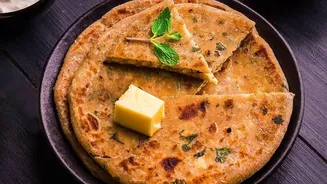



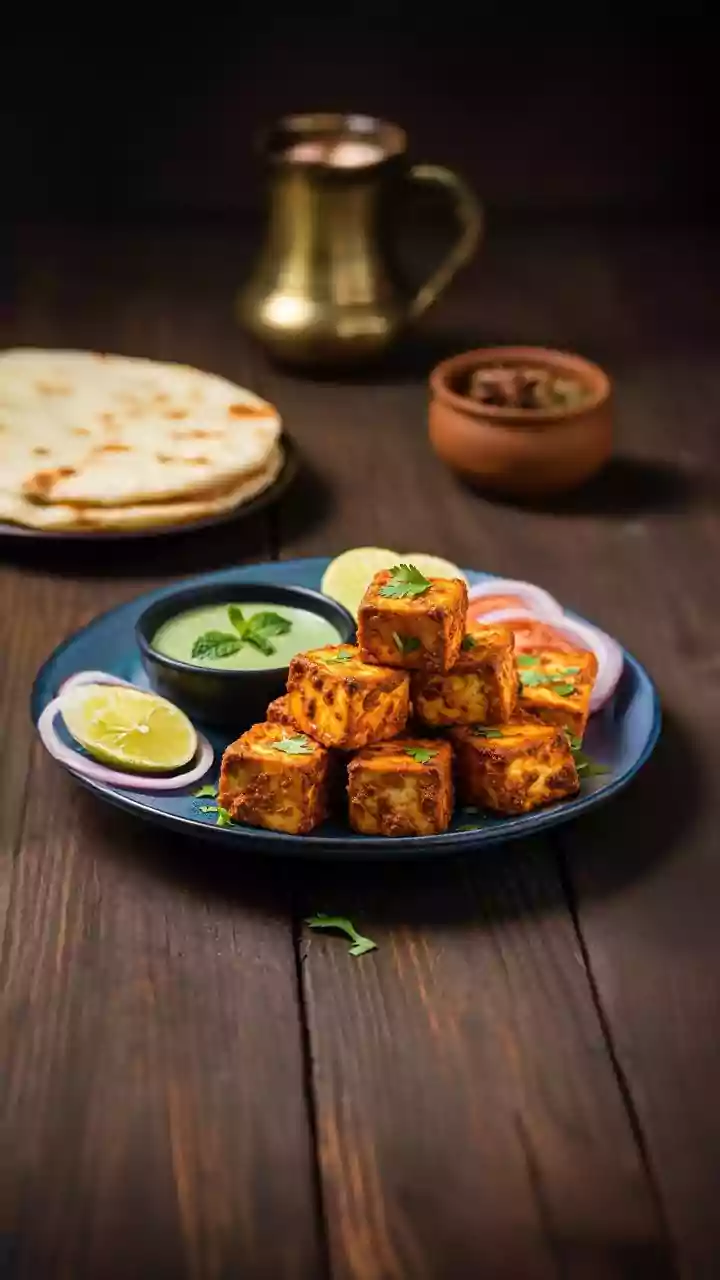



The Reshmi Paratha, a beloved flatbread with Mughlai roots, is known for its silky-smooth texture. While often associated with rich meat or paneer fillings, it becomes a wholesome, vibrant meal when packed with a medley of vegetables.
Understanding the 'Reshmi' Touch
The word 'reshmi'
translates to 'silk' in Hindi and Urdu, a name that perfectly captures the essence of this dish. Its signature smooth and tender quality comes from a rich marinade traditionally made with cream (malai), yogurt, and a paste of ground nuts like cashews. This creamy binder is what sets it apart from other stuffed parathas, giving the filling a luscious, melt-in-your-mouth texture. This recipe adapts that classic creamy element to create a beautiful vegetable-stuffed paratha that is both indulgent and packed with nutrients.
Crafting the Perfect Soft Dough
The foundation of any great paratha is a soft, pliable dough. An overly stiff dough will be difficult to roll and can lead to the filling tearing through. For about 8 parathas, you will need 2 cups of whole wheat flour (atta), half a teaspoon of salt, and a tablespoon of oil or ghee. In a large bowl, combine the flour and salt. Add the oil and mix it in with your fingertips. Then, slowly add warm water—starting with about three-quarters of a cup—and knead until you form a soft, smooth dough that isn't sticky. Knead for 5-7 minutes, then cover the dough with a damp cloth and let it rest for at least 20-30 minutes. This resting period is crucial as it allows the gluten to relax, making the dough much easier to roll out.
The Versatile Vegetable Filling
This is where you can get creative. A classic combination includes finely chopped or grated vegetables like carrots, cauliflower, beans, and peas. Boiled and mashed potatoes act as a great binder. To prepare the filling, heat a tablespoon of oil in a pan and add a teaspoon of cumin seeds. Once they splutter, add finely chopped onion, ginger, and garlic, and sauté until fragrant. Then, add your chopped vegetables (about 2 cups total) and cook until they are tender. Add the mashed potatoes, along with spices like half a teaspoon of turmeric powder, a teaspoon of red chilli powder, and a teaspoon of garam masala. Cook the mixture for a few more minutes until any excess moisture has evaporated, as a dry filling is key to preventing the parathas from breaking. Finish with a sprinkle of fresh coriander and let the mixture cool completely.
Bringing It All Together
Once the vegetable filling has cooled, it's time to assemble the parathas. Divide both the dough and the filling into equal_sized portions. Take a ball of dough and flatten it with your fingers into a small disc, about 4_5 inches in diameter. Place a ball of the vegetable filling in the centre. Carefully gather the edges of the dough up and around the filling, pinching them together at the top to seal it completely, much like a dumpling. Remove any small bit of excess dough at the top. Gently flatten the stuffed ball with your palm. Lightly dust your work surface and the dough ball with flour and begin to roll it out gently. Apply even, light pressure to avoid tearing the dough. Roll it into a circle about 6_7 inches wide.
Cooking to Golden Perfection
Heat a tawa or a flat_bottomed frying pan over medium_high heat. Place the rolled paratha on the hot tawa and cook for about a minute, or until you see small bubbles start to form on the surface. Flip it over and let the other side cook for 30_40 seconds. Now, drizzle about a teaspoon of ghee or oil around the edges and on top of the paratha. Flip it again and use a spatula to gently press down on the paratha, encouraging it to puff up. Cook until both sides have golden_brown spots and are cooked through. The paratha should be crisp on the outside but remain soft. Repeat the process for the remaining parathas, keeping the cooked ones warm in a covered container or wrapped in foil. Serve hot with a side of plain yogurt, pickle, or a fresh raita.