




Hanle, Ladakh: India’s Official Celestial Sanctuary
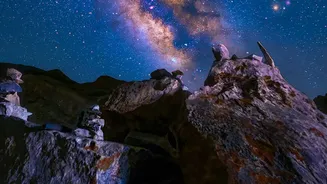
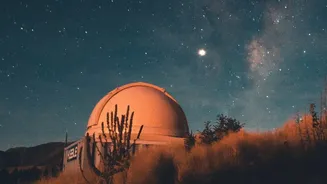
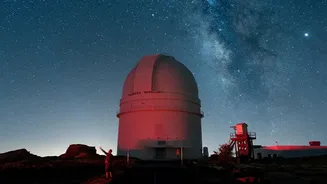
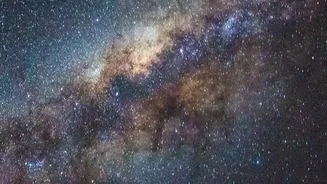
Topping any list of astronomical sites is Hanle in Ladakh, home to India's first-ever Dark Sky Reserve. Located in the remote Changthang plateau at an altitude of over 14,000 feet, the conditions here are near-perfect. The dry, cold air and minimal light
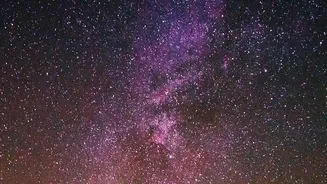
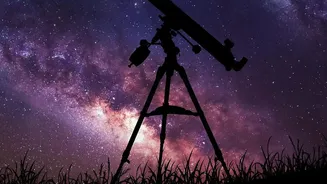
pollution create exceptionally clear skies, allowing for jaw-dropping views of the Milky Way, distant galaxies, and nebulae. The area, covering a 22-kilometre radius around the Indian Astronomical Observatory, is protected to preserve this darkness. Local villagers, trained as 'Astronomy Ambassadors', even offer guided tours with telescopes, making it a unique, community-driven astro-tourism hub. The best time to visit is between June and September for clear skies and manageable temperatures.
Spiti Valley, Himachal Pradesh: A High-Altitude Desert Dream
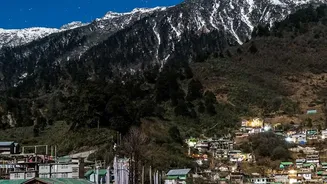
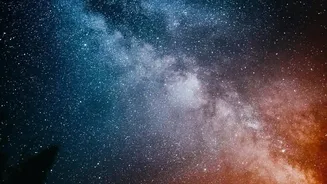
Spiti Valley is a cold desert where the stark, dramatic landscape is matched only by the brilliance of its night sky. Remote villages like Kaza, Langza, and Kibber, all situated above 4,000 metres, offer some of the darkest skies in the country with virtually zero light pollution. Between May and October, the weather is favourable for stargazing, with the Milky Way’s core being brilliantly visible on clear, moonless nights. Many local homestays cater to stargazers, providing rooftop access for an unforgettable experience. Imagine sipping hot tea, wrapped in a warm blanket, while watching meteor showers streak across a sky crowded with stars—that is the magic of Spiti.
Rann of Kutch, Gujarat: A Cosmic Reflection on Salt
For a truly surreal stargazing experience, head to the Great Rann of Kutch. This vast white salt desert offers an unobstructed, 360-degree view of the heavens. The flat, featureless landscape means there's nothing between you and the horizon, creating a stunning cosmic panorama. During the Rann Utsav, which typically runs from November to February, the dry winter air ensures crystal-clear nights. While a full moon bathes the white salt in an ethereal glow, a new moon night reveals the Milky Way in all its glory, seeming to stretch from one end of the earth to the other over the silent desert. Many desert camps in the area offer stargazing as part of their experience.
Coorg, Karnataka: The Western Ghats’ Starry Secret
You don’t have to venture into high-altitude deserts for a glimpse of the galaxy. Nestled in the Western Ghats, Coorg in Karnataka has emerged as a fantastic destination for stargazers in South India. Away from the town centres, the region's coffee plantations and lush hills provide a dark, peaceful environment with low light pollution. The air is exceptionally clear after the monsoons and during the winter months. There are even dedicated observatories and 'astro-camps' in the area, like Starscapes, that offer guided sessions with powerful telescopes, allowing you to see Saturn's rings and distant star clusters. It's an accessible getaway for those seeking a celestial experience amidst verdant nature.
Neil Island, Andamans: A Tropical View of the Galaxy
Stargazing by the sea offers a unique sense of wonder, and Neil Island (Shaheed Dweep) in the Andamans is a prime spot for it. Its remote location in the Bay of Bengal means it's far from the light pollution of the mainland, resulting in incredibly dark skies. Picture yourself on a quiet beach like Sitapur, listening to the gentle sound of waves as the Milky Way rises over the ocean horizon. The best time to visit for clear skies is between November and April. While some reports mention rising light pollution in more populated Andaman areas, remote spots on islands like Neil and Havelock still offer a breathtaking window to the cosmos.