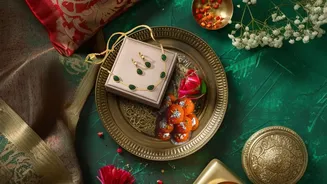







Every festive season, Indian homes are filled with joy, family, and a familiar pile of gifts. But a quiet revolution is underway as households are now favouring practicality over grandeur, leading to less clutter and more thoughtful exchanges.
The Unspoken Burden of Gifts
For generations,
gifting in India has been an integral expression of love, respect, and social connection. Festivals like Diwali, weddings, and birthdays are marked by a vibrant exchange of presents. However, this tradition often comes with a hidden cost: clutter. Many households tell a similar story of cupboards filled with duplicate dinner sets, drawers overflowing with unused decorative items, and boxes of sweets passed from one home to another in a cycle of re-gifting. In urban homes where space is a premium, these well-intentioned but often generic gifts can become a source of stress. The annual Diwali cleaning frequently unearths last year's presents, untouched and forgotten, highlighting a disconnect between the gesture and its utility. This accumulation has prompted a rethink of our gifting culture.
A New Mindset: Minimalism and Intentionality
A growing consciousness around minimalism and mindful consumption is reshaping attitudes. More Indians, particularly younger generations, are embracing the 'less is more' philosophy, not as a Western trend, but as a practical solution to modern life. This mindset encourages decluttering and prioritising items that are either genuinely useful or hold deep sentimental value. The focus is shifting from the sheer quantity or opulence of a gift to its thoughtfulness and purpose. This change is also driven by a heightened awareness of sustainability. The excessive, often non-recyclable packaging that accompanies many traditional gifts is seen as wasteful, prompting a move towards more eco-friendly alternatives. People are asking if a gift adds value to the recipient's life or simply contributes to a landfill.
What Makes a Gift 'Practical'?
Practical gifting is not about being impersonal; it is about being considerate. It moves beyond the default box of sweets or generic décor. A 'practical' gift is one that the recipient truly needs, wants, or will experience with joy. This can take many forms. Financial contributions, such as cash in an elegant envelope or digital gold bonds, offer flexibility and contribute to the couple's future during weddings. High-quality essentials that the recipient will use daily, like premium linens, a durable kitchen appliance, or sustainable personal care products, are also gaining popularity. The key is utility. Rather than another decorative object, many now prefer a gift that solves a problem or enhances their daily routine. The most practical gift is often the one that has been explicitly asked for, removing guesswork and guaranteeing satisfaction.
The Rise of Experiential Gifting
One of the most significant shifts has been towards gifting experiences rather than objects. These gifts create memories without taking up physical space. Vouchers for a fine dining restaurant, a relaxing spa day, a weekend getaway, or a subscription to a streaming service are becoming increasingly common. For those with specific interests, a cooking class, a pottery workshop, or tickets to a concert can be far more meaningful than a material item. These experience-based presents align perfectly with the desire for a clutter-free life, offering enjoyment and enrichment instead. Companies like Tinggly, Gifting Owl, and WonderGifts now offer curated experience packages across India, making it easier than ever to gift a memorable adventure.
Navigating the Conversation
Adopting this new approach can sometimes require delicate conversations, especially with older family members who are accustomed to more traditional forms of gifting. The key is to frame the preference for practical gifts not as a rejection of their affection, but as a desire for more mindful and useful presents. Creating a gift registry for a wedding or a baby shower is a straightforward way to guide guests. For other occasions, gently expressing a need for a specific item or a preference for an experience can prevent unwanted gifts. It's a gradual cultural shift, but one that ultimately honours the core tenet of gifting: to bring joy and value to the recipient's life.