




The Science of Fluffy vs. Sticky
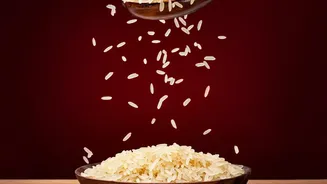
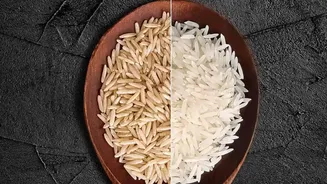
The texture of any cooked grain is primarily determined by the ratio of two starches: amylose and amylopectin. Grains high in amylose, a long and straight starch molecule, cook up into separate, fluffy kernels. Long-grain rice like basmati is a perfect
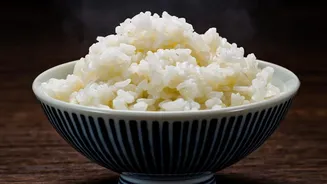
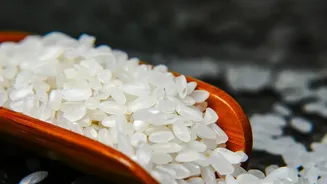
example. Conversely, grains rich in amylopectin, a highly branched molecule, become sticky and creamy when cooked because this starch gelatinizes. Short-grain sushi rice and Arborio rice used for risotto fall into this category. Understanding this fundamental difference is the first step. You don't want to use the same method for basmati that you would for risotto; the goals are entirely different. One seeks separation, while the other requires the release of starches to create a creamy, cohesive dish.
To Rinse or Not to Rinse?
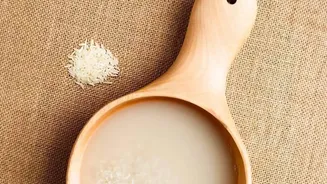
Rinsing grains before cooking is a crucial step, but its purpose varies. For high-amylose grains like basmati, rinsing washes away excess surface starch, which is key to preventing clumping and achieving those coveted separate grains. For other grains, like quinoa, rinsing is non-negotiable for a different reason: it removes saponins, a natural coating that can impart a bitter or soapy taste. Even if a package says the quinoa is pre-rinsed, an extra wash under running water is a good insurance policy against bitterness. For sticky rice varieties, you might do a very light rinse or none at all, as you want to preserve the starchy surface that contributes to the final texture.
Mastering Long-Grain Rice
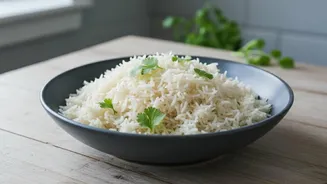
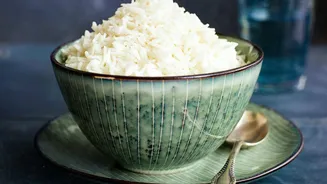
For perfectly fluffy basmati or jasmine rice, three things are critical: the right ratio, no stirring, and a resting period. Most experts now agree that the old 2:1 water-to-rice rule is excessive for modern long-grain rice. A ratio of 1.5 cups of water to 1 cup of rice is the gold standard for the absorption method. Some cooks even toast the rinsed grains in a little oil or ghee for a minute before adding water to further ensure separation. Once the water is added and brought to a boil, cover the pot, reduce the heat to a low simmer, and walk away. Do not lift the lid. After about 13-15 minutes, turn off the heat and let the pot stand, still covered, for another 10 minutes. This resting period allows the steam to finish cooking the grains gently, resulting in a perfectly tender, non-sticky texture. Fluff with a fork, never a spoon, to separate the delicate grains.
Perfecting Quinoa and Other Grains
Quinoa often ends up mushy because cooks use too much water. Much like with rice, the common 2:1 ratio of liquid to grain is often the culprit. A 1:1 ratio is a much better starting point for achieving a fluffy texture. After thoroughly rinsing the quinoa, try dry-sautéing it in the pot for a few minutes. This step toasts the grains slightly, adding a nutty flavour and helping them dry out, which leads to a fluffier end result. Once the water is absorbed, let it rest off the heat, covered, for at least 5 minutes before fluffing. For chewier, hardier grains like farro or wheat berries, the technique is different. These grains benefit from being cooked more like pasta. Use a generous amount of salted boiling water and cook them until tender, which can take anywhere from 30 minutes to over an hour. Once they reach your desired chewiness, simply drain off the excess water. A pre-soak of several hours can significantly reduce the cooking time for these tougher grains.