



The Monsoon's Magic Touch
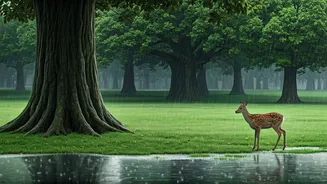
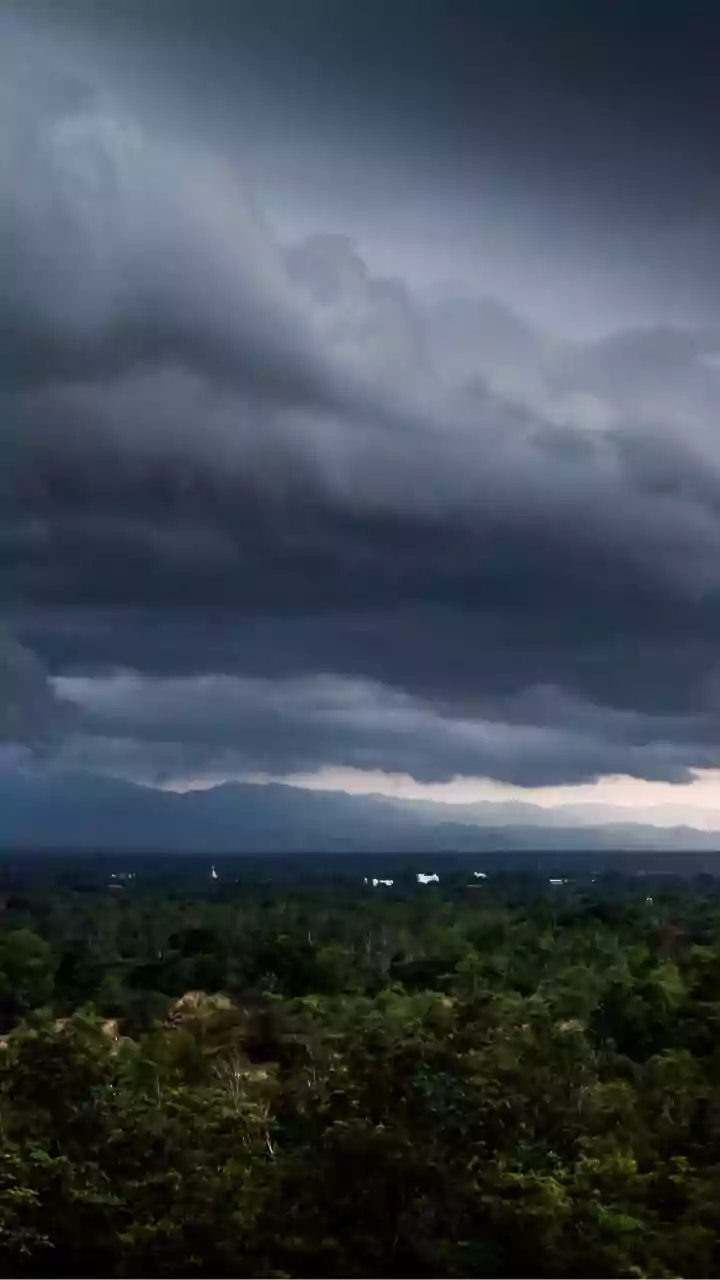
July is a month of rebirth for India's woodlands. After the scorching heat of summer, the monsoon rains act as a life-giving force, washing the dust from leaves and soaking into the parched earth. This sudden abundance of water triggers a chain reaction.
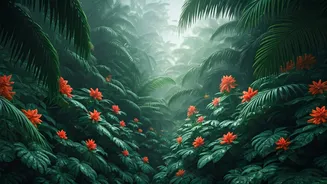
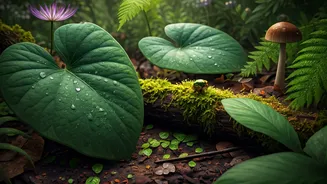
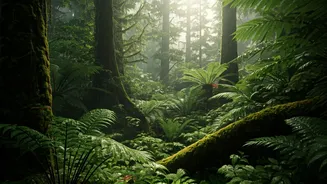
Dormant seeds germinate, dry streams begin to flow, and the entire landscape sheds its brown and grey palette for a thousand shades of green. This revival isn't just visual; it's a sensory explosion. The humidity carries the rich scent of petrichor and decaying leaves, a perfume unique to this season. The forest floor becomes a soft carpet of moss and new growth, and the entire ecosystem shifts into a higher gear, setting the stage for a flurry of activity.
A Symphony of Insects
The most immediate and obvious sign of life is the sound. The drone of cicadas becomes the season's anthem, a high-pitched hum that fills the air from dawn till dusk. These insects emerge from their long slumber underground specifically for this season of plenty. As night falls, a different kind of magic appears with the flickering lights of fireflies. The monsoon also brings out a dazzling variety of beetles and moths, their activity escalating after rain spells. Earthworms, snails, and crabs venture out from their waterlogged homes, providing a crucial food source for other animals and completing an important link in the revitalised food chain.
The Chorus of Amphibians
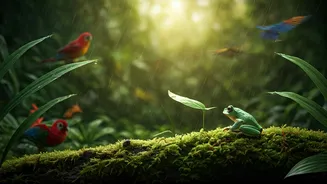
If cicadas rule the day, frogs and toads own the night. The monsoon is their prime time for romance and reproduction. Puddles, ponds, and streams become concert halls for a cacophony of croaks, chirps, and calls as males advertise their health and fitness to potential mates. Species like the Indian Bullfrog emerge from hibernation, and the increased availability of insects provides a feast. In the dense forests of the Western Ghats, you might even find unique species like the Malabar Gliding Frog, which builds foam nests on branches overhanging water. The presence and volume of these amphibian choirs are often seen as indicators of a healthy, thriving ecosystem.
Feathered Friends in the Rain
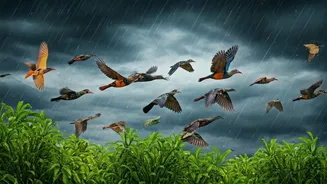
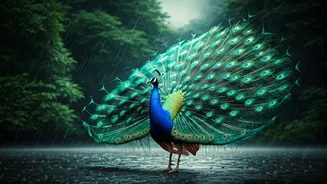
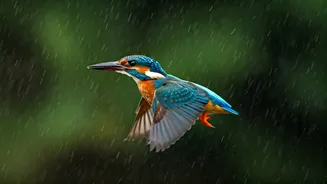
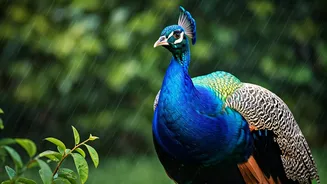
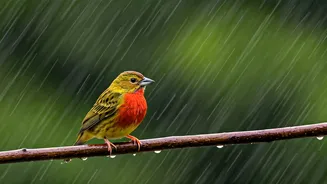
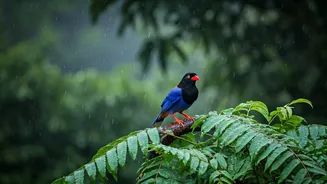
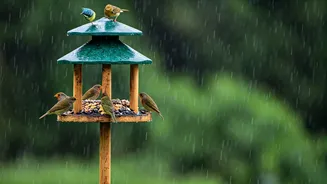
While many assume birds hide from the rain, for many Indian species, the monsoon is a time of great activity. It's a critical breeding season, timed perfectly with the explosion of insect life that provides abundant food for their young. The Jacobin Cuckoo, often called the 'Chatak' bird, is a famous monsoon migrant, its arrival from Africa said to herald the coming of the rains. Other birds like the Indian Pitta, nicknamed the “nine-coloured bird,” also nest during this period. You'll also see species like the Indian Paradise Flycatcher, with the male's dramatic long tail, actively hunting insects in the lush, green canopy.
A Carpet of Green and Gold
The flora responds to the rain with an almost visible sigh of relief. The landscape becomes lush and verdant as plants with small root systems, which lay dormant in summer, spring to life. Native grasses and plants like vetiver and wild turmeric sink their roots deep, holding the soil and preventing erosion on slopes. It's also a time for flowers. While some famous valleys of flowers bloom later, July sees its own share of blossoms. Gulmohar trees may still show their fiery orange-red blooms in the early monsoon. Fragrant jasmine and plumeria bloom profusely, their scents mingling with the wet air, while hardy marigolds add splashes of gold to the green canvas.