




Beyond a Single Monstera
For years, the ideal home jungle was curated and controlled. A single, dramatic Monstera deliciosa in a minimalist pot. A statuesque fiddle-leaf fig standing sentinel in a spare corner. The aesthetic was clean, architectural, and frankly, a little lonely.
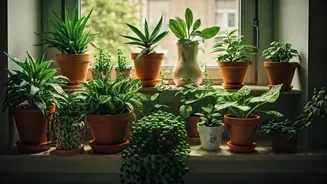
But a warmer, more generous trend is taking root. Enter 'Grandma Garden' style. It’s the antithesis of plant-as-sculpture. This is about abundance, nostalgia, and a touch of organised chaos. Think of your grandmother’s windowsill, crowded with mismatched terracotta pots, each spilling over with life. It’s less about a single 'flex' and more about a collection that tells a story of care, time, and propagation. This isn’t a look you buy in one trip to the nursery; it’s a living tapestry you grow over seasons.
The Philosophy of Abundance
At its heart, the Grandma Garden style is a philosophy of 'more is more.' It’s about the joy of nurturing and the beauty of imperfection. A yellowing leaf isn't a sign of failure; it’s part of a natural cycle. A slightly leggy geranium reaching for the sun has character. This approach frees plant parents from the anxiety of pristine perfection. Instead of obsessing over flawless foliage, the focus shifts to creating a vibrant, thriving ecosystem. It’s a style that feels generous and forgiving. It makes room for cuttings gifted by friends, herbs for the kitchen intermingled with bright flowers, and the happy accidents that come from experimenting. This is gardening as a hobby, not as an interior design mandate. The 'flex' comes from the visible love and attention poured into the collection, creating a personal sanctuary that feels deeply authentic and lived-in.
Get the Grandmacore Look
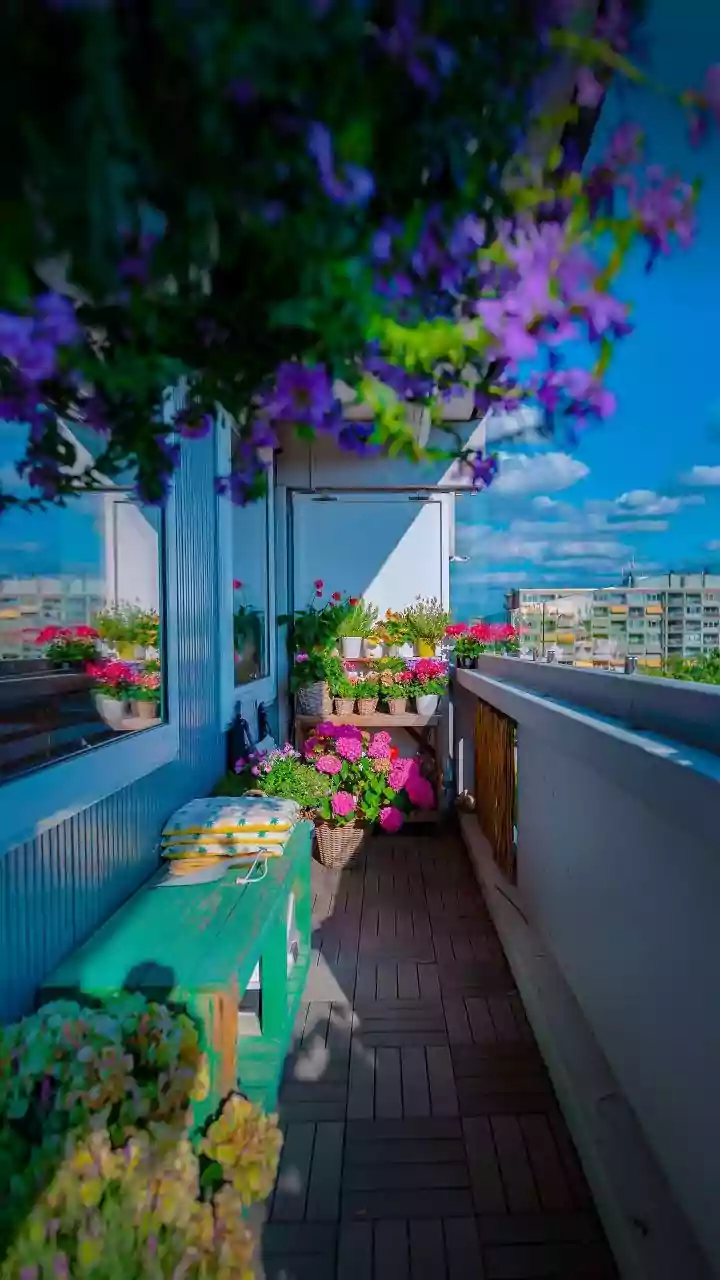
Achieving this cosy aesthetic is more about mindset than money. Start by embracing variety and ditching uniformity. Mix flowers with foliage, and edibles with ornamentals. Classic 'grandma' plants are back in vogue: think vibrant pelargoniums (often called geraniums), cheerful marigolds, trailing ivy, and fragrant herbs like mint and rosemary. Don't be afraid to let things get a little crowded. Group pots of different sizes and heights together on a windowsill, a set of steps, or a simple wooden bench. Scour second-hand shops for mismatched terracotta, ceramic, and enamel pots—the more weathered, the better. Propagate your existing plants to create duplicates and fill out your space. The goal is a sense of lushness and joyful profusion. A key element is letting plants do their thing: let a Pothos trail down a bookshelf, allow a flowering vine to climb a small trellis, and celebrate the beautiful mess of it all.
A Reaction to Cold Perfection
The rise of the Grandma Garden isn't happening in a vacuum. It’s a direct and welcome rebellion against the cool, impersonal minimalism that has dominated design for the past decade. After years of 'sad beige' interiors and the pressure to maintain a picture-perfect, Instagrammable home, many are craving warmth, colour, and personality. This trend provides it in spades. It connects us to a sense of history and tradition, evoking the comforting domestic spaces of our childhoods. In an increasingly digital world, the tactile, hands-on process of potting, watering, and tending to a living collection is a powerful antidote to screen fatigue. It’s a sustainable choice, too, prioritising propagation and reusing old materials over constant consumption. The Grandma Garden is more than just a style; it’s a comforting embrace, a quiet statement that a home is for living in, not just for looking at.