







The End of the Rigid Itinerary
For decades, a trip to Rajasthan meant a meticulously planned schedule, often booked months in advance. It involved a predetermined route covering major forts and palaces, with little room for deviation. Today, that model is being replaced by a more fluid
and personalised approach. Travellers are increasingly seeking authentic experiences over rushed, touristy tours. This shift is powered by a desire to connect more deeply with the destination, moving beyond the checklist of monuments to discover hidden gems, local culture, and unplanned moments of magic. The modern traveller wants to linger over a cup of chai in a village, discover a local artisan, or change their route based on a recommendation, all ofwhich is now more possible than ever.
Accommodation on Your Terms
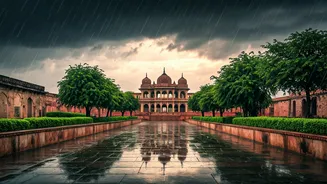
A key driver of this flexibility is the revolution in accommodation. While grand palace hotels remain an iconic part of the Rajasthan experience, they are now complemented by a vast network of boutique hotels, restored havelis, and registered homestays. These smaller, often family-run establishments offer a more intimate and authentic glimpse into Rajasthani life and hospitality. Platforms like Airbnb and other booking sites allow for last-minute reservations and flexible cancellation policies, making it easy to decide on the fly where to stay next. This means you're no longer locked into one city or one type of experience. You can spend a few nights in a luxurious Jaipur villa and then move to a rustic homestay in a quieter neighbourhood to experience the city like a local.
Freedom on the Road
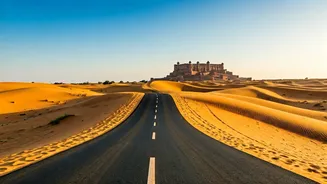
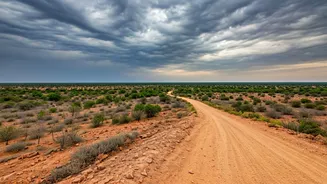
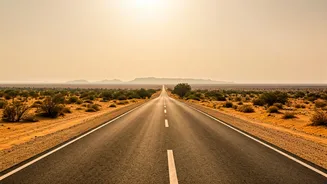
Getting around Rajasthan has also become significantly more flexible. Improved road infrastructure and the growing popularity of self-drive trips give travellers unprecedented control over their journeys. Instead of being tied to the schedule of a tour bus or train, you can rent a car and explore at your own leisure. Another rising trend is caravan tourism, which offers the ultimate freedom to roam. Equipped with beds, a kitchenette, and a washroom, a caravan turns the journey itself into the destination, allowing you to wake up to a desert sunrise or camp near a remote village. For those who prefer not to drive, reliable app-based cab services now connect major tourist hubs like Jaipur, Udaipur, and Jodhpur, making multi-city trips smooth and manageable even without a pre-booked car.
Technology in Your Pocket
Digital technology is the invisible engine powering this new era of travel. Your smartphone is now a powerful tool for spontaneous exploration. The official Rajasthan Tourism app provides reliable, real-time information on attractions, transport, and registered service providers. With AI-powered recommendations, AR navigation, and integrated booking facilities, technology is making travel more seamless and intuitive. Social media platforms like Instagram provide visual inspiration and real-time tips from other travellers, while travel blogs and digital guides help you discover offbeat experiences, from the best street food in Jodhpur to a hidden textile workshop in a village. This digital ecosystem empowers you to make informed, on-the-spot decisions, effectively replacing the need for a rigid, pre-planned guide.
Embracing Experiential Travel
Ultimately, the shift to flexible planning is about prioritizing experiences over sightseeing. Instead of just seeing monuments, travellers want to participate in the culture. This could mean taking a last-minute cooking class to learn how to make bajra roti, joining a heritage walk through a city's old markets at night, or spending an afternoon with local artisans. The flexibility to deviate from a plan allows for these serendipitous moments. Rural tourism initiatives, including farm stays and desert campsites, are also gaining traction, offering immersive cultural encounters away from the crowded cities. By embracing a more adaptable mindset, you open yourself up to a richer, more memorable, and truly personal journey through the vibrant landscapes of Rajasthan.