







Why Humidity Is Food's Worst Enemy
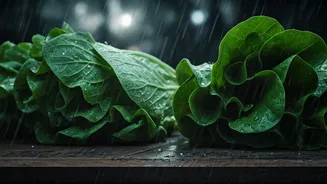
The rainy season's defining feature, high humidity, is the primary culprit behind accelerated food spoilage. Moisture in the air allows microbes, particularly fungi and bacteria, to multiply rapidly. This is why bread develops mould faster, spices lose
their punch and become clumpy, and fresh produce seems to rot overnight. According to the Food Safety and Standards Authority of India (FSSAI), the risk of foodborne illnesses like gastroenteritis, cholera, and diarrhoea increases during this season precisely because these pathogens thrive in damp conditions. Foods that are perfectly fine one day can become contaminated the next, making extra vigilance essential.
Master Your Refrigerator and Freezer
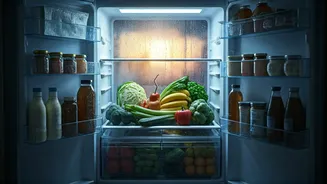
Your refrigerator is your first line of defence, but only if used correctly. Ensure it is set to 4°C or below. Avoid overloading the shelves, as this restricts air circulation and creates warm spots where bacteria can grow. It’s also wise to clean the fridge regularly with a solution of vinegar and water to eliminate hidden bacteria. During a power outage, resist the urge to open the door. A closed refrigerator can keep food safe for about four hours. A full freezer will maintain its temperature for about 48 hours, while a half-full one lasts about 24 hours. Always keep raw meat and eggs on the bottom shelf, away from ready-to-eat foods, to prevent cross-contamination.
Airtight Storage Is Non-Negotiable
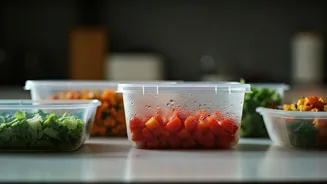
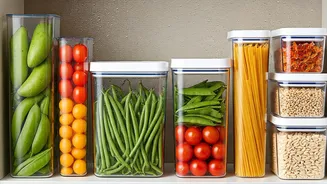
For dry goods, moisture is the main threat. Store items like flour, lentils, spices, sugar, and biscuits in airtight containers. Glass or stainless steel jars are often better than plastic for keeping moisture out. Traditional wisdom, like adding a few grains of raw rice to a salt shaker or placing a dried bay leaf in your rice and flour containers, can help absorb excess moisture and deter pests. Never leave food uncovered, even for a short time, as the humid air can quickly make snacks soggy and promote spoilage.
Handle Fresh Produce With Extra Care
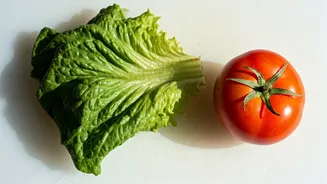
Fruits and vegetables are highly susceptible to spoilage during the monsoon. When you bring them home, wash them thoroughly under running water. For leafy greens, FSSAI recommends a brief soak in saltwater or a diluted vinegar solution to remove germs. Crucially, you must dry all produce completely before storing it, as lingering moisture will lead to mould. Storing them in paper bags or wrapping them in newspaper inside the fridge can help manage moisture levels. Avoid storing cut fruits and vegetables for long; consume them as soon as they are prepped.
Recognise the Signs of Spoilage
Your senses are your best guide for detecting spoiled food. Be alert for common warning signs. Look for changes in colour, such as meat turning grey or brown, or vegetables developing dark spots. A slimy or sticky texture on items like deli meats is a clear red flag. Visible mould, which can appear as green, white, or black fuzzy spots, means the food should be discarded immediately; simply cutting off the mouldy part isn't enough as its roots can penetrate deep into the food. Finally, trust your nose. An off, sour, or rancid smell is a definitive sign that the food is no longer safe to eat.
When in Doubt, Throw It Out
While food waste is a concern, food poisoning is a much greater one. Pathogenic bacteria that cause illness are often odourless and tasteless, so food can be dangerous even if it looks and smells fine. This is especially true for high-risk items like cooked rice, meat, dairy, and leftovers. The rule is simple: if food has been at room temperature for more than two hours, or if you have any uncertainty about its safety after a power outage, it’s not worth the risk. Discarding questionable food is a small price to pay for protecting your health and ensuring your rainy week remains a pleasant one.