





The Science of Squeezing Air Out
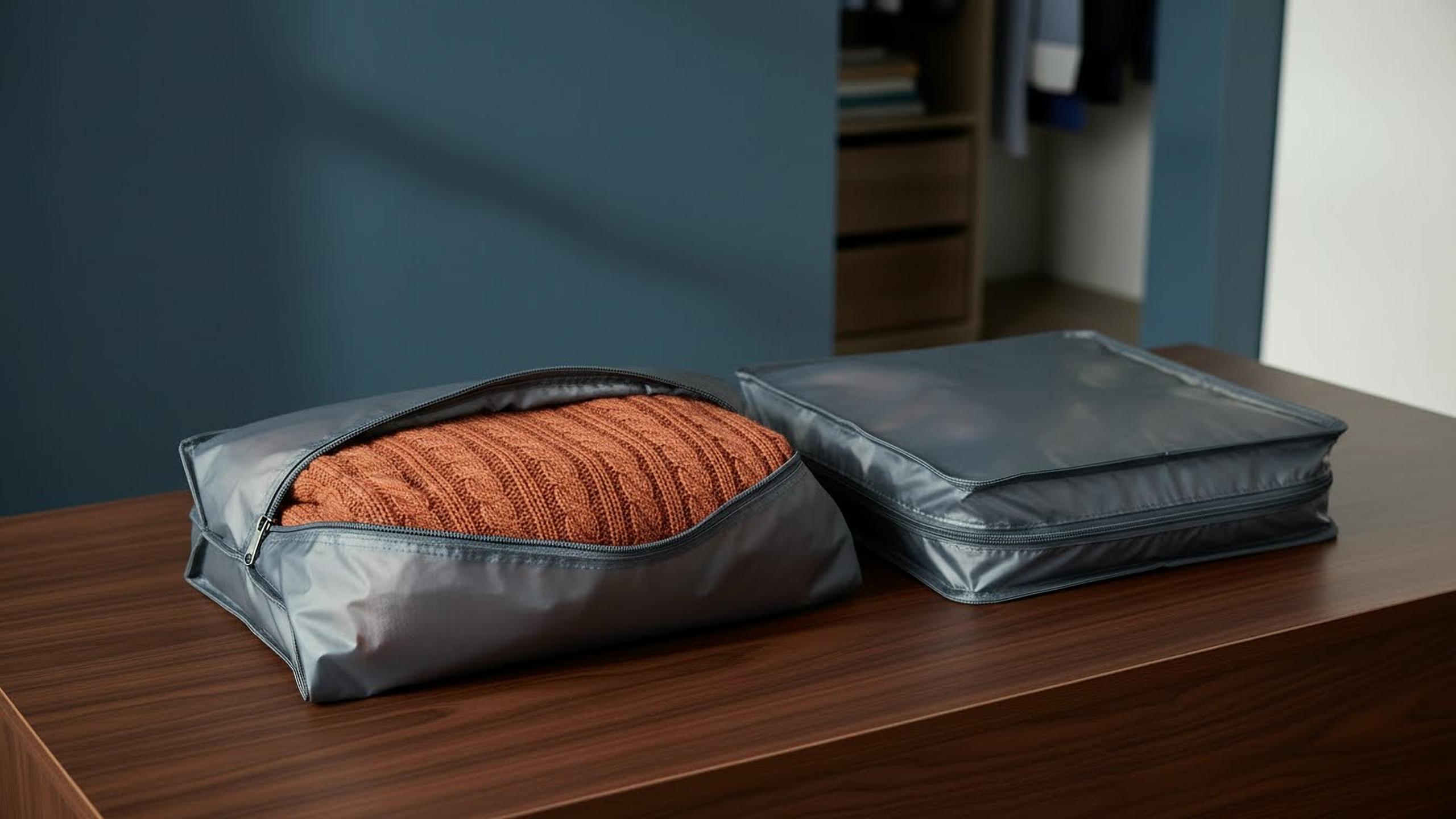
At its core, an air extraction bag—often called a compression or vacuum bag—is a durable plastic pouch with a sealable opening. Their magic lies in a simple principle: much of the space your clothing takes up is actually filled with air. By removing this
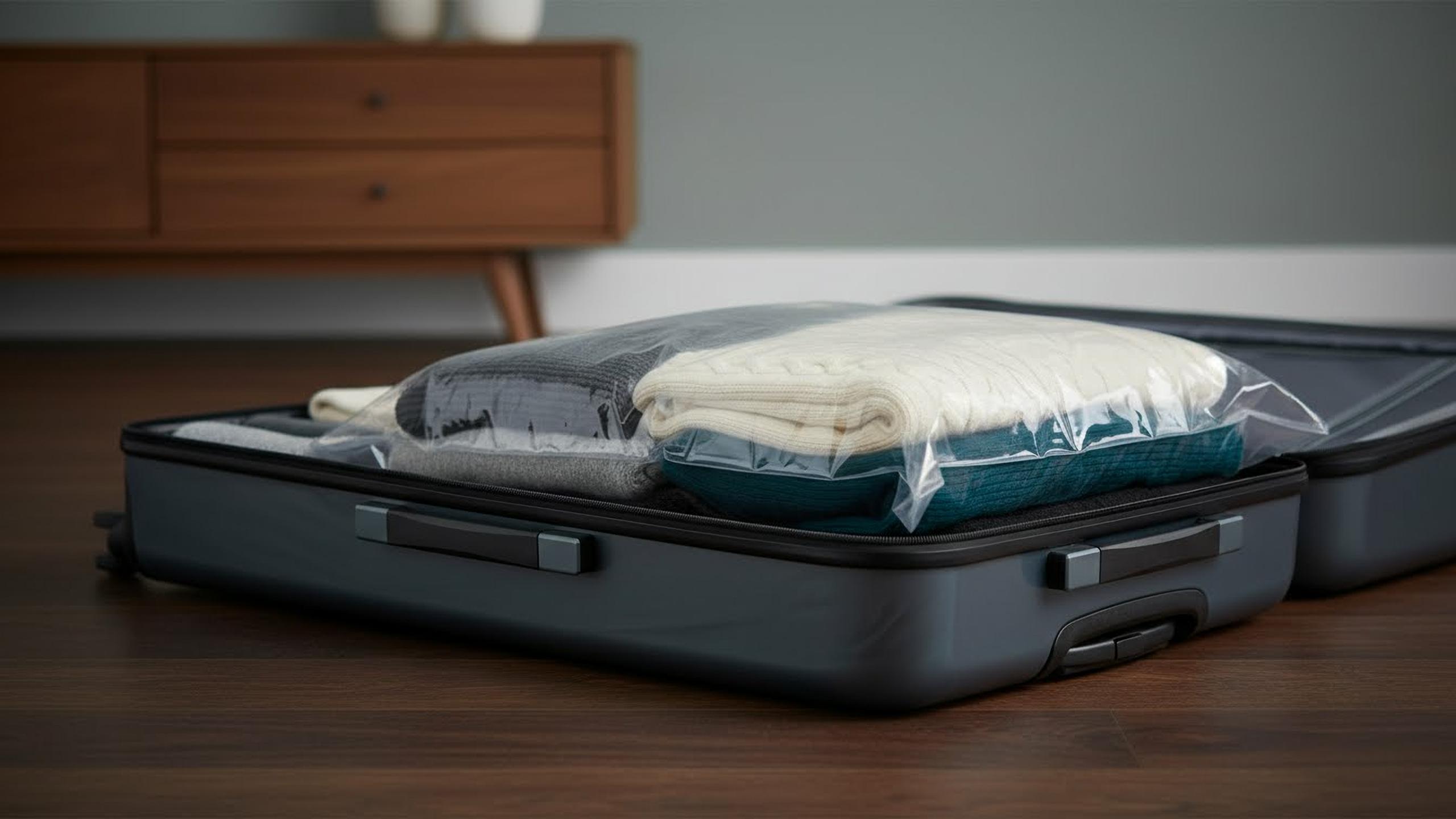
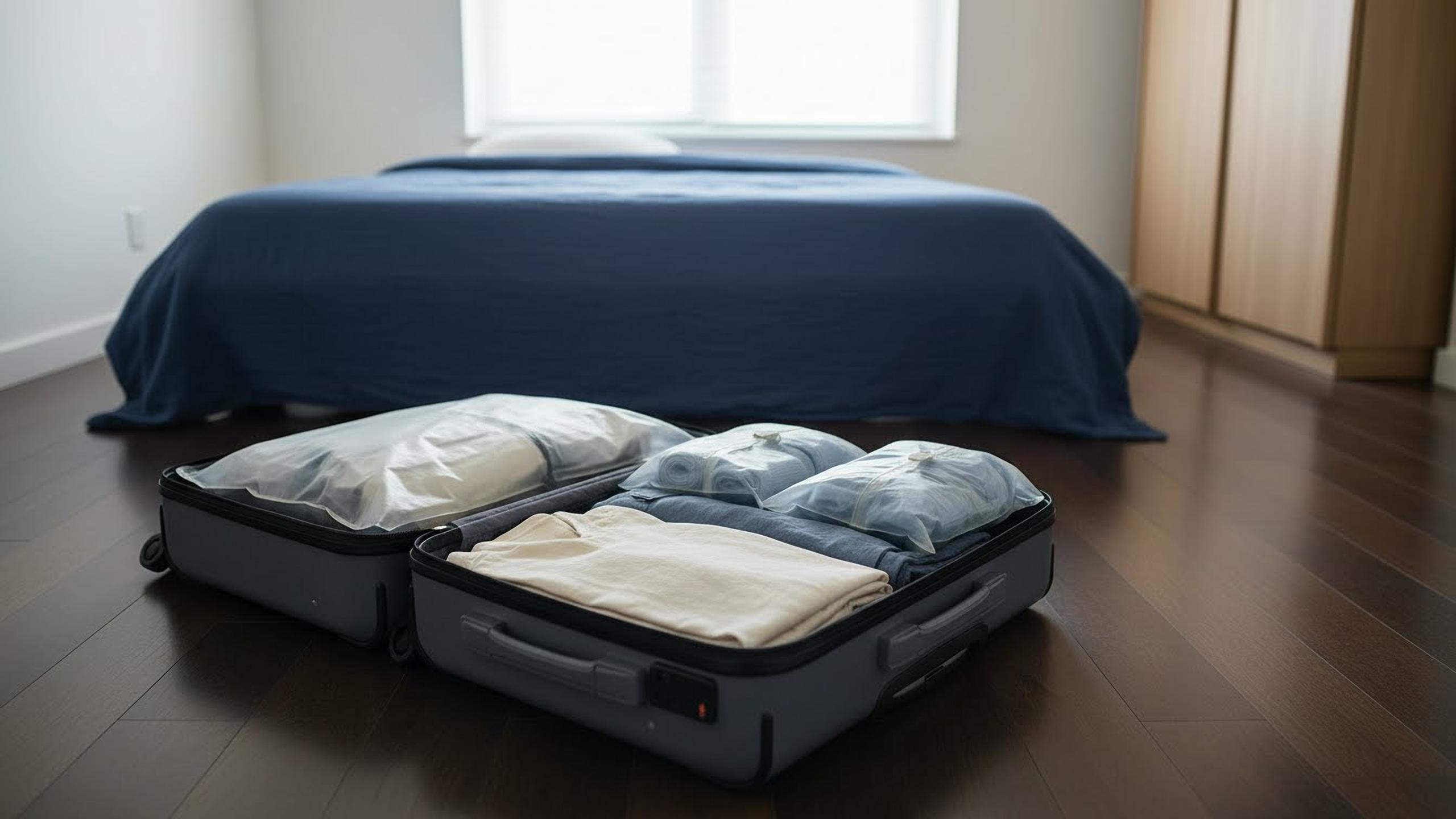
air, the bag shrinks dramatically, compressing the contents into a dense, flat package that occupies significantly less volume. This can reduce the space needed for soft, bulky items like sweaters, puffer jackets, and bedding by up to 80 percent. There are two main types. The first uses a valve that connects to a household vacuum or a small, portable pump to suck the air out. The second, more travel-friendly version, allows you to expel air simply by rolling the bag tightly and squeezing the air out through a one-way valve before sealing it.
An Impenetrable Shield Against Spills and Rain
While saving space is their most famous feature, the protective benefit is just as valuable. When you seal an air extraction bag, you create an airtight barrier. This seal doesn't just keep air from getting back in; it also prevents water from penetrating. Made from non-porous materials like durable nylon or PVC, these bags effectively become waterproof pouches for your clothes. This is a lifesaver in several travel scenarios. Imagine your suitcase getting left on a rainy tarmac or a bottle of lotion bursting mid-flight. For clothes stored in a compression bag, these potential disasters become minor inconveniences. The contents remain perfectly dry and protected from moisture, dirt, and even odours. This makes them ideal for outdoor adventurers, kayakers, and campers, or simply anyone wanting peace of mind.
Choosing the Right Bag for Your Needs
The best type of bag depends on your travel style. Vacuum-style bags with a pump are highly effective for maximum compression and are excellent for packing at home when preparing for a long trip or for seasonal storage of bedding and winter coats. However, they pose a challenge on your return journey if you don't have access to a vacuum. To solve this, many travel-specific kits now include small, USB-rechargeable pumps. For most travellers, roll-up compression bags are the more practical choice. They don't require any extra tools and can be re-packed anywhere, from a hotel room to a tent. While their compression might be slightly less powerful than a vacuum's, they offer superior convenience and still provide the crucial waterproofing and organizational benefits, such as separating clean clothes from dirty laundry on the way home.
Smart Use and Potential Pitfalls
Despite their benefits, these bags require smart usage. Their biggest downside is the potential for significant wrinkling. Tightly compressing fabrics will inevitably lead to creases, so they are best used for items like jackets, knitwear, and socks, rather than delicate fabrics like silk or structured garments like blazers. Natural fibres such as wool and down also need air to maintain their shape, so long-term compression can potentially damage them. Another critical point is to remember that while these bags reduce volume, they do not reduce weight. It can be tempting to use the extra space to pack more, but this makes it easy to exceed airline weight limits, leading to hefty fees. Always weigh your suitcase after packing. Finally, opt for high-quality, reusable bags with durable zippers to avoid tears and leaks, which would render them useless.