




The Soul of 'Lived-In' Design
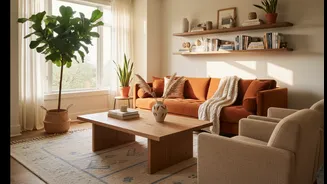
So, what exactly defines a 'lived-in' space? It’s the antithesis of the cold, museum-like interior. Think less about perfection and more about personality. This design philosophy champions homes that reflect the lives and stories of the people inside
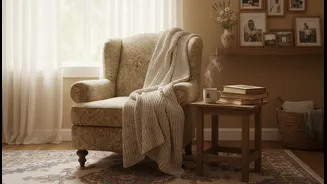
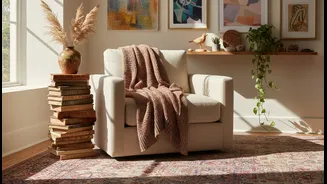
them. It’s about creating an atmosphere that is welcoming and comfortable, where every object has a place and a purpose, even if that purpose is simply to bring joy. Instead of hiding away signs of life, this trend puts them on display, from a stack of well-loved books on the coffee table to a collection of travel souvenirs on a shelf. The goal is to cultivate a space that feels curated over time, not decorated overnight.
Embrace the Beauty of Imperfection
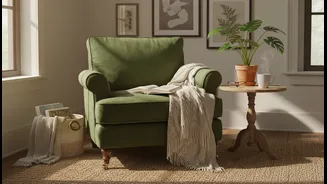
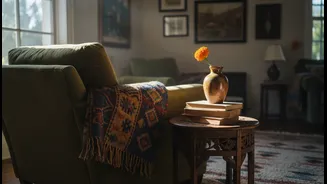
A key tenet of the lived-in look is the embrace of imperfection. This idea, rooted in concepts like the Japanese philosophy of wabi-sabi, finds beauty in the signs of age and use. A slightly worn wooden table, a handcrafted ceramic piece with its unique flaws, or a vintage rug with a bit of patina all contribute to a home's character. These are not defects; they are storytellers. Designers suggest that after years of striving for flawless interiors, there is a growing desire for pieces that feel handmade, textured, and personal. Letting go of the need for pristine perfection allows a room to feel more relaxed and inviting.
Layer Textures and Materials
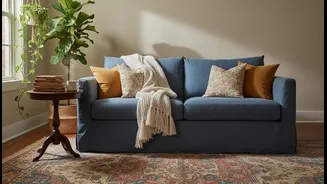
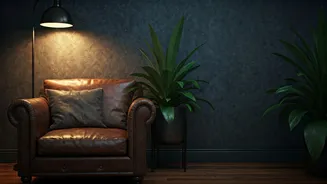
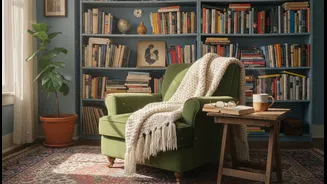
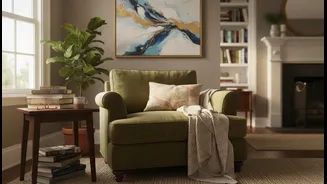
One of the most effective ways to create a warm, lived-in feel is through the masterful layering of textures. While minimalist design often relies on smooth, uniform surfaces, this trend encourages a rich mix of materials that appeal to the sense of touch. Imagine a soft velvet sofa adorned with chunky knit pillows, a smooth leather chair next to a rough-hewn wood side table, or layered rugs on the floor. Incorporating a variety of natural materials like wood, rattan, linen, and wool adds depth and visual interest, making a space feel cozy and dynamic without needing bold colours.
Mix, Don't Match Your Furniture
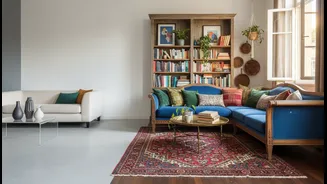
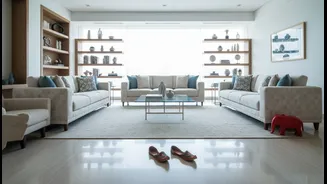
Gone are the days of buying a complete, matching furniture set. The lived-in aesthetic celebrates an eclectic mix of old and new. Combining a modern sofa with a pair of vintage armchairs or a sleek dining table with mismatched chairs creates a look that feels evolved and authentic. This approach allows you to break the rules and blend contemporary clean lines with more traditional or even rustic elements. It gives the impression that the home has been assembled over time, with pieces collected from different eras and places, each contributing to a larger, more interesting narrative.
Curate and Display Your Story
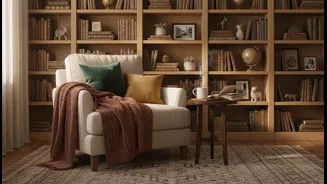
A lived-in home is a gallery of your life. This trend encourages you to thoughtfully display your collections and personal items. Instead of clutter, think of it as intentional curation. A gallery wall can mix family photos with kids' drawings, postcards, and art picked up on your travels. Bookshelves become more than just storage; they are a canvas for your interests. The key is to arrange these items with care, grouping similar objects together and playing with height and scale to create visual harmony. These personal touches are what transform a house into a home, sparking conversations and wrapping you in memories.
Softer, Layered Lighting
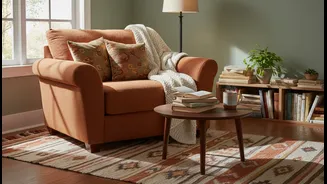
Lighting plays a crucial role in setting a welcoming mood. The lived-in look moves away from harsh, central overhead lights in favour of a layered, ambient approach. Think of multiple light sources creating soft pools of warmth around the room. Wall sconces, table lamps with fabric shades, and floor lamps can be used to create cozy corners perfect for reading or relaxing. This strategy not only makes a space feel more intimate and comfortable but also offers an opportunity to introduce more unique design elements through interesting lamp bases and shades.