


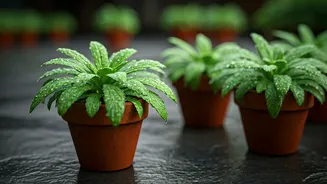


1. Hibiscus (Gudhal)
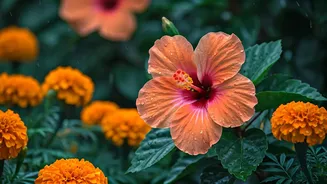
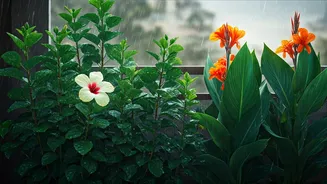
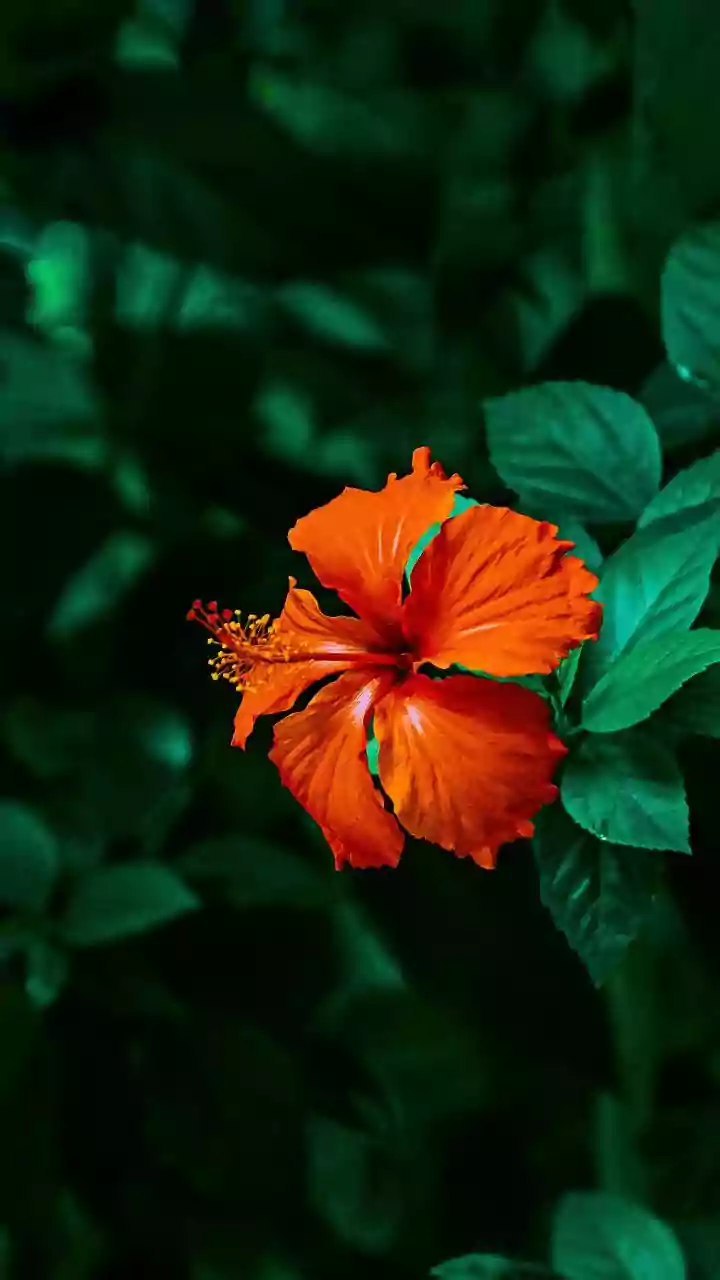
A quintessential Indian garden favourite, the tropical hibiscus is a true monsoon champion. These plants love consistent moisture and humidity, making them perfectly suited for the rainy season. Their large, vibrant flowers in shades of red, pink, yellow,
and white can brighten up even the greyest of days. While they enjoy the water, they don't like to sit in a stagnant pool. The key to a happy hibiscus during the monsoon is excellent drainage. Ensure your pot has plenty of drainage holes at the bottom and use a well-draining potting mix. If your balcony is exposed to very strong winds, consider moving the pot to a more sheltered corner to protect its delicate flowers and branches.
2. Canna Lily (Keli)
With their large, paddle-like leaves and dramatic flowers that resemble irises, canna lilies bring a lush, tropical feel to any space. These plants are native to tropical regions and thrive in wet, boggy conditions, making them an ideal choice for a monsoon balcony. They are not fussy and will reward you with continuous blooms if they receive enough water. Plant them in large, deep pots to accommodate their root system. The broad leaves can collect rainwater, which not only hydrates the plant but also washes away dust, leaving them looking glossy and vibrant. Just ensure the pot isn't completely submerged for days on end, as even water-lovers have their limits.
3. Balsam (Gulmehendi)
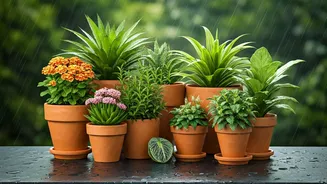
Often called the 'monsoon flower', balsam is an annual plant that seems to come alive with the first showers. These charming plants produce delicate flowers in shades of pink, purple, white, and red all along their stems. They love the high humidity and consistent moisture of the rainy season. Balsam is incredibly easy to grow from seed, which you can sow directly into your balcony pots just before the monsoon begins. They prefer partial shade, making them perfect for balconies that don't get direct, harsh sunlight. Their tender stems can be prone to breaking in heavy downpours, so placing them in a slightly protected spot is a good idea. They are a joyful, low-maintenance addition that truly signals the arrival of the rains.
4. Coleus
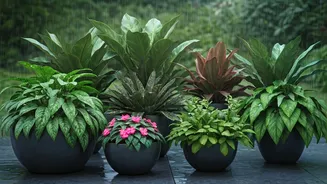
While many plants are grown for their flowers, coleus is prized for its stunning, multi-coloured foliage. With leaves in patterns of burgundy, lime green, pink, and deep purple, it provides a splash of colour that lasts all season. Coleus plants prefer moist soil and thrive in the shady, humid conditions common during the monsoon. Direct, harsh sunlight can scorch their leaves, so they are perfect for covered or north-facing balconies. The overcast monsoon sky provides the ideal filtered light for their colours to become even more intense. Pinching off the tips will encourage the plant to become bushier and more vibrant. They are a fantastic way to add texture and drama to your container garden.
5. Spider Plant (Chlorophytum comosum)
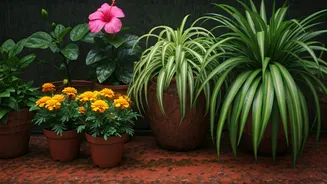
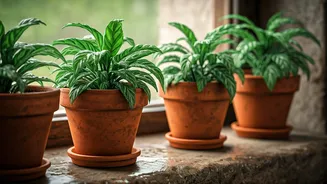
Known for being one of the most forgiving and easy-to-care-for houseplants, the spider plant is also surprisingly resilient outdoors during the monsoon. Its fleshy roots, or tubers, are excellent at storing water, which helps the plant tolerate periods of both drought and excess moisture. This resilience makes it a great candidate for rainy weather. They are fantastic in hanging baskets, where their arching leaves and cascading 'spiderettes' (baby plants) can drape beautifully over the sides. The natural rainfall will keep them well-hydrated, and their tough nature helps them resist common problems like root rot, as long as the pot has good drainage.
Essential Monsoon Care Tips
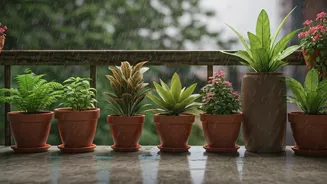
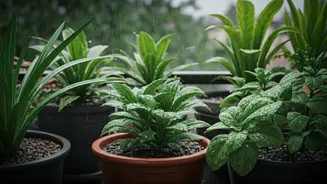
Choosing the right plants is half the battle. The other half is proper care. First, drainage is non-negotiable. Ensure every pot has unclogged drainage holes. You can even elevate pots slightly on bricks or pot feet to prevent them from sitting in water. Second, watch for pests. The damp conditions are ideal for slugs, snails, and fungal diseases. Regularly inspect your plants, especially the undersides of leaves. Third, you can reduce your manual watering schedule significantly, but don't stop checking the soil entirely. On days without rain, the topsoil might still dry out. Finally, go easy on the fertiliser. The constant rain can wash away nutrients, but over-fertilising can burn the roots. A light feeding once a month is usually sufficient.