




The Rise of the 'Poshtel'
Forget the crowded dorms and basic amenities of traditional backpacking. The new buzzword in Sri Lankan travel is the 'heritage hostel' or 'poshtel'—a boutique, design-conscious space that offers character without the hefty price tag of a luxury hotel.
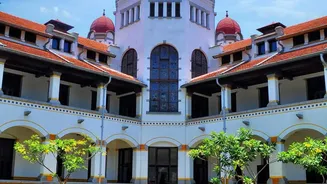
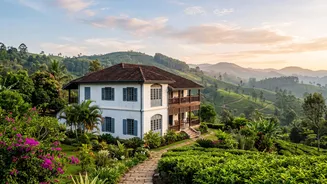
These are often beautifully restored properties, from old colonial manors in Galle to tea planters' bungalows in the hill country, that tell a story. For a generation of Indian travellers tired of cookie-cutter experiences, these establishments offer a perfect blend of comfort, community, and culture. They provide the social element of a hostel with the aesthetic and privacy closer to a boutique hotel, creating a whole new category of accommodation that is proving irresistible.
An Affordable Aspiration
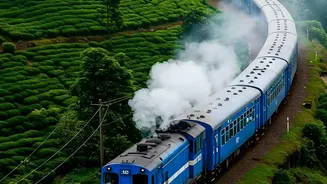
One of the most significant drivers of this trend is value. Sri Lanka offers an exceptional travel experience for the Indian Rupee. While a stylish boutique hotel might be a splurge, a bed in a chic heritage hostel is surprisingly affordable. Daily costs for a budget-to-mid-range traveller can be as low as $30-$50, including accommodation in a well-regarded hostel, local food, and transport. This financial accessibility allows young Indians to enjoy longer stays or indulge in more experiences, like safaris in Yala National Park or scenic train journeys to Ella, without breaking the bank. The perception of Sri Lanka as a destination that offers premium experiences at a reasonable cost is a major draw.
Curated for the 'Gram
In the age of social media, the visual appeal of a vacation is paramount. Heritage hostels in Sri Lanka are incredibly photogenic, designed with a keen eye for aesthetics. Think polished concrete floors, vintage furniture, lush tropical gardens, and open-plan cafes serving beautifully plated local food. Properties like the eco-friendly Wild Bee Hostel in Ella or the colonial-style Alma Boutique Hostel in Colombo are more than just a place to sleep; they are a key part of the travel story. For young Indians who document their journeys online, these hostels provide a ready-made, envy-inducing backdrop that feels both authentic and aspirational.
A Hunger for Authentic Experiences
Today's young traveller is seeking more than just sightseeing; they want immersion. Heritage hostels often act as cultural hubs. They might host communal dinners featuring local cuisine, organize cooking classes, or have staff who are passionate about sharing local tips that go beyond the guidebook. This environment fosters interaction not just with other travellers, but with the Sri Lankan way of life. The shared history and cultural familiarity between India and Sri Lanka also create a sense of comfort. Whether it's exploring shared culinary traditions or visiting sites of cultural significance, the journey feels both adventurous and comfortably familiar.
The Sheer Ease of It All
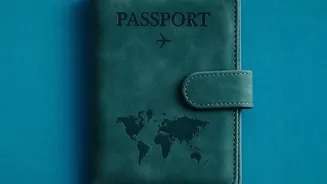
Proximity and convenience are the final, crucial pieces of the puzzle. With direct flights from nine Indian cities, Sri Lanka is just a short hop away, making it an ideal destination for a week-long getaway. The visa process has also been simplified, with visa-free entry for Indian passport holders who apply for an Electronic Travel Authorisation (ETA) online. This ease of access, combined with a well-established tourism infrastructure, means planning a trip is relatively stress-free. For a generation balancing busy careers, the ability to have a rich international experience without complicated logistics is a massive advantage.