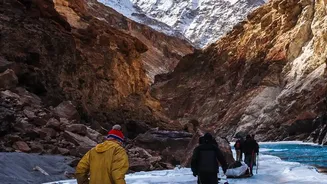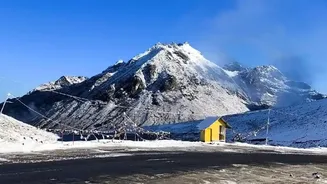

The Fantasy vs The Reality
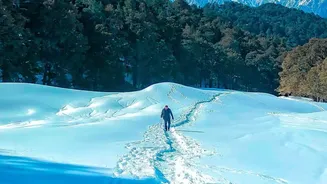
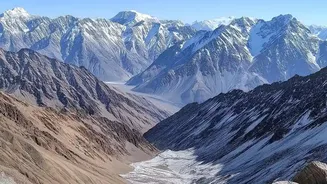
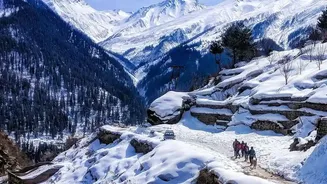
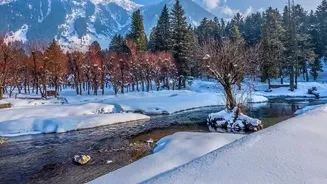
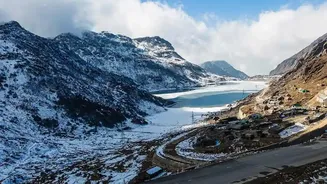
Social media is flooded with pristine images of snow-draped pines in Manali and solitary figures looking out over a white-blanketed Gulmarg. While these moments exist, they are often just a snapshot. The reality of a snow trip can also include long traffic
jams on icy roads, power cuts, and entire days spent indoors due to heavy snowfall. Popular destinations like Shimla, Manali, and Auli can get extremely crowded, especially during peak season and the first snowfall, which can detract from the serene escape you might be imagining. The goal isn't to discourage the trip, but to prepare for it, so you can enjoy the beauty without being derailed by predictable challenges.
‘Fresh Snowfall’ Isn't Always Your Friend
The phrase 'fresh snowfall' sounds enchanting, and it often is. But for travellers, it's a double-edged sword. Heavy and continuous snowfall, especially in the high reaches, often leads to road closures. National highways and local access roads alike can be blocked for hours or even days, cutting off destinations and leaving tourists stranded. What begins as a scenic drive can quickly turn into a waiting game in your car. It’s crucial to monitor weather forecasts not just before you leave, but during your trip. Having a flexible itinerary with buffer days is one of the smartest things you can do. This allows you to wait out a road closure without the stress of a missed flight or a tight schedule.
Understanding Road Access and Closures
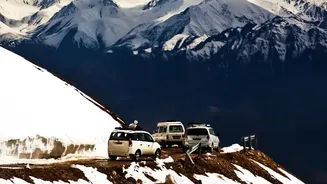
Himalayan roads are a marvel of engineering, but they are vulnerable to weather. During winter, road access is the single biggest variable. Key routes like the approaches to the Atal Tunnel, Rohtang Pass, Zoji La, and roads to places like Spiti Valley officially close for months. Even on open roads, conditions can be treacherous. 'Black ice'—a thin, transparent layer of ice on the tarmac—is a common and serious hazard, especially on shaded curves and bridges. It’s often invisible, making it extremely dangerous for drivers unfamiliar with mountain conditions. Always listen to local authorities and check official sources for road status before heading out. Sometimes, the safest decision is to stay put or hire a local driver.
Is Your Vehicle—And Are You—Ready to Drive?
Driving in the plains is fundamentally different from navigating icy mountain roads. For most visitors, hiring a local taxi is the wisest and safest choice. Local drivers have experience with the terrain and their vehicles are often better prepared. If you do choose to self-drive, your vehicle needs to be winter-ready. This means checking your battery, using antifreeze, and ensuring your tyres have adequate tread. Standard highway tyres are not designed for snow and ice. Driving techniques must also change: maintain a slow, steady speed, avoid sudden braking or accelerating, and keep a much larger distance from the vehicle in front. If you're not experienced in these conditions, it is much safer to let a professional handle the driving.
Packing Beyond the Stylish Jacket
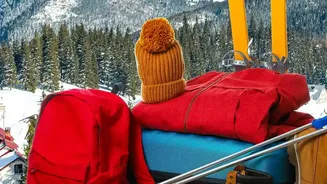
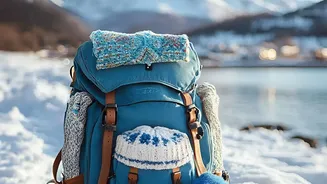
A fashionable winter coat looks great in photos, but it won’t be enough when temperatures drop below zero. The key to staying warm is layering. Pack thermal innerwear, fleece jackets, and a waterproof and windproof outer layer. Good quality, insulated, waterproof boots are non-negotiable, as are warm socks, gloves, a cap, and a scarf. Beyond clothing, think about practicalities. Carry a power bank, as electricity can be unreliable during heavy snow. Pack essential medications, a basic first-aid kit, and some non-perishable snacks and water in case of delays. It's also wise to have cash on hand, as ATMs may not be functional.