

An Earthy Revival in Urban Spaces
For generations, terracotta—literally ‘baked earth’—has been a staple in Indian households, from humble water pots to ornate roof tiles. Its charm is undeniable, but its perceived bulk and rustic nature often felt out of place in sleek, space-conscious
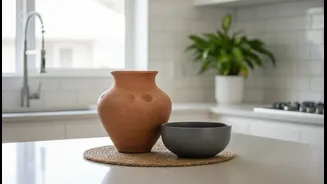
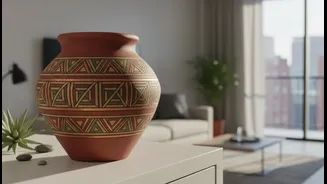
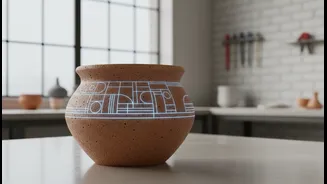
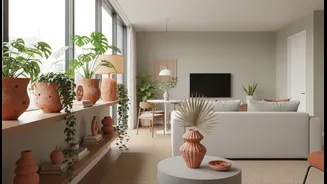
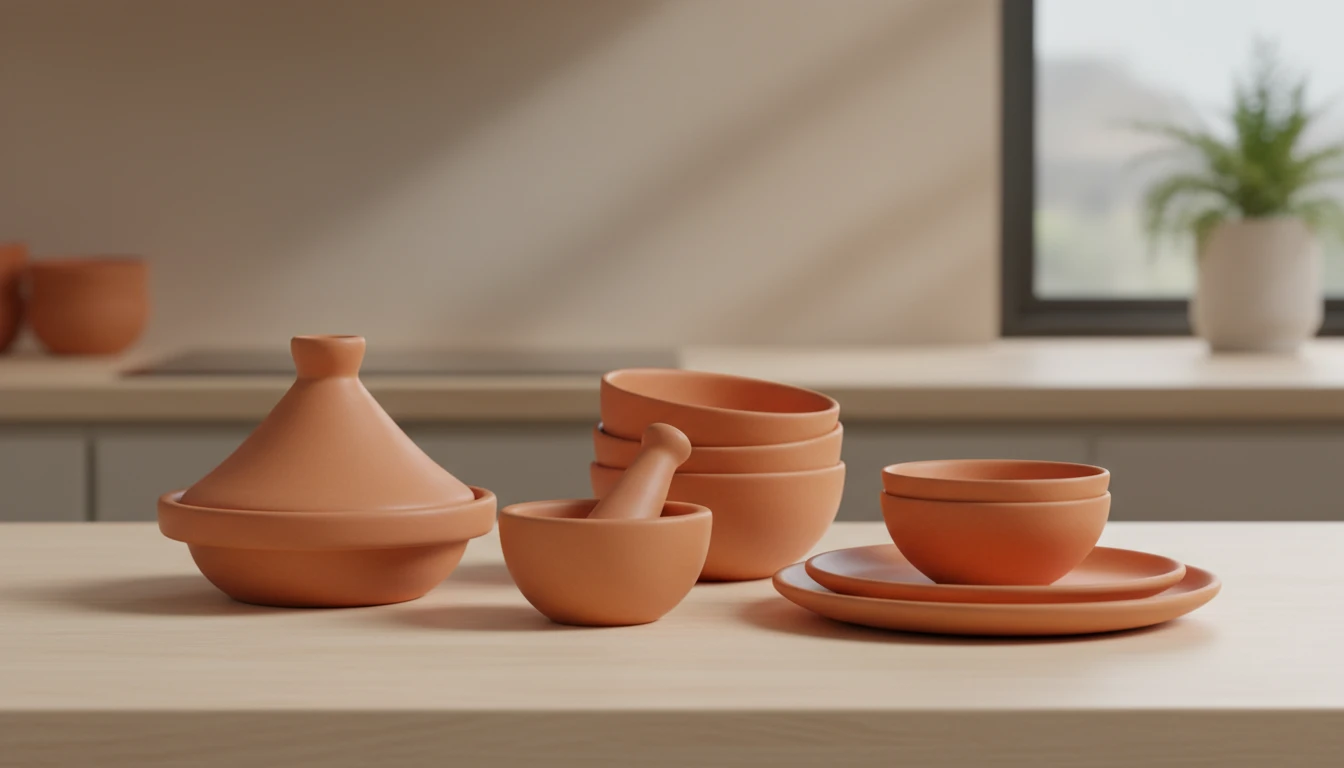
city apartments. Today, that’s changing. There is a growing desire for sustainable, handcrafted goods that tell a story. This has sparked a renaissance, with young designers and design-led brands looking back to their roots to find inspiration. They are drawn to terracotta not just for its nostalgic warmth, but for its eco-friendly credentials; it is a natural, biodegradable material that connects our indoor spaces with the earth. This revival is less about recreating the past and more about adapting it for a contemporary, urban lifestyle.
Thinking Small, Designing Smart
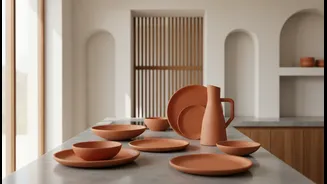
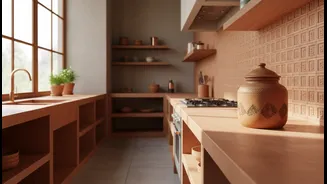
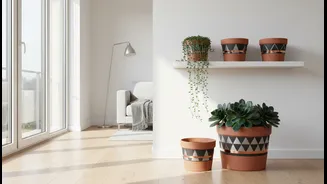
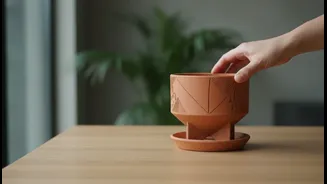
The biggest challenge for terracotta in a city home is its footprint. Traditionally large and heavy, it’s not exactly ideal for a 600-square-foot apartment. This is where modern innovation comes in. Designers are focusing on modularity, multi-functionality, and verticality. Instead of a single large planter, think of stackable modules that can create a vertical garden on a small balcony. Wall-mounted terracotta plaques and intricately carved tiles add texture and a focal point to a room without taking up any floor space. The new design language is about sleek lines, refined finishes, and an intelligent use of space, proving that earthy materials can also be elegant and minimalist.
Beyond the Planter Pot
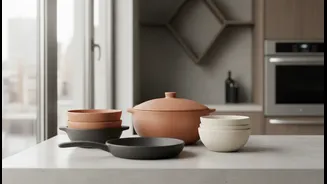
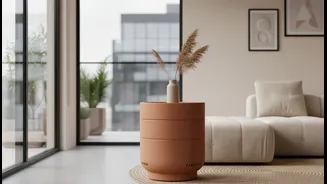
The innovation isn't just limited to planters. Designers are pushing the boundaries of what terracotta can be. Imagine sculptural table lamps that cast a warm, diffused glow, side tables with clean lines, and even terracotta-based water purifiers that cool water naturally while looking like a piece of modern art. Some artisans are blending the material with others, like metal or glass, to create hybrid pieces that feel both rustic and contemporary. Even terracotta jewellery is gaining traction as a sustainable and skin-friendly fashion statement. This expansion into new categories shows a fundamental rethinking of the material, moving it from the garden into the living room, kitchen, and beyond.
The People Behind the Pottery
This trend is being driven by a diverse group of creators. On one hand, you have boutique design studios and individual artisans who are experimenting with form and finish. Brands like Kalavaati and The Terracotta Store are creating platforms to showcase handcrafted pieces that blend traditional techniques with modern design sensibilities, making them accessible to a wider audience. On the other hand, architects are incorporating terracotta in innovative ways, using it for everything from slatted screens that provide privacy and ventilation, to feature walls that add warmth and texture to minimalist interiors. This collaborative effort between artisans, designers, and architects is crucial in elevating terracotta from a simple craft material to a sophisticated design element.
A Grounding Force in Hectic Lives
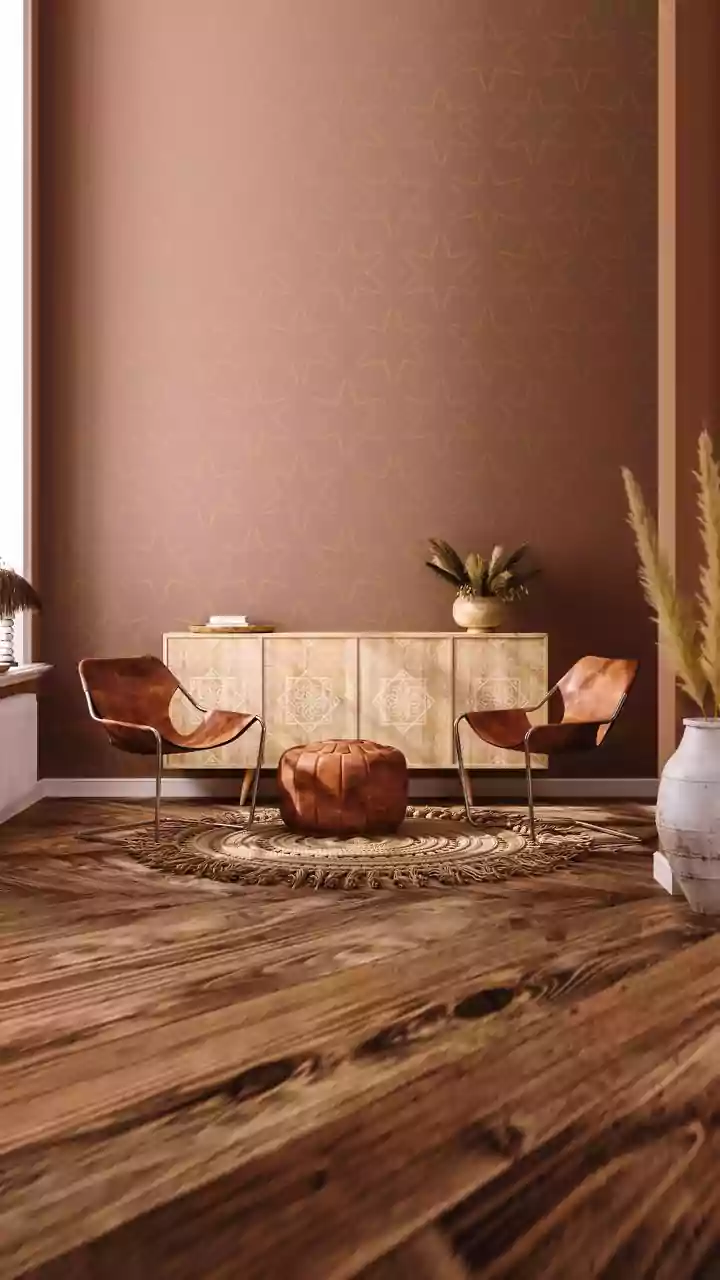
Ultimately, the appeal of modern terracotta goes beyond just aesthetics and practicality. In the concrete-and-glass environments of most cities, having natural, tactile materials in our homes can be incredibly grounding. The warm, reddish-brown hue of terracotta brings a sense of calm and a connection to the natural world that can be missing from urban life. It’s a small but powerful way to make a home feel more alive, more rooted, and more personal. As our lives become more digital and fast-paced, the quiet, timeless appeal of a material made from the earth offers a much-needed sense of balance and tranquility.