








The Annual Monsoon Sabbatical
Every year, as July begins, a familiar quiet descends upon the core areas of India's premier tiger reserves. Parks like Ranthambore, Bandhavgarh, Kanha, and Jim Corbett temporarily suspend safari operations in their central, most protected zones. This
annual closure, typically lasting from July to September or October, is a long-standing conservation policy mandated by the National Tiger Conservation Authority (NTCA). Recent announcements have confirmed the closure of core areas in reserves across the country, from Amrabad Tiger Reserve in Telangana to Nagarjunasagar-Srisailam in Andhra Pradesh, marking a temporary pause in tourism activities within these critical habitats. This is not an arbitrary decision but a crucial, science-backed strategy for preservation.
The Science Behind the Silence
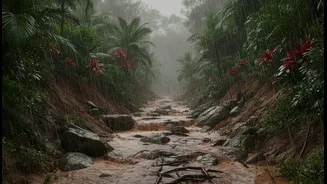
The primary reason for the monsoon closure is to give nature an undisturbed window to thrive. The rainy season is the principal breeding and cub-rearing period for tigers and many other species. Reducing the stress from constant safari vehicle movement is vital for successful mating and for mothers to raise their young in peace. Beyond wildlife needs, the land itself requires time to heal. Months of tourism compact the soil and damage tracks. The monsoon rejuvenates the ecosystem, allowing grasses and plants to grow, which provides essential food for herbivores and strengthens the entire food chain. Furthermore, practical safety concerns are paramount; heavy rains make the unpaved forest tracks slushy, treacherous, and often impassable for safari jeeps.
Enter the Buffer Zone Alternative
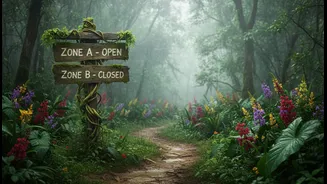
This is where the headline’s promise comes to life. A tiger reserve is not a single, uniform area. It is typically divided into a ‘core’ and a ‘buffer’ zone. The core is the heart of the park, a critical habitat with the highest level of protection and minimal human intervention. The buffer zone is the area surrounding the core, where conservation objectives coexist with human activities, including regulated tourism and local villages. While core zones rest during the monsoon, an increasing number of parks are now keeping their buffer zones open for safaris, providing a viable and exciting alternative for visitors. This strategy allows tourism to continue without disturbing the most sensitive areas of the forest during a crucial time.
What a Monsoon Safari Looks Like
A monsoon safari is a different kind of magic. The forest, washed clean by the rains, is a brilliant, almost fluorescent green. The air is fresh, the water bodies are full, and the crowds are significantly smaller. While dense vegetation can sometimes make sightings a challenge, animals do not recognise man-made boundaries and frequently move between core and buffer areas. Parks like Tadoba in Maharashtra and Satpura in Madhya Pradesh have become popular for their monsoon buffer safaris. Visitors report rewarding sightings of tigers, leopards, sloth bears, and a spectacular array of birdlife. The experience is often quieter and more immersive, offering a chance to see the jungle at its most vibrant and alive.
A Lifeline for Local Economies
The move towards buffer zone tourism is more than just a convenience for tourists; it's a critical economic lifeline. For the thousands of local guides, jeep drivers, and hospitality workers whose livelihoods depend on park tourism, the three-month core closure has historically meant a period of no income. By keeping buffer routes operational, parks can offer a more sustainable, year-round economic model. This helps ensure that local communities, who are key partners in conservation, continue to see direct benefits from protecting the wildlife in their backyard. This creates a stronger incentive for coexistence and can help reduce human-wildlife conflict.
The Path to Sustainable Tourism
The promotion of buffer zone tourism represents a maturing vision for wildlife conservation in India. It’s a delicate balancing act, aiming to protect pristine habitats while acknowledging the economic needs of the people living around them. The challenge ahead is to ensure these buffer zones are managed sustainably, avoiding the overcrowding and pressures that can affect core areas. During this time, forest departments also increase anti-poaching patrols on foot, as the reduced tourist presence and thick vegetation can provide cover for illegal activities. This twin approach—regulated tourism in buffer areas and heightened protection—helps ensure the forest is safe both for and from humans.