




Does Food Temperature Really Matter?
The conversation around gut health often revolves around what we eat, but ancient wellness systems like Ayurveda and Traditional Chinese Medicine have long argued that how we eat is just as crucial. This includes the temperature of our food and drinks.
While modern science confirms the human body is excellent at regulating its internal temperature, emerging research and expert opinions suggest that the temperature of what we consume can still influence digestion and, indirectly, our gut microbiome. The primary effects are not necessarily a direct thermal shock to your gut bacteria, but rather related to how temperature affects digestive processes like blood flow and enzyme activity.
The Ayurvedic View: Protecting Your Digestive Fire
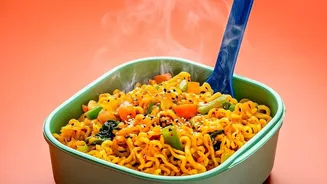
In Ayurveda, the concept of 'Agni', or digestive fire, is central to health. This metaphorical fire is responsible for transforming food into energy and nutrients. According to this tradition, consuming cold foods and iced drinks can dampen this fire, making digestion sluggish and inefficient. This constriction of the digestive channels can lead to symptoms like bloating, gas, and a feeling of heaviness. Warm, cooked foods, on the other hand, are seen as supportive of Agni. They are considered easier to break down and absorb, requiring less energy from the body and keeping the digestive pathways open and relaxed.
The Science of Warmth and Digestion
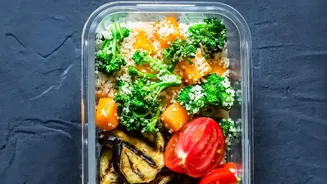
Modern science offers some explanations that align with this traditional wisdom. Warm foods can help relax the muscles of the digestive tract and stimulate blood flow to the gut. This increased circulation can aid in the secretion of digestive enzymes, which are crucial for breaking down food effectively. The process of cooking itself acts as a form of 'pre-digestion', softening tough fibres and making nutrients more accessible to the body, which can be especially beneficial for those with sensitive digestive systems. Think of it as giving your stomach a head start, allowing it to work more efficiently rather than expending extra energy to both warm up and break down a cold meal.
The Case for Cold: Not an Enemy
This doesn't mean you have to give up salads and smoothies forever. Cold foods have their place, especially in hot weather or for certain individuals. Many raw foods like fruits and vegetables are packed with vital enzymes and water-soluble vitamins that can be diminished by cooking. For hot climates, cooling foods like cucumber and watermelon can help with hydration and provide comfort. Furthermore, some starchy foods like potatoes and rice, when cooked and then cooled, develop resistant starch. This type of starch bypasses digestion in the small intestine and travels to the large intestine, where it acts as a prebiotic, feeding beneficial gut bacteria.
Finding Your Ideal Balance
The key takeaway is not a strict rule of 'hot is good, cold is bad', but rather a mindful approach to balance. For many, especially during colder months or for those with weaker digestion, prioritising warm, cooked meals can be transformative. Simple shifts can make a big difference. Try sipping warm water instead of ice water with your meals. If you're having a cold salad, consider pairing it with a warm soup. Avoid consuming foods straight from the refrigerator; letting them come closer to room temperature can ease the burden on your digestive system. Pay attention to how your body feels after eating meals of different temperatures. For some, a cold smoothie might cause cramping, while for others it feels refreshing. Your own body is the ultimate guide.