
The Short Lifespan of a 'Colour of the Year'
From 'Millennial Pink' to 'Gen-Z Green', colour trends arrive with a bang but can make a space feel dated in just a few years. The digital age, with its endless scroll of inspiration on social media, has made this trend cycle spin faster than ever. A
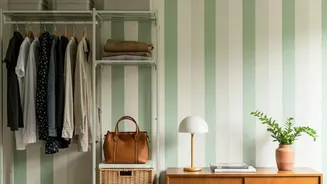
look that once took years to become mainstream might now peak in popularity in under a year before tastes shift again. While painting a wall is a relatively low-commitment way to play with a new shade, basing an entire design scheme on a fleeting colour can lead to expensive and frustrating updates down the line. A room drenched in the trendy neutral of the moment—whether the grey of the 2010s or the Tuscan beige of the 2000s—can become a timestamp of a bygone era. True timelessness allows a room to be easily updated with accessories, not requiring a complete overhaul when trends change.
The Enduring Language of Texture
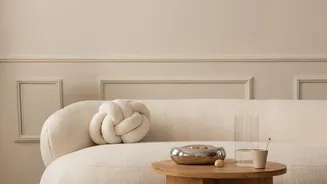
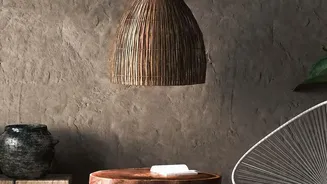
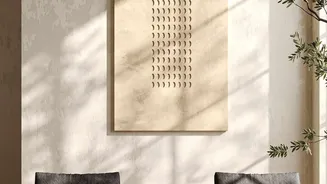
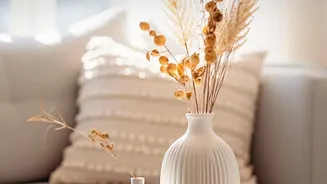
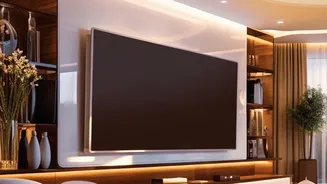
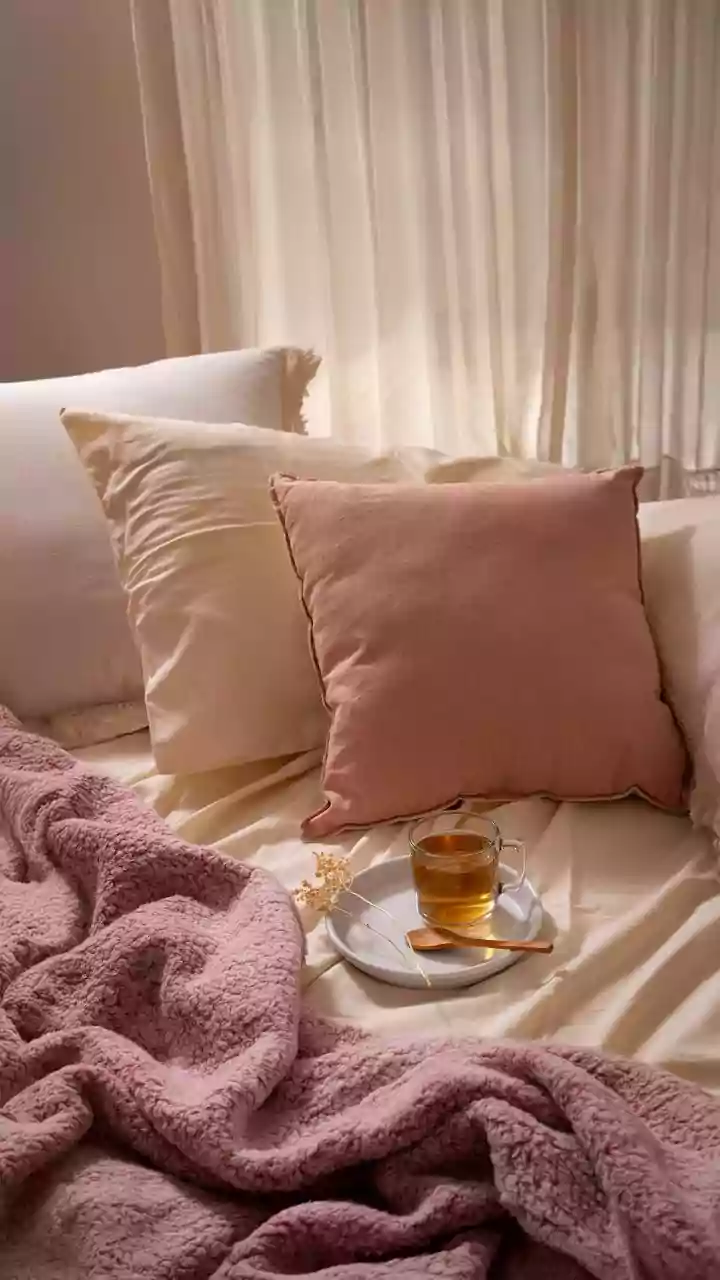
Unlike colour, which shouts for attention, texture whispers. It refers to the surface quality of a material—how it looks and how it feels to the touch. It’s the difference between a smooth, cool leather sofa and a soft, yielding velvet one; the contrast between a glossy lacquered cabinet and a rough-hewn wooden table. Texture is the secret ingredient that prevents a room from feeling flat, cold, or one-dimensional. It creates emotional warmth and visual depth, making a space feel considered, inviting, and deeply human. Even within a completely neutral colour palette, a rich mix of textures can make a room feel complete and luxurious.
Creating Depth, Comfort, and Sophistication
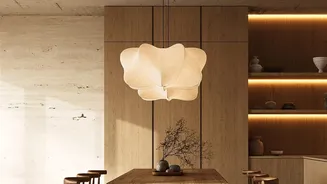
The power of texture is rooted in psychology. Our brains are wired to respond to tactile sensations, a concept known as biophilia—an innate connection to nature. Soft, natural textures like wool, cotton, and linen can evoke feelings of comfort and safety, promoting relaxation. Rougher, organic materials such as stone and wood provide a grounding effect, making a space feel stable and secure. This interplay of different surfaces also affects how we perceive a room. Varied textures catch and absorb light in different ways, creating subtle shadows and highlights that add dimension and prevent a neutral space from feeling boring. A room with a thoughtful mix of smooth, soft, and rough surfaces feels layered and complete, inviting the eye to linger.
How to Weave Texture Into Your Home
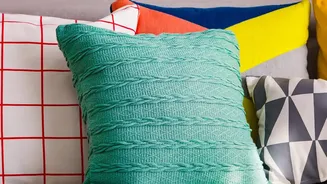
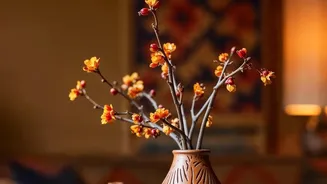
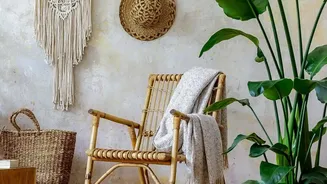
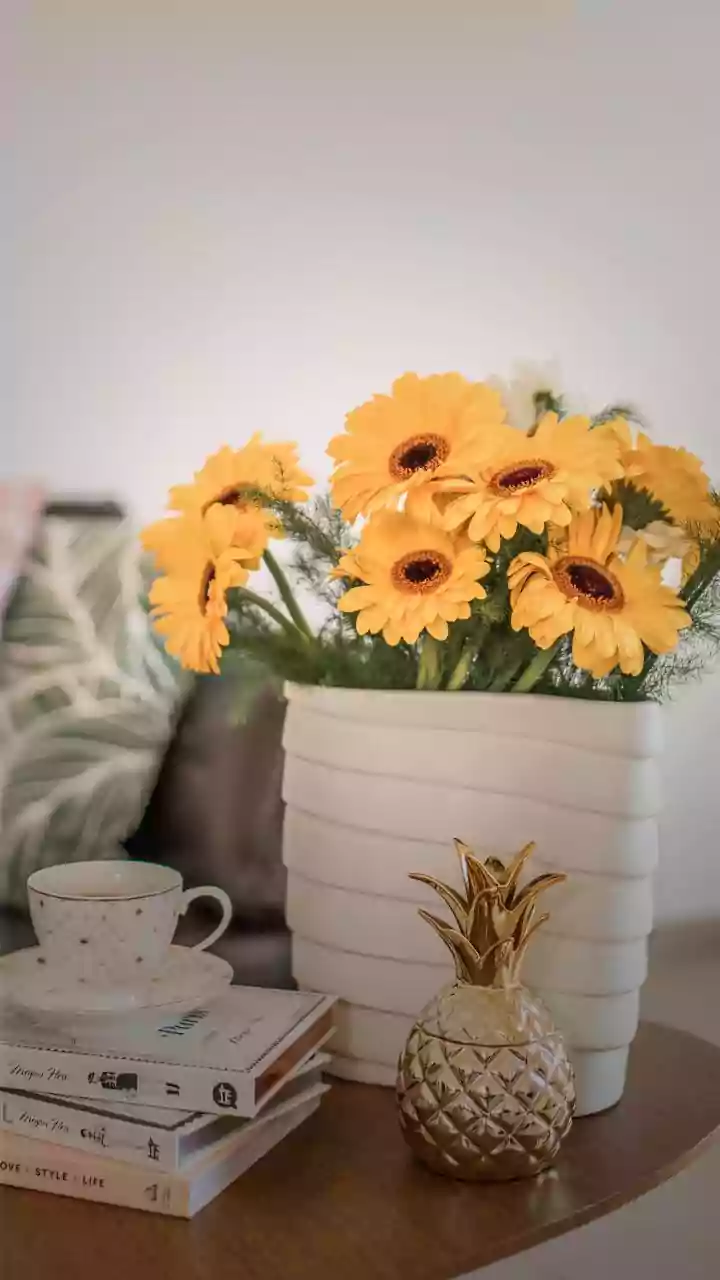
Layering textures is an art, but it doesn't have to be complicated. A simple approach is to ensure you have a mix of hard, soft, and natural elements. Start with your largest surfaces, like a sofa or a rug, to set the dominant textural tone. Then, build upon it. If your sofa is a smooth leather, contrast it with plush velvet or chunky knit cushions. If your floors are sleek wood or tile, a high-pile wool or natural jute rug will add instant warmth and dimension. Look for opportunities in every layer of the room. Think about curtains, which can range from airy, light-filtering sheers to heavy, insulating velvets. Mix materials in your furniture and decor: pair a glass coffee table with wooden side tables, or place a smooth ceramic vase on a rustic wood shelf. The goal is to create a harmonious balance where different surfaces complement each other without competing for attention.