


Why Variety is the Secret Ingredient
Just as a dinner party host considers dietary needs, a tea tasting host should think about palate diversity. Your guests will arrive with different tastes and caffeine sensitivities. Some might be seasoned black tea drinkers, while others may prefer lighter,
caffeine-free options. Offering a curated selection shows thoughtfulness and transforms a simple get-together into a guided experience. It invites conversation and comparison, allowing guests to discover new favourites. The goal isn't to have dozens of teas, but to present a balanced menu of three to five carefully chosen options that provide contrast and cover different needs. This approach makes the event more engaging and ensures everyone, from the tea aficionado to the complete novice, feels included.
A Foundation of Six Tea Types
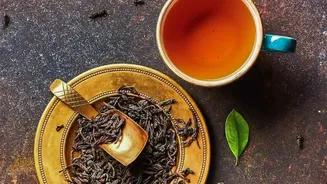
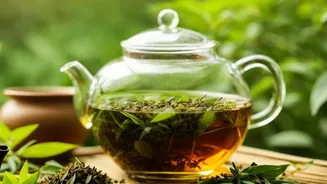
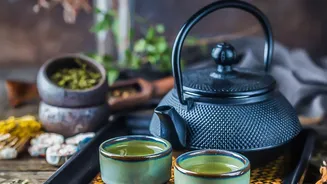
All true tea comes from the Camellia sinensis plant, with the main differences arising from how the leaves are processed. To build a balanced tasting menu, start by understanding the six basic categories. White tea is the most delicate and least processed, offering subtle, sweet notes. Green tea is unoxidised, known for its fresh, grassy, or vegetal flavors. Oolong tea is partially oxidised, creating a wide spectrum of flavors from light and floral to dark and roasted. Black tea is fully oxidised, resulting in bold, malty, and robust flavors. Pu-erh is a fermented tea with deep, earthy notes. Finally, herbal tisanes, while not technically 'teas', are essential. These caffeine-free infusions of herbs, flowers, and fruits, like chamomile, peppermint, or rooibos, are a must-have for any group.
Curate by Flavor Profile and Caffeine
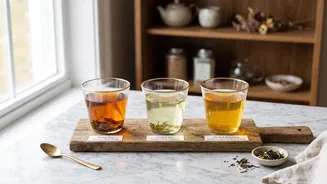
Once you know the main types, think in terms of flavor. A good tasting menu offers a journey through different taste sensations. Aim to include something light and floral (like a white or jasmine tea), something fresh and grassy (a Japanese sencha), something rich and malty (an Assam black tea), and something soothing and caffeine-free (like chamomile or mint). Caffeine is another critical consideration. Many guests may avoid caffeine, especially in the afternoon or evening. Always include at least one appealing caffeine-free herbal or fruit tea. Labeling each pot with the tea's name and whether it contains caffeine is a simple touch that puts guests at ease.
The Art of Tasting Order
The sequence in which you serve the teas significantly impacts the experience. Just as you wouldn't serve a heavy red wine before a light white, you should progress from the most delicate teas to the boldest. Starting with a strong, overpowering tea can numb the palate to the subtleties of the brews that follow. A recommended order is to begin with the lightest teas, like white and green. From there, move into the more complex oolongs, followed by the robust black and earthy pu-erh teas. Keep the herbal tisanes separate or serve them at the end, as their distinct flavors don't always fit neatly into the light-to-bold progression.
Simple Snacks to Cleanse the Palate
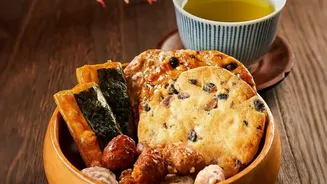
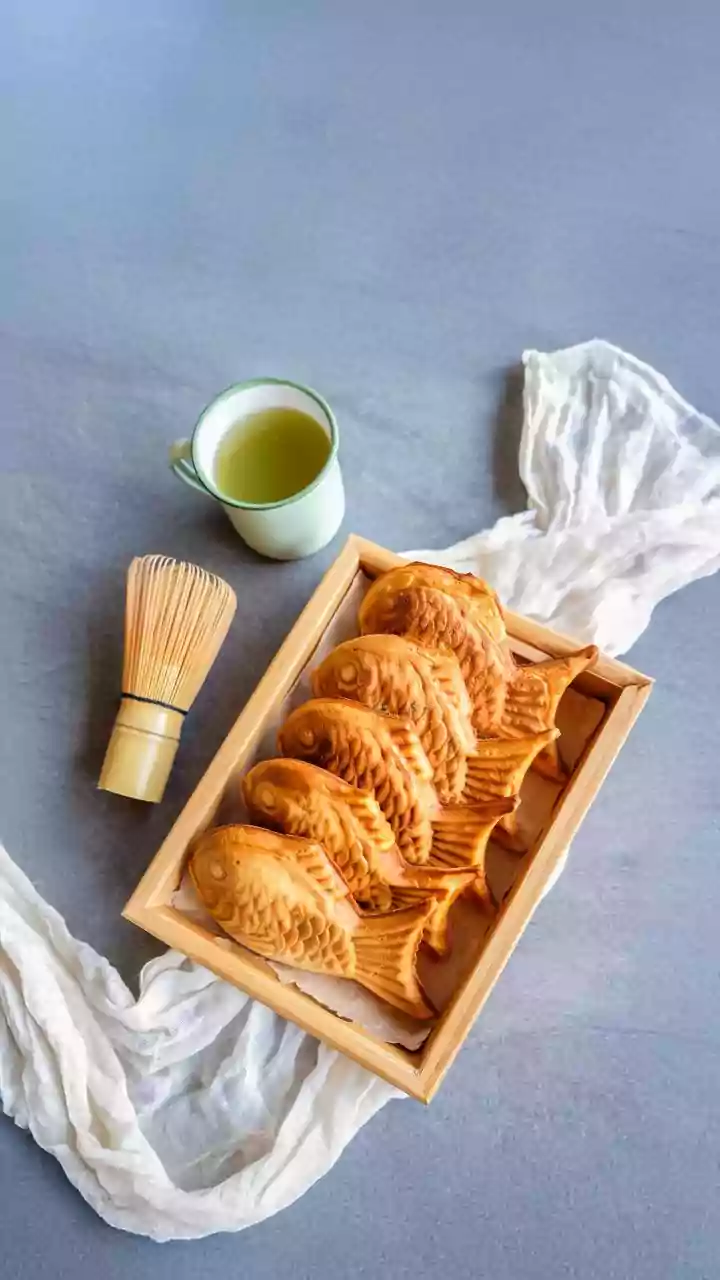
While the tea is the star of the show, simple snacks can enhance the tasting. The key is to choose foods that cleanse the palate rather than overwhelm it. Avoid anything with strong, lingering flavors. Plain crackers, simple shortbread cookies, or even cucumber sandwiches are excellent choices. These neutral bites give guests something to nibble on and help reset their taste buds between different teas, allowing them to appreciate the unique character of each infusion. You can also offer small slices of fresh fruit. If you do want to create specific pairings, match lighter teas with lighter foods and bolder teas with richer ones.